Sun Belt Housing Growth Slows as New Supply Curbs Prices and Rents

Why It Matters
The slowdown in Sun Belt housing markets matters because the region has been a primary engine of U.S. population growth and economic dynamism for the past decade. A shift from rapid price appreciation to a more balanced market could dampen the migration pull that fuels labor‑force expansion, affecting everything from tech talent pipelines in Austin to tourism‑driven economies in Phoenix. Moreover, the affordability squeeze—where renters negotiate lower rents but still face higher overall costs of living—highlights a growing disconnect between income growth and housing costs, a dynamic that can exacerbate socioeconomic inequality. For policymakers, the trend signals a need to reassess zoning, infrastructure investment, and affordable‑housing incentives. If supply continues to outstrip demand, municipalities may face reduced property‑tax revenues, while developers could see tighter financing conditions. Conversely, a re‑tightening of supply could reignite affordability challenges, prompting renewed calls for rent‑control measures and public‑housing initiatives. The Sun Belt's housing trajectory will therefore shape both the economic outlook for millions of Americans and the policy agenda at local, state, and federal levels.
Key Takeaways
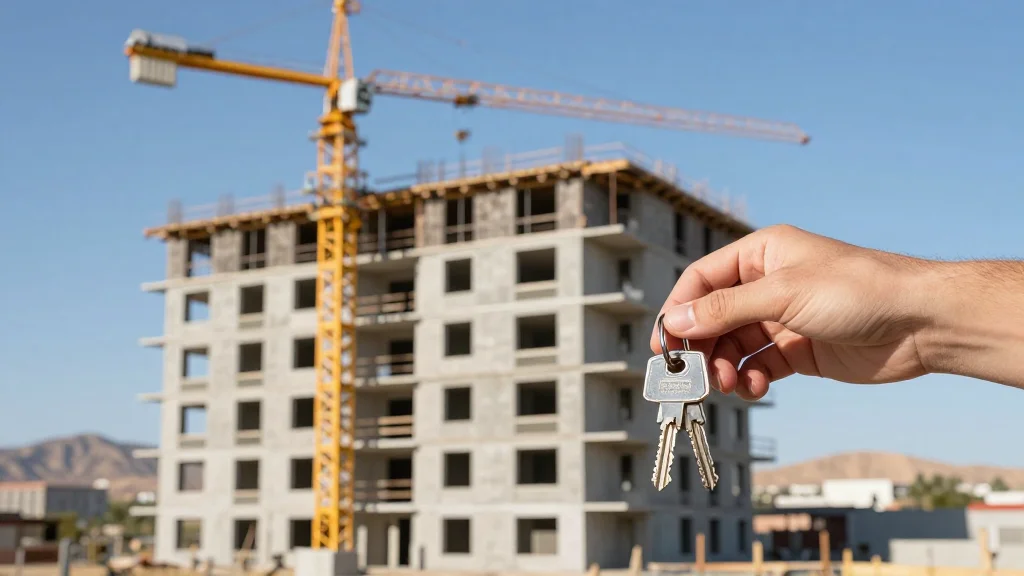
- •More than 971,000 apartment units were under construction at the end of 2022, flooding Sun Belt markets with new supply.
- •Renters like Marco Bario secured a $275 monthly rent cut, illustrating growing tenant leverage.
- •Caitlin Sugrue Walter of NMHC called the current environment "a renter's market."
- •Home‑price appreciation in Austin, Phoenix and Denver is decelerating as inventory rises.
- •Developers expect fewer new units in 2027, which could reverse the slowdown if demand holds.
Pulse Analysis
The Sun Belt's housing slowdown is a textbook case of the supply‑demand pendulum resetting after years of overshoot. The region's meteoric growth was fueled by a perfect storm: low‑interest rates, remote‑work flexibility, and a perception of cheaper land. Developers responded with aggressive pipelines, often financing projects on the assumption that demand would remain inelastic. As the pipeline matures, the market is now absorbing the excess, forcing landlords to compete on price rather than amenities. This dynamic mirrors past cycles in other high‑growth metros, such as the post‑dot‑com bust in Seattle, where a sudden influx of office space led to a prolonged vacancy period and a recalibration of rent expectations.
Looking ahead, the key variable will be the pace of new construction versus the elasticity of migration. If remote‑work trends continue to disperse talent across a broader set of cities, the Sun Belt could retain its appeal despite higher rents, keeping price growth modest but steady. However, if corporate return‑to‑office mandates concentrate jobs back in traditional hubs, the Sun Belt may see a more pronounced correction, with developers facing higher financing costs and potential write‑downs. Policymakers can influence the outcome by streamlining permitting for affordable units and incentivizing mixed‑use developments that blend higher‑density housing with transit‑oriented infrastructure, thereby preserving the region's growth engine while mitigating affordability strain.
In the short term, renters will likely enjoy modest concessions, but the broader market will hinge on whether the construction slowdown slated for 2027 can be timed to match a still‑robust, albeit more measured, influx of new residents. The balance struck will determine whether the Sun Belt remains the poster child of American mobility or transitions into a cautionary tale of overbuilding.
Sun Belt housing growth slows as new supply curbs prices and rents
Comments
Want to join the conversation?
Loading comments...