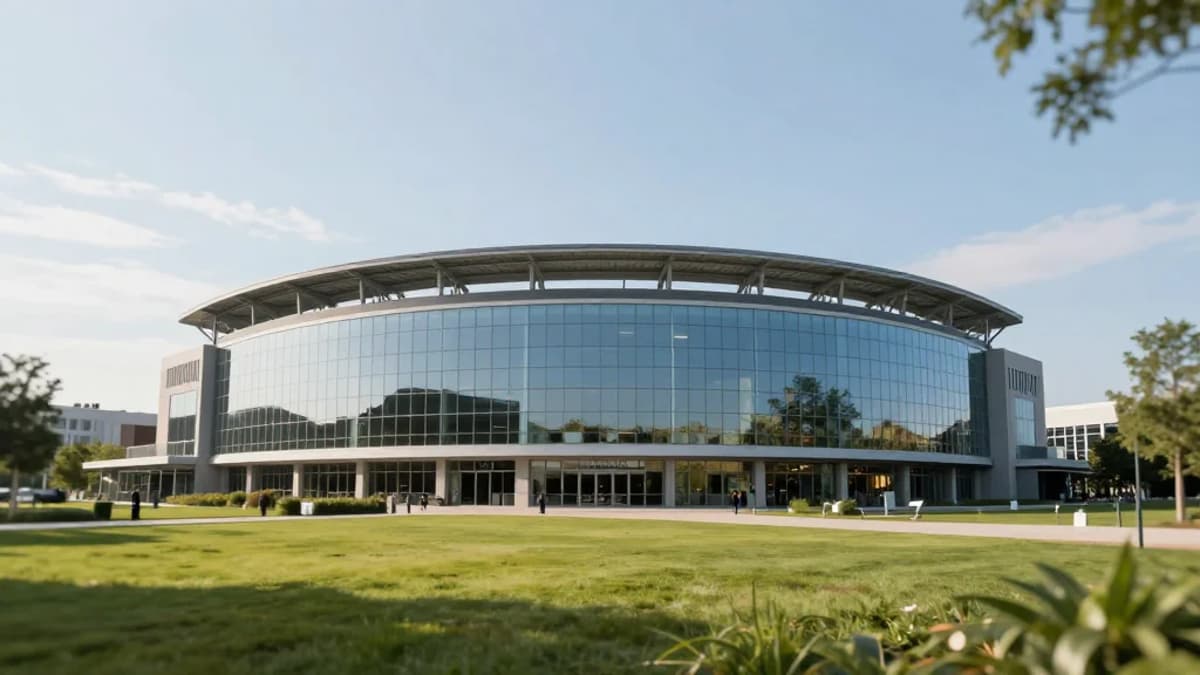
Tampa Bay Rays Unveil Designs, Plans for $2.3B Ballpark
•March 9, 2026
0
Why It Matters
The stadium could reshape Tampa’s urban core, driving economic activity and job growth while securing the Rays’ long‑term home. Its financing model and scale also set a benchmark for future sports‑venue developments.
Key Takeaways
- •$2.3 billion stadium planned on 130‑acre Westshore site.
- •Rays will fund half; county and city cover remainder.
- •Mixed‑use district promises 39,000 construction jobs.
- •Project hinges on state land transfer deadline within five years.
- •Public concerns focus on traffic, tax burden, and financing.
Pulse Analysis
The Rays’ latest proposal marks a dramatic shift from the stalled St. Petersburg Gas Plant scheme toward a downtown‑adjacent megaproject that mirrors a growing national trend of integrating sports venues with mixed‑use districts. By situating the 31,000‑seat ballpark on the former Hillsborough College Dale Mabry campus, the team positions itself next to Raymond James Stadium and Steinbrenner Field, creating a concentrated sports corridor in Tampa’s Westshore District. Architects Gensler and Populous were tapped to deliver a modern, fan‑centric design that emphasizes walkability, open spaces, and year‑round retail activation.
Financially, the $2.3 billion development is split evenly between the Rays and local government, a structure that spreads risk but also raises questions about taxpayer exposure. RCLCO’s estimate of more than 39,000 construction jobs dwarfs the roughly 10,000 jobs generated by the Buffalo Bills’ recent stadium, underscoring the project's broader economic ambition. Beyond the ballpark, the mixed‑use component envisions hotels, offices, and public parks that could generate sustained revenue streams, diversify Tampa’s tax base, and stimulate ancillary businesses ranging from hospitality to technology startups.
Despite its promise, the venture confronts significant headwinds. Community groups and the Tampa Sports Authority have voiced concerns about traffic congestion, the $2.3 billion price tag, and the lack of direct tax contributions from the Rays. Moreover, the project’s viability hinges on a 2025 state land transfer that includes a five‑year usage clause, creating a tight regulatory timeline. Comparisons to other MLB stadium projects highlight the delicate balance between public investment and private benefit, making the Rays’ Westshore plan a litmus test for future stadium financing models.
Tampa Bay Rays unveil designs, plans for $2.3B ballpark
0
Comments
Want to join the conversation?
Loading comments...