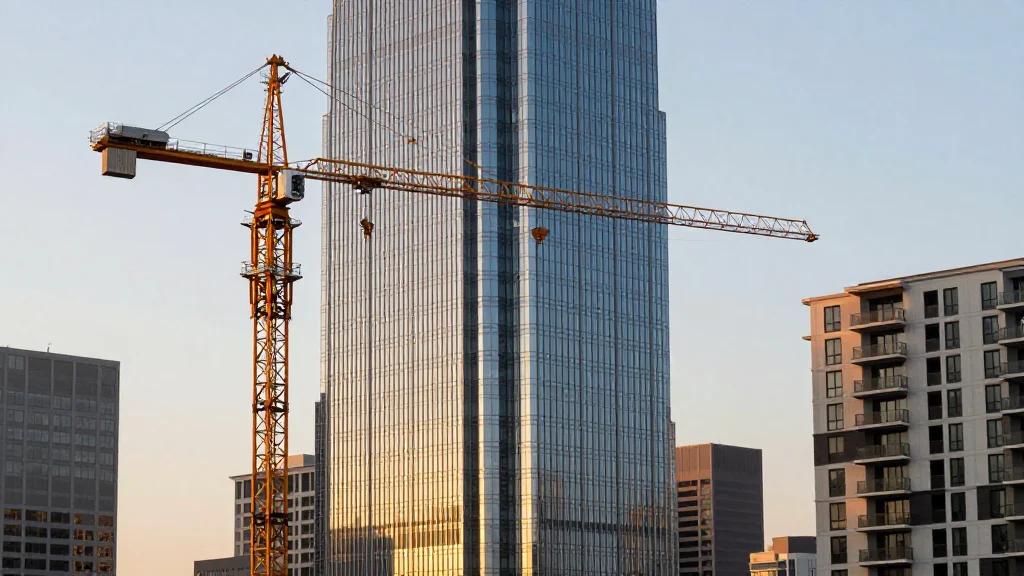
Texas Stock Exchange Launch to Drive Dallas Real‑Estate Surge

Companies Mentioned
Why It Matters
The TXSE launch could fundamentally alter the geography of American finance, shifting capital‑raising activity from traditional coastal hubs to the Sun Belt. For real‑estate developers, the prospect of a concentrated influx of high‑earning finance workers means higher rents, faster lease turnovers, and a premium on office space near the new exchange. Municipal leaders also stand to gain from increased tax revenues and job creation, but they must balance growth with infrastructure upgrades and affordable‑housing pressures. Moreover, the legislative reforms embedded in SB 29 signal a broader trend of states competing for corporate domicile by reshaping legal and regulatory environments. If successful, Texas could set a template that other jurisdictions emulate, potentially redefining where future corporate headquarters—and the associated real‑estate ecosystems—will locate.
Key Takeaways
- •TXSE raised $275 million from major Wall Street firms and will begin trading in July.
- •Governor Greg Abbott called Texas the new “center of gravity for American capitalism.”
- •SB 29 reforms aim to make Texas a more attractive legal domicile, prompting Exxon Mobil’s move.
- •Analysts project a 7‑10% rise in Dallas office and multifamily absorption within a year of launch.
- •Competing exchanges (NYSE Texas, Nasdaq Texas) have already opened dual‑listing platforms in Dallas.
Pulse Analysis
The Texas Stock Exchange represents a strategic gamble by both the state and private investors to rewire the United States’ financial infrastructure. Historically, New York and Delaware have monopolized listings and corporate law, creating a self‑reinforcing ecosystem of legal expertise, capital markets, and real‑estate development. TXSE’s $275 million war chest, combined with a suite of legislative incentives, attempts to break that cycle by lowering entry barriers for mid‑size and regional firms. If the exchange can secure a critical mass of listings—particularly in high‑growth sectors like technology, energy and biotech—Dallas could experience a virtuous cycle: more companies attract talent, talent drives housing demand, and housing demand fuels construction, which in turn creates construction‑related jobs and further economic diversification.
However, the success of this model hinges on several variables. First, the exchange must prove its cost‑advantage and regulatory efficiency to issuers accustomed to the deep liquidity and global reach of NYSE and Nasdaq. Second, the city’s infrastructure—transportation, schools, and utilities—must scale quickly enough to accommodate a sudden population surge without triggering congestion or affordability crises. Third, the broader market’s perception of Texas as a stable legal environment will be tested as other states may launch similar reforms, potentially diluting the competitive edge. Investors should monitor the composition of TXSE’s inaugural listings, the speed of corporate relocations, and early lease‑rate trends in Dallas’s office and multifamily markets to gauge whether the exchange can deliver on its promise of reshaping real‑estate demand.
In the longer view, TXSE could catalyze a decentralization of financial power in the United States, encouraging a more polycentric model of capital formation. This shift would not only redistribute real‑estate investment across new corridors but also diversify risk away from traditional coastal markets that are increasingly vulnerable to climate‑related disruptions. For developers and investors, the Texas experiment offers both a high‑reward opportunity and a cautionary tale about the limits of policy‑driven market creation.
Texas Stock Exchange Launch to Drive Dallas Real‑Estate Surge
Comments
Want to join the conversation?
Loading comments...