The Common Thread in Retail’s Top-Performing Projects
Companies Mentioned

Why It Matters
Anchors that generate consistent foot traffic and repeat visits protect retail assets from e‑commerce pressure and improve long‑term revenue stability. The model forces developers to adopt hospitality‑style operations, reshaping leasing strategies across the industry.
Key Takeaways
- •Experience‑led anchors replace department stores, driving repeat visits
- •Programming frequency becomes core metric for retail performance
- •Mixed‑use “mini‑campus” designs boost dwell time and traffic
- •Accurate visitor‑demand modeling essential for right‑sized space
- •Projects lacking regional draw or robust programming underperform
Pulse Analysis
The retail landscape is undergoing a structural shift as department‑store closures accelerate, especially in the West where the number of locations fell over 40 percent in the past decade. Tenants now gravitate toward environments that embed activity—sports practice facilities, entertainment venues, and community hubs—directly into the property’s DNA. This evolution is not merely a post‑pandemic reaction; it reflects a measurable change in consumer behavior where frequency, dwell time, and spend conversion are driven by programmed experiences rather than passive shopping trips.
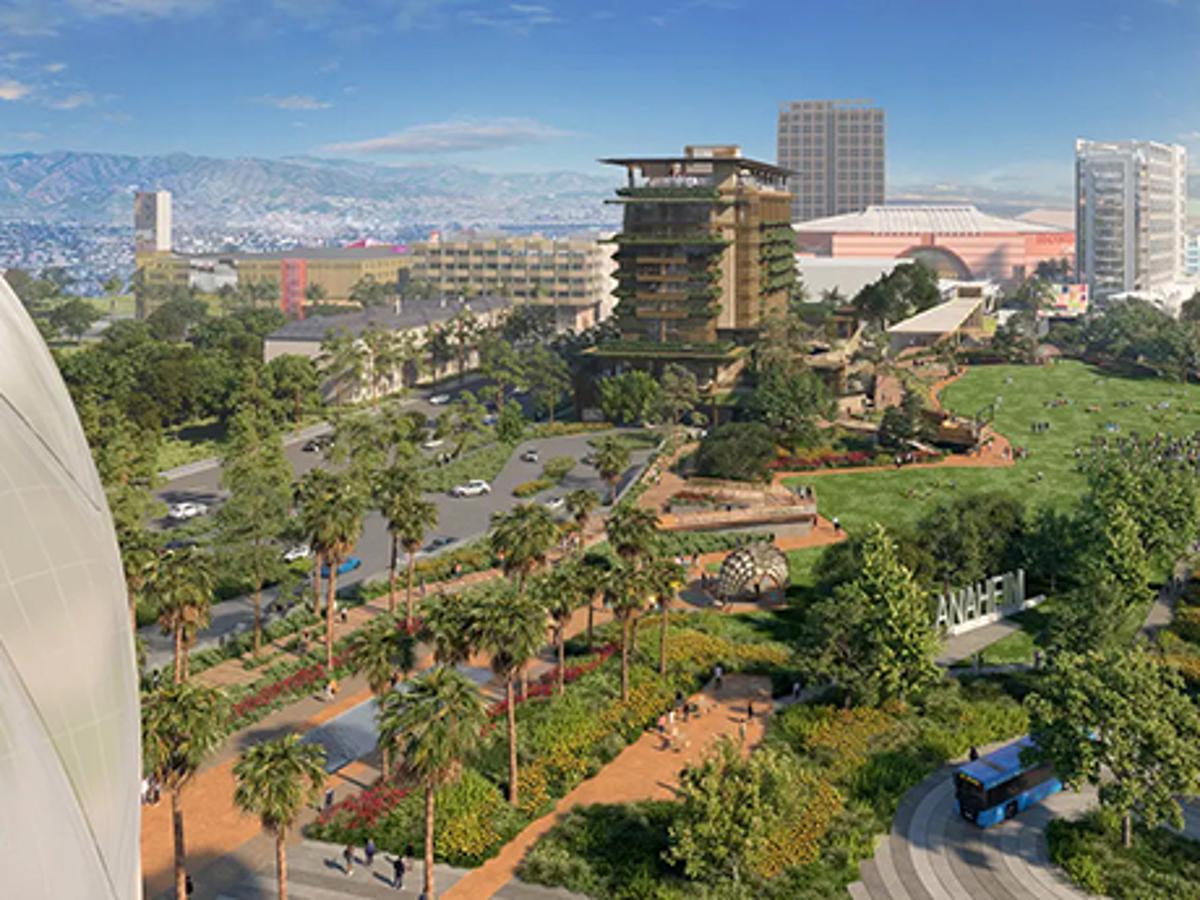
For developers, the new paradigm demands a hospitality‑style operating model. Successful projects treat the anchor as a business partner, investing in year‑round programming, league play, and events that generate predictable foot traffic. Sophisticated visitor‑demand modeling quantifies regional draw and converts it into realistic retail square footage, while public‑private partnerships often bridge financing gaps for large‑scale mixed‑use districts like the $4 billion OCVIBE entertainment hub in Anaheim. Aligning tenant mixes with activity‑driven traffic—such as eat‑ertainment concepts, fitness studios, and lifestyle services—creates spillover revenue for adjacent shops and food‑and‑beverage operators.
Designers and landlords must now think of centers as “mini‑campuses” or modern town squares, where open‑air layouts, pedestrian‑friendly streetscapes, and flexible gathering spaces support continuous activation. Programming becomes infrastructure: farmers markets, wellness classes, and cultural festivals turn occasional visits into habitual engagement. Projects that misread regional demand or rely on single, under‑programmed anchors quickly falter, while those that integrate residential, office, and hospitality components enjoy diversified traffic and reduced leasing risk. As the Western market matures, activity‑centric retail will be the decisive factor separating resilient assets from those left behind.
The Common Thread in Retail’s Top-Performing Projects
Comments
Want to join the conversation?
Loading comments...