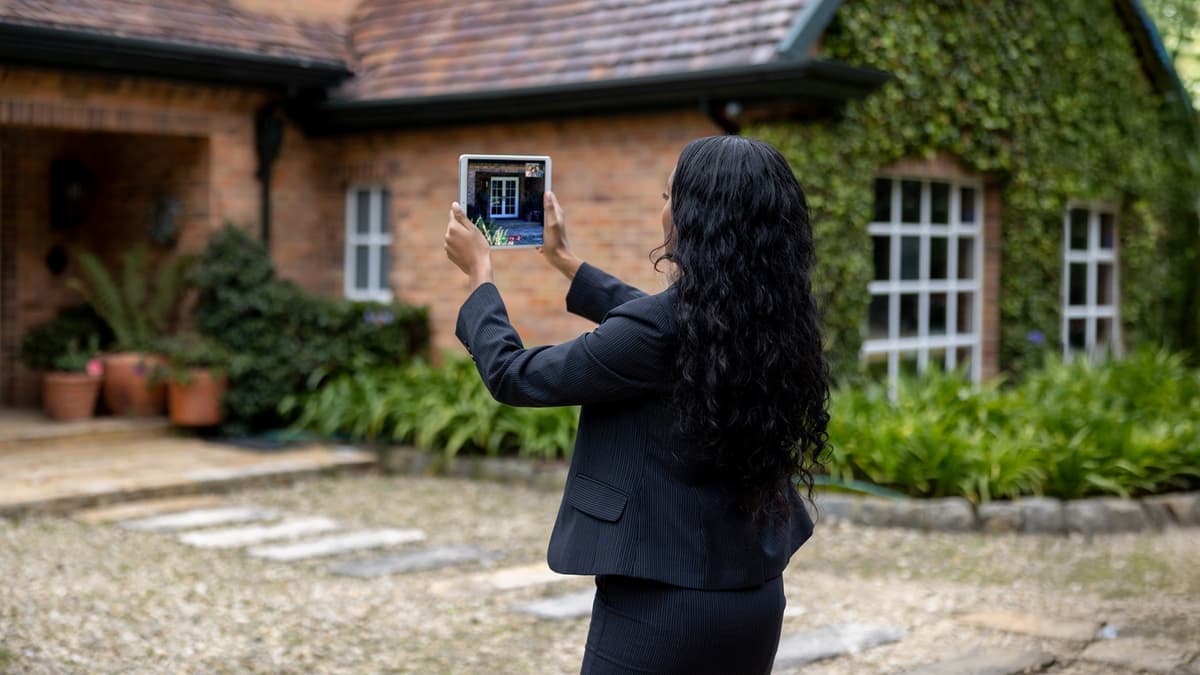
The Digital Walkthrough: What To Look Out for During a Video Inspection
Why It Matters
Remote home buying expands market reach but also raises the risk of undisclosed issues; thorough video inspections protect buyers and maintain trust in digital transactions.
Key Takeaways
- •5‑7% of buyers now purchase homes solely via virtual tours
- •Video walkthroughs are showing, not replacing, licensed home inspections
- •Request lights on, water flow, and full‑home view during live tours
- •Listen for HVAC, sump pump sounds; ask about odors and moisture
- •Schedule a second walkthrough at a different time to gauge neighborhood
Pulse Analysis
The pandemic accelerated a digital transformation that was already underway in real estate. High‑definition cameras, 360‑degree lenses, and stable streaming platforms now let buyers tour properties from a kitchen table, shrinking geographic barriers and enabling relocators to act quickly. While only a modest slice of the market—roughly one in fifteen buyers—relies exclusively on virtual tours, that segment is growing as millennials and Gen Z prioritize convenience and speed over traditional in‑person showings. Agents who master live video walkthroughs can capture a broader audience and shorten sales cycles, but they must also set realistic expectations about what a video can reveal.
A video walkthrough is fundamentally a marketing tool, not a diagnostic one. Without the tactile feedback of a physical inspection, buyers miss cues like subtle odors, ambient noises, or the feel of structural elements. Experts recommend a proactive approach: ask the on‑camera agent to flip on every light, run faucets, open cabinets, and operate HVAC systems while you listen for abnormal sounds. These actions expose plumbing age, potential water intrusion, and mechanical wear that might otherwise be hidden behind staged décor. Importantly, a virtual tour should serve as a triage step, prompting a professional, licensed inspection before any contract is signed.
For the industry, the rise of video walkthroughs signals a permanent shift toward hybrid buying experiences. Real‑estate platforms are integrating AI‑driven analytics that flag visual anomalies, while brokers are training agents to conduct thorough, checklist‑driven tours. Buyers benefit from greater transparency when they demand multiple viewings at different times of day, ensuring they capture variations in traffic, lighting, and neighborhood activity. As technology continues to evolve, the most successful players will blend high‑quality virtual content with clear guidance on when to transition to on‑site inspections, preserving buyer confidence while capitalizing on the efficiency of digital showings.
The Digital Walkthrough: What To Look Out for During a Video Inspection
Comments
Want to join the conversation?
Loading comments...