Why It Matters
The resurgence of garden‑style housing offers a scalable, community‑oriented alternative to high‑rise construction, directly addressing the nation’s shortage of affordable, livable units. Policymakers and developers can leverage its proven density and social cohesion to meet modern housing demand without sacrificing neighborhood character.
Key Takeaways
- •Garden apartments once provided 3.5 million units nationwide.
- •Federal aid in 1930s spurred massive garden‑apartment construction.
- •Post‑war boom created 400,000 units; many now deteriorated.
- •Early designs fostered strong community and child‑friendly spaces.
- •“Neo‑garden” projects revive low‑rise, green‑focused housing.
Pulse Analysis
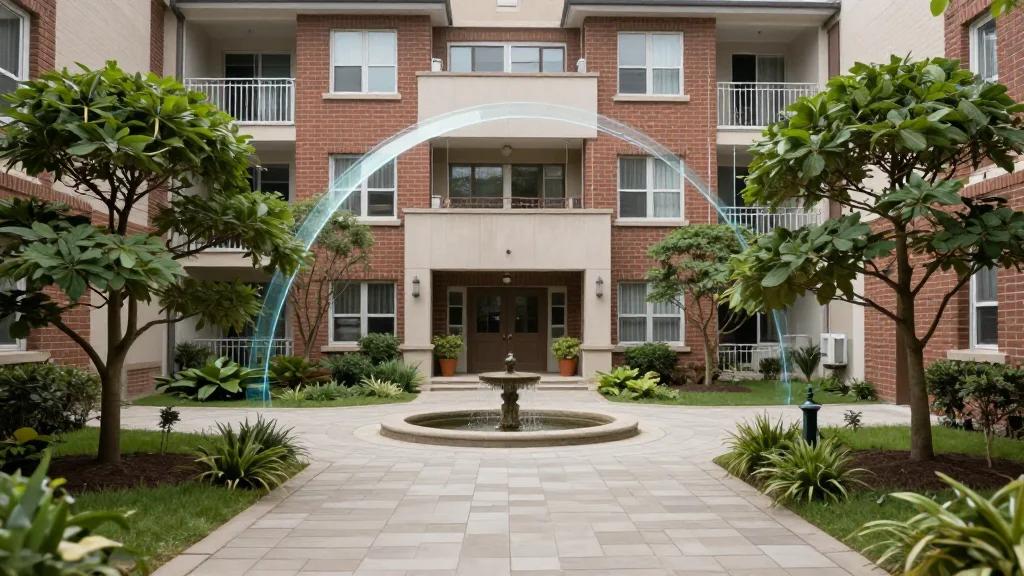
The garden‑apartment concept emerged in the early 20th century as a pragmatic interpretation of Ebenezer Howard’s garden‑city vision. Reformers and architects such as Frank Lloyd Wright promoted low‑rise blocks arranged around landscaped courtyards, promising healthier living for working‑class families. Federal Housing Administration mortgage insurance in the 1930s turned this ideal into a construction wave, ultimately delivering up to 3.5 million units across the United States, with a peak of 400,000 built by 1950. These developments combined modest density with shared green space, creating neighborhoods that felt both suburban and urban.
The post‑war era, however, exposed the model’s vulnerabilities. As utility costs rose and federal subsidies receded, owners deferred maintenance, stripping away playgrounds and communal amenities. FHA guidelines began to deem interior public spaces unproductive, encouraging developers to minimize shared areas. The resulting neglect fostered a stigma: garden apartments became associated with poverty and minority enclaves, eroding the sense of community that had once defined them. This decline illustrates how policy shifts can transform well‑intended design into perceived blight.
Today, a new generation of planners is revisiting the garden‑apartment formula under the banner of “neo‑garden” housing. By re‑introducing low‑rise layouts, generous landscaping, and multiple entry points, these projects aim to blend affordability with quality of life. The approach aligns with New Urbanist principles and offers a middle ground between high‑rise towers and single‑family zoning, potentially easing the housing crunch in dense metros. If municipalities pair these designs with targeted subsidies and preservation incentives, garden‑style communities could once again become a cornerstone of inclusive, sustainable urban growth.
The Everyday Housing We Manage to Ignore
Comments
Want to join the conversation?
Loading comments...