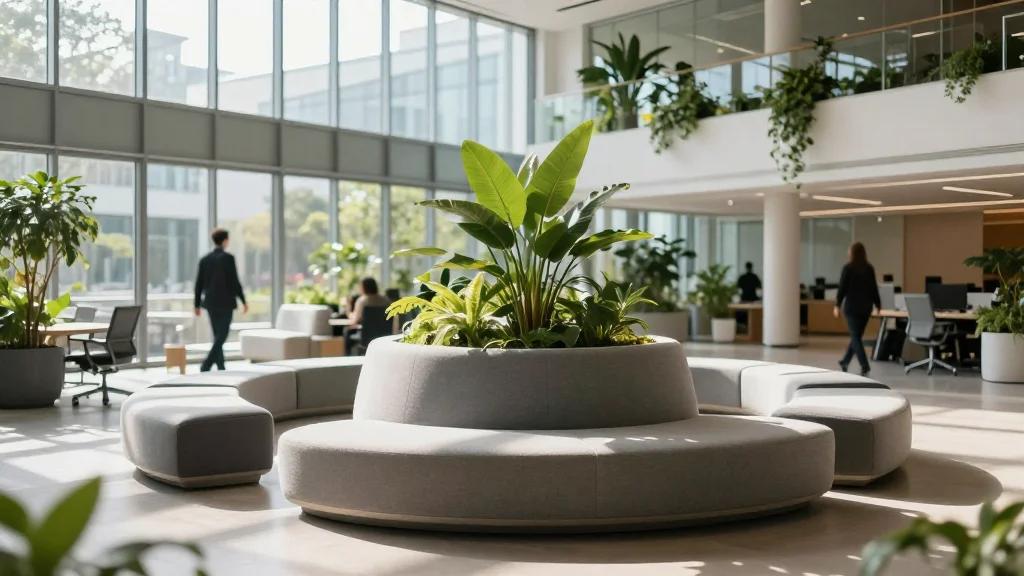
The Office Isn’t Dead, It Was Just Designed Wrong. 11 Experts Explain The Future Of Workplaces
Key Takeaways
- •Flexibility focuses on when, not where, work occurs
- •Physical offices boost cross‑team exploration and serendipity
- •Neurodiversity drives sensory zoning and varied workspaces
- •Biophilic design links daylight to higher cognition
- •Commute value must exceed travel cost for attendance
Pulse Analysis
The future of work is no longer a binary debate between remote and office; it is a nuanced transformation where the office becomes a purpose‑built hub for collaboration and culture. Demographic shifts, evolving social expectations, and the desire for flexible schedules are reshaping how organizations allocate space. Leaders who anchor core collaboration hours while allowing autonomous work periods can capture the productivity gains of both models, positioning the office as a catalyst rather than a constraint.
Design considerations now extend beyond aesthetics to health, inclusivity, and experience. Neurodiverse talent demands sensory‑zoned environments that support focus, collaboration, and recovery, while biophilic design—daylight, natural views, and greenery—has been proven to lift cognitive performance and morale. Treating the workplace as a hospitality venue, with curated arrival experiences and atmospheric control, further enhances engagement. Moreover, the concept of Return on Commute forces companies to justify physical presence by delivering mentorship, social capital, and innovative encounters that outweigh travel costs.
Strategically, the office is emerging as a knowledge marketplace where mentorship, cross‑disciplinary exchange, and rapid skill development thrive. By framing the workspace as an investment in human connection and talent development, firms can differentiate themselves in a competitive talent market. This shift repositions the office from a fixed cost to a strategic lever that fuels innovation, employee well‑being, and long‑term business resilience.
The Office Isn’t Dead, It Was Just Designed Wrong. 11 Experts Explain The Future Of Workplaces
Comments
Want to join the conversation?