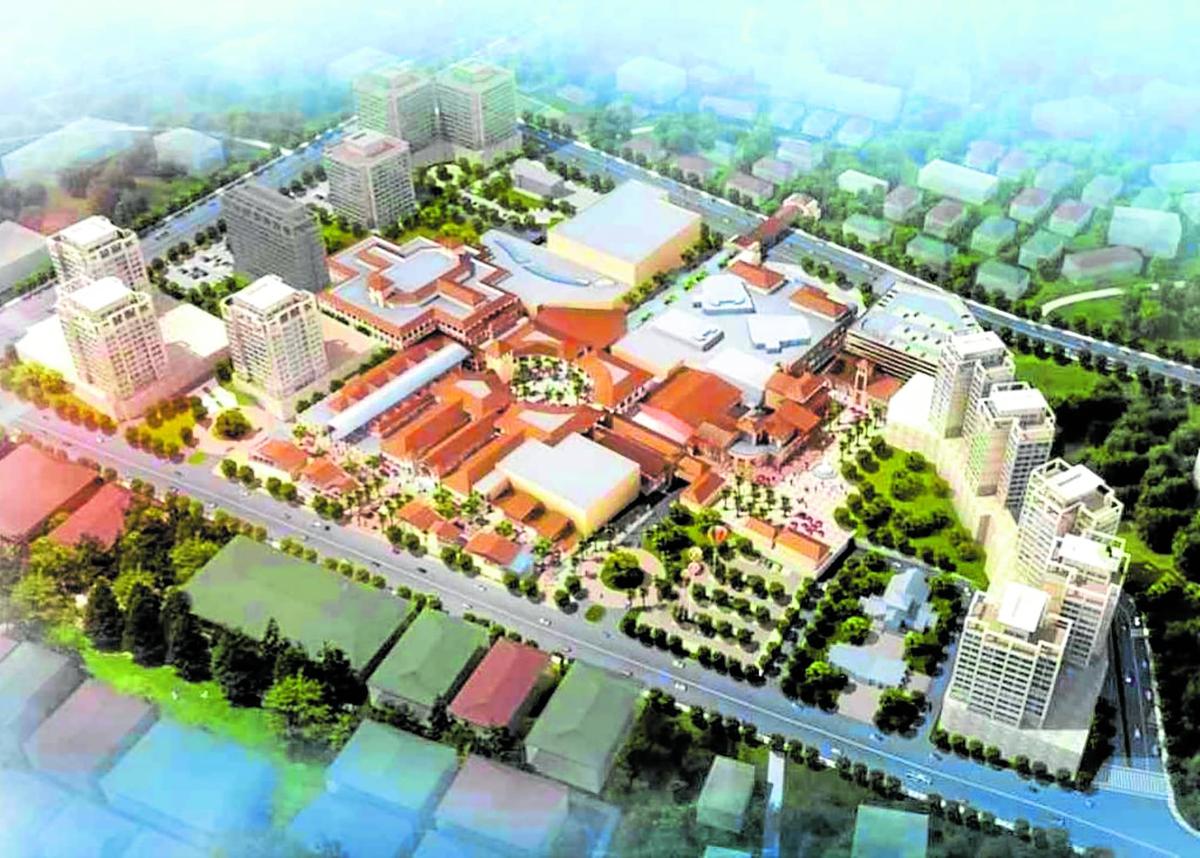
The South’s Growth Equation
Why It Matters
The shift of residential and industrial activity southward offers investors lower land costs, enhanced logistics, and sustained economic upside, reshaping the Philippines’ urban development landscape.
Key Takeaways
- •Over ₱1 trillion (~$18 B) invested in South Luzon infrastructure.
- •Laguna’s 2024 GDP hit ₱1.08 trillion (~$19.5 B), only trillion‑peso province.
- •New expressways (Calax, Skyway 3, C5 South Link) boost regional accessibility.
- •Cavite’s 116‑ha Economic Productivity Zone aims to become international gateway.
- •Lower land prices attract buyers, promising long‑term property appreciation.
Pulse Analysis
Infrastructure spending has been the catalyst behind the South’s rapid transformation. Over the past two decades, the Philippine government and private partners poured more than ₱1 trillion into highways, expressways, and ancillary projects, effectively shrinking travel times between Manila and emerging hubs in Cavite, Laguna and Batangas. This network effect not only eases commuter flows but also lifts land values, as investors anticipate higher returns on parcels previously considered peripheral. The resulting mobility gains have turned the once‑rural corridor into a viable alternative for both living and logistics.
Economic data underscores the corridor’s momentum. Laguna’s gross domestic product reached ₱1.08 trillion in 2024, cementing its status as the nation’s sole trillion‑peso province and reflecting robust contributions from manufacturing, BPO, and export‑oriented zones managed by PEZA. Meanwhile, Cavite is positioning itself as an international gateway, highlighted by the 116‑hectare Cavite Economic Productivity Zone and the development of Sangley Point International Airport. These initiatives attract multinational firms seeking cost‑effective sites with reliable utilities, skilled labor pools, and proximity to the capital’s consumer market.
For investors and developers, the South offers a compelling value proposition. Property prices remain markedly lower than those in central Metro Manila, yet the area benefits from strong end‑user demand and projected appreciation driven by continued infrastructure upgrades. The blend of affordable housing, industrial estates, and improved transport links creates a diversified risk profile, making the corridor attractive for both residential and commercial portfolios. As the government sustains its infrastructure agenda, the South is poised to become the next epicenter of Philippine urban and economic growth.
The South’s growth equation
Comments
Want to join the conversation?
Loading comments...