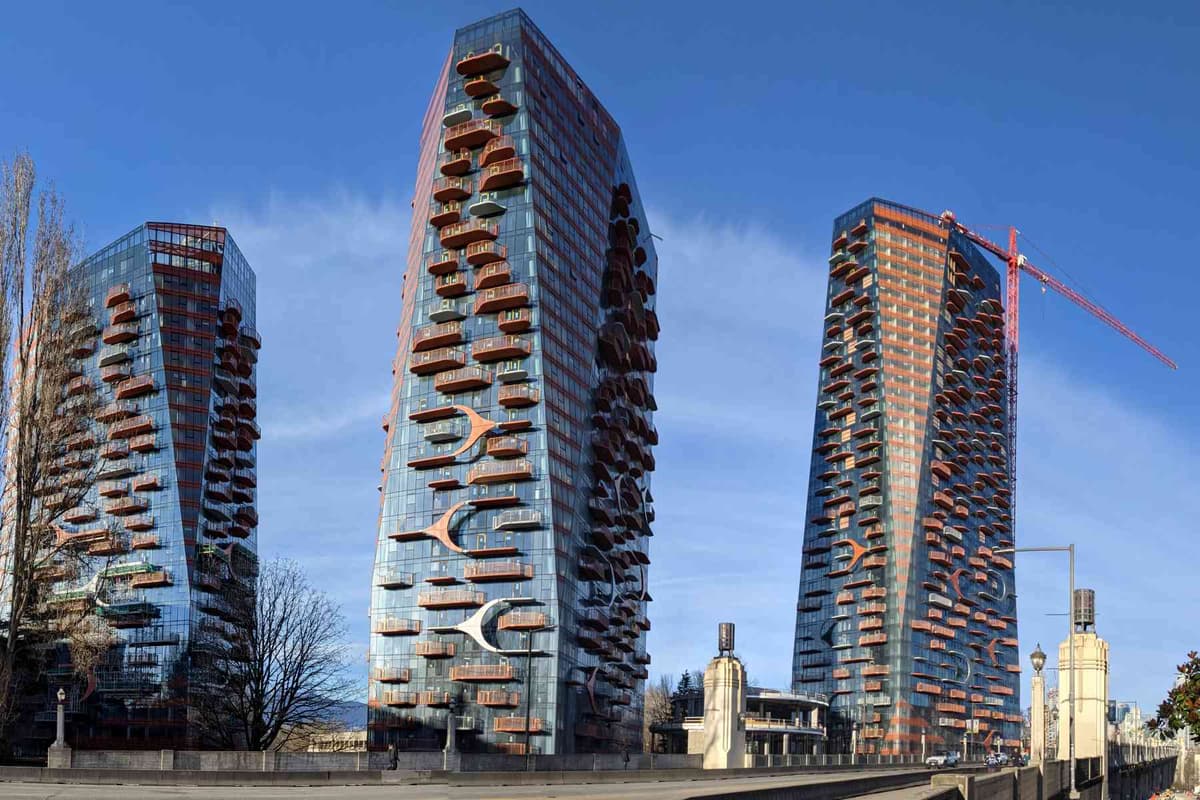
The Squamish Nation’s Impossibly Simple Solution to Vancouver’s Housing Crisis
Why It Matters
The project shows how Indigenous land rights can bypass restrictive zoning, offering a scalable model to alleviate housing shortages while advancing reconciliation.
Key Takeaways
- •Squamish won $92.5 million settlement and reclaimed 10.5 acres
- •Sen̓áḵw will add 6,000 rental units by 2033
- •$1.4 billion low‑interest loan funded the high‑rise project
- •Reserve land bypasses Vancouver zoning, allowing unprecedented density
- •Projected >$10 billion revenue will support future Squamish housing
Pulse Analysis
The Sen̓áḵw redevelopment is the culmination of a century‑long struggle for land restitution. After the Squamish Nation proved that the 1913 forced sale of their reserve violated Crown fiduciary duties, the Canadian government agreed to a $92.5 million settlement and returned the 10.5‑acre parcel. Legal teams had to translate oral histories into thousands of pages of documentary evidence, a process that ultimately forced the courts to recognize the nation’s title and set a precedent for other Indigenous land claims across Canada.
Financing the project required creative solutions because reserve land cannot be used as traditional collateral. A federal low‑interest loan of $1.4 billion, combined with a services agreement that links the development to Vancouver’s utilities, enabled the construction of eleven towers without the usual municipal approvals. The exemption from city zoning rules allows a floor‑area ratio far beyond what is permitted in surrounding neighborhoods, delivering 6,000 rental units—roughly the city’s annual housing output—in a single, compact site. The development also prioritizes Indigenous employment, with half of the construction workforce identifying as Indigenous and 15 percent belonging to the Squamish Nation.
Beyond the immediate supply boost, Sen̓áḵw offers a template for rethinking urban housing policy. By separating land ownership from municipal zoning constraints, cities could unlock dormant parcels for high‑density, affordable construction, reducing the rent‑seeking behavior that inflates property values. While the reserve’s unique legal status cannot be replicated citywide, the broader lesson is clear: loosening zoning restrictions and streamlining approvals can dramatically increase housing stock. For Vancouver and other high‑cost markets, adopting elements of this approach—such as up‑zoning single‑family areas and creating public‑private financing mechanisms—could help address chronic affordability gaps while supporting reconciliation with Indigenous peoples.
The Squamish Nation’s Impossibly Simple Solution to Vancouver’s Housing Crisis
Comments
Want to join the conversation?
Loading comments...