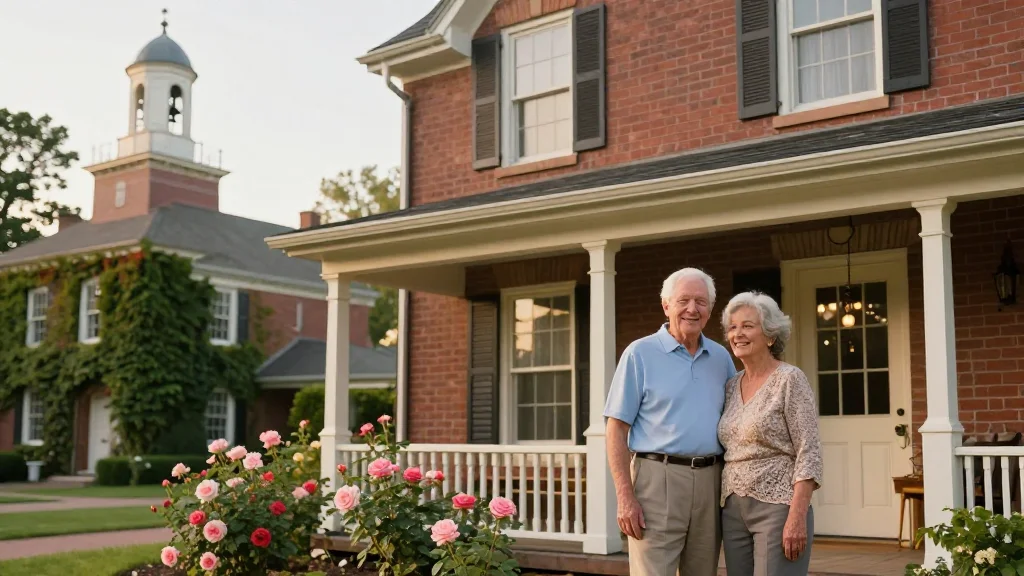
There Are Years-Long Waiting Lists to Retire on College Campuses. 6 Steps to Take Before Enrolling.
Why It Matters
The model creates a win‑win: retirees gain vibrant, lifelong learning environments, while financially strained universities tap a growing market to diversify income. It signals a broader shift toward multigenerational campus ecosystems.
Key Takeaways
- •Over 80 university retirement communities exist, many with years‑long waitlists.
- •Entry fees range $100K‑$1M; monthly fees $5K‑$12K cover amenities.
- •Residents receive free campus tickets, classes, and lifelong student IDs.
- •Colleges tap retirees to offset 3 million lost undergraduate enrollments.
- •Some communities mandate 450 learning hours per year for residents.
Pulse Analysis
The surge in university‑based senior housing reflects two converging macro trends: an aging baby‑boom cohort seeking active, socially rich environments, and higher‑education institutions grappling with a 3 million‑student enrollment shortfall over the past decade. By converting underutilized dormitories and campus land into Continuing‑Care Retirement Communities (CCRCs), schools generate a steady, tuition‑free revenue stream that helps balance budgets while repurposing existing assets. Developers typically charge a substantial entry fee—often $100,000 to $1 million—plus monthly service fees that bundle housing, dining, utilities and access to campus facilities, effectively turning a traditional condo HOA model into an all‑inclusive senior‑living package.
For retirees, the appeal extends beyond financial convenience. Programs like Arizona State’s Mirabella and Lasell Village embed residents in the academic fabric, granting free tickets to sporting events, unlimited class enrollment and a student ID that confers full campus membership. Mandatory learning hours, such as Lasell’s 450‑hour annual requirement, encourage continuous intellectual engagement and foster intergenerational dialogue. Residents report identity shifts, feeling less like isolated seniors and more like active contributors to a vibrant university community, which research links to improved mental health and longevity.
However, high upfront costs remain a barrier for many older adults, prompting calls for more affordable models and sliding‑scale pricing, as advocated by Bennington College’s upcoming project. Prospective buyers must scrutinize refund policies, included services, and developer financial health to avoid future pitfalls. As the sector matures, scalable, lower‑cost alternatives could unlock broader market participation, positioning university retirement communities as a cornerstone of both senior‑living innovation and higher‑education financial resilience.
There are years-long waiting lists to retire on college campuses. 6 steps to take before enrolling.
Comments
Want to join the conversation?
Loading comments...