Thinking of Refinancing? These 5 States Have the Highest Closing Costs in the U.S.
Why It Matters
Higher state closing costs can erode the savings from lower interest rates, influencing borrowers' refinance decisions and lenders' market strategies. Understanding regional cost differentials helps consumers budget accurately and policymakers assess fee structures.
Key Takeaways
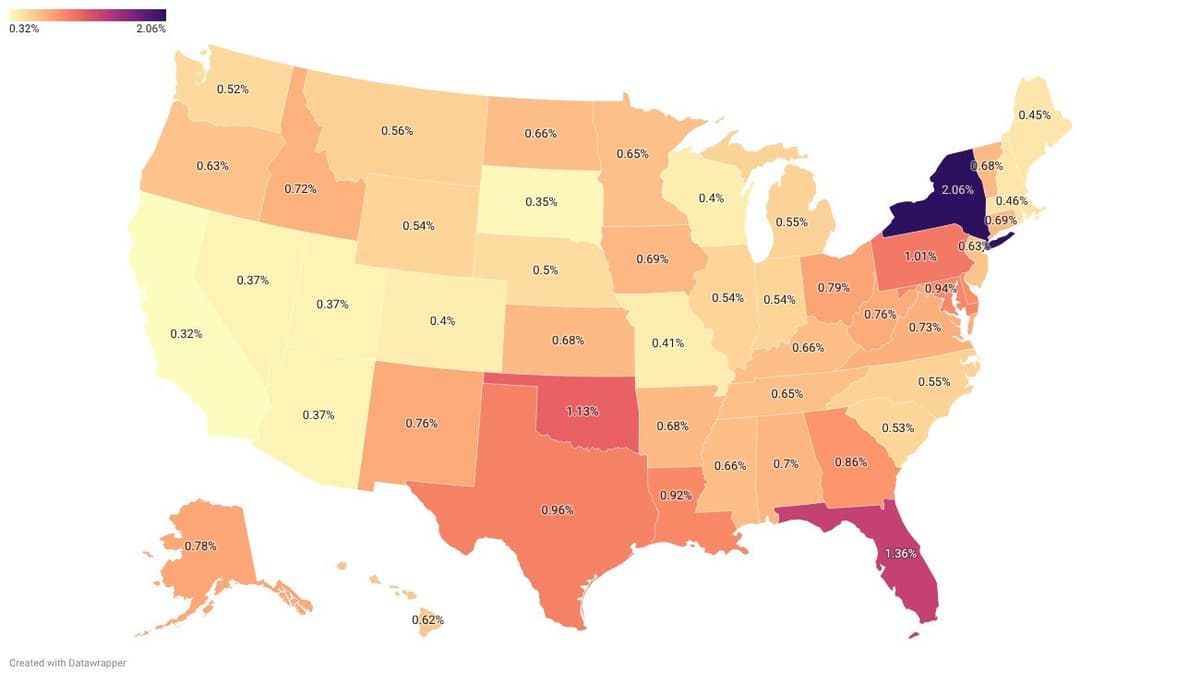
- •New York's refinance closing costs average $10,553, 2.06% of loan.
- •Florida ranks second with $5,250 average costs, 1.36% of loan.
- •Maryland third with $3,674 average, 0.94% of loan amount.
- •Texas and Hawaii round out top five, each under 1% of loan.
- •Missouri offers lowest costs at $1,047, encouraging refinances.
Pulse Analysis
Refinancing remains a popular tool for homeowners seeking lower rates or cash‑out options, yet the hidden expense of closing fees often surprises borrowers. LodeStar’s analysis of over 200,000 refinance quotes in 2025 shows a national average cost of $2,207, roughly two‑thirds of one percent of the loan balance. While that figure appears modest, state‑level variations can shift the economics dramatically, turning a seemingly attractive rate reduction into a marginal net gain once fees are accounted for.
The highest cost states—New York, Florida, and Maryland—share common fee drivers such as elevated mortgage recording taxes, attorney fees, and title insurance premiums. New York’s 2.06% cost ratio reflects its complex tax environment and higher property values, which amplify absolute fees. In Florida, the blend of county‑level recording charges and state mortgage taxes pushes the average to $5,250. Lenders and brokers in these markets must factor these expenses into rate‑shop scenarios, and borrowers may need to negotiate fee waivers or consider cash‑out structures that offset the outlay.
Conversely, states like Missouri, Wisconsin, and Indiana demonstrate how lower fee regimes can spur refinancing activity. Missouri’s $1,047 average—well under one percent of loan size—encourages borrowers to roll costs into the new loan, effectively achieving a zero‑out‑of‑pocket refinance. This affordability can increase loan turnover, benefiting both lenders and local economies. For consumers, the key takeaway is to compare not only interest rates but also state‑specific closing cost benchmarks, ensuring the total cost of refinancing aligns with their financial goals.
Thinking of Refinancing? These 5 States Have the Highest Closing Costs in the U.S.
Comments
Want to join the conversation?
Loading comments...