This Once-Luxury Inspection Add-On Can Now Save Average Homeowners From Costly Post-Sale Surprises
Why It Matters
The added insight protects buyers from costly hidden defects and improves negotiation leverage, while enabling contractors to target repairs precisely, saving time and money.
Key Takeaways
- •Thermal imaging now common in standard home inspections.
- •Detects hidden moisture, insulation gaps, electrical hot spots, HVAC leaks, pests.
- •Adds $200‑$400 cost, often saves tens of thousands in repairs.
- •Requires certified inspector to interpret infrared data accurately.
- •Improves remediation precision, reducing demolition and labor expenses.
Pulse Analysis
The home‑inspection industry is undergoing a data‑driven transformation as buyers demand more than a visual checklist. Traditional eyeball inspections leave a blind spot for issues hidden behind walls or under flooring, but the proliferation of affordable infrared cameras is narrowing that gap. Real‑estate platforms report a surge in consumer inquiries about thermal scans, reflecting heightened risk awareness and the willingness to pay a modest premium for deeper insight.
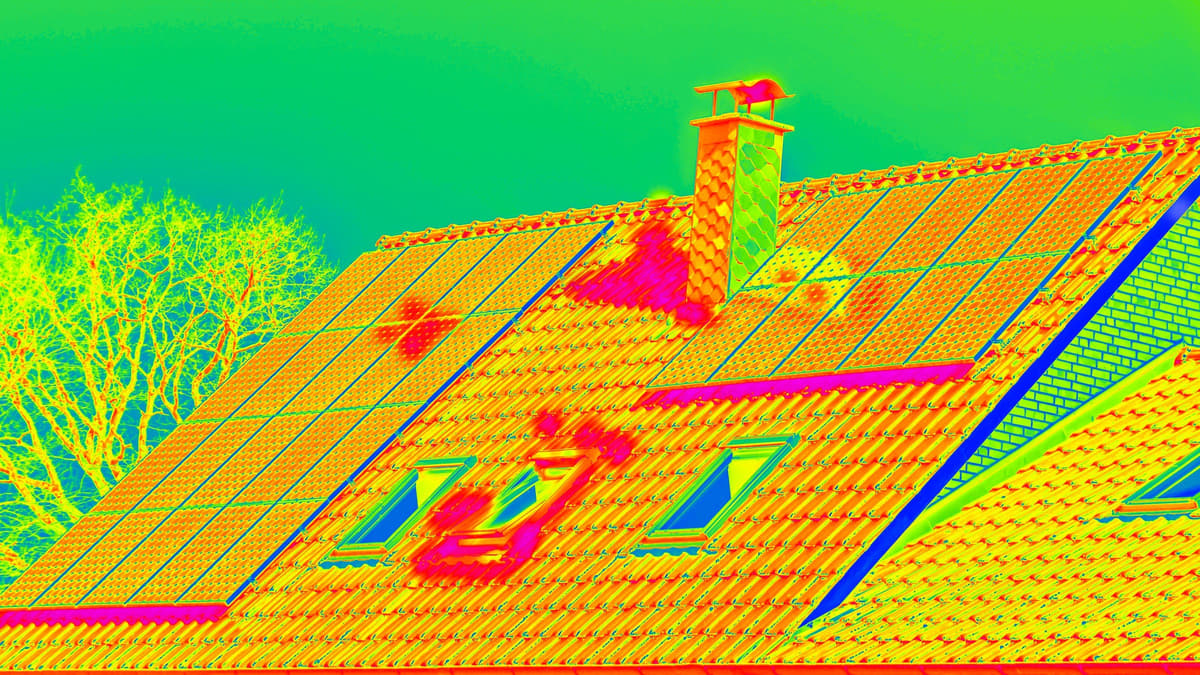
Thermal imaging translates temperature differentials into a visual map, exposing problems that manifest as heat or cold anomalies. Moisture intrusion appears as cool patches, insulation gaps as warm spots, and overloaded circuits as hot wires—each a potential source of future expense or safety hazards. While a typical scan adds $200‑$400 to an inspection, the financial upside can be exponential; uncovering a concealed leak before closing can save homeowners tens of thousands in remediation and avoid costly negotiation setbacks. Moreover, precise heat maps enable contractors to target repairs, often reducing demolition work and labor hours.
Adoption, however, hinges on expertise. Not every inspector owns a camera, and interpreting thermograms requires certification in infrared thermography. Buyers should verify credentials to ensure actionable results. As more firms integrate thermal imaging and certification standards solidify, the technology is poised to become a baseline expectation, reshaping buyer negotiations and driving industry-wide efficiency gains.
This Once-Luxury Inspection Add-On Can Now Save Average Homeowners From Costly Post-Sale Surprises
Comments
Want to join the conversation?
Loading comments...