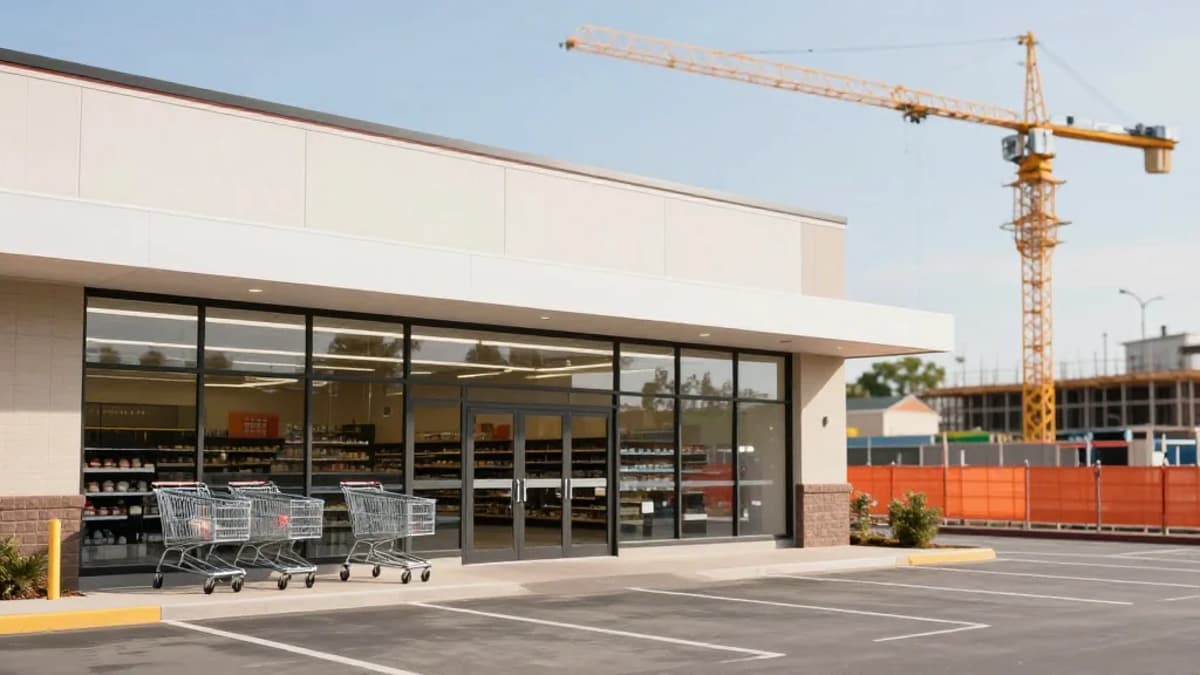
Tom Thumb Continues to Move Into North Texas
•March 10, 2026
0
Why It Matters
The rapid rollout intensifies grocery competition in North Texas, pressuring rivals to accelerate their own expansion and innovation. It also signals Albertsons’ commitment to capture growing consumer demand for comprehensive, experience‑focused supermarkets.
Key Takeaways
- •Third Tom Thumb store opened in Argyle, 63k sq ft
- •All three stores feature Starbucks kiosks and drive‑through pharmacies
- •New Argyle store includes 72‑foot protein and nutrition aisle
- •Fourth Tom Thumb location slated for Midlothian in April
- •Albertsons rivals H‑EB and Kroger expanding aggressively in North Texas
Pulse Analysis
Albertsons’ aggressive rollout of Tom Thumb stores reflects a broader strategic push to dominate the North Texas grocery landscape. By deploying large‑format formats that combine traditional supermarket offerings with experiential elements—such as the 72‑foot protein and nutrition aisle and in‑store Starbucks—Albertsons aims to attract a diverse shopper base seeking convenience and specialty products. This approach aligns with national trends where grocers are expanding store footprints to accommodate omnichannel services like curbside pickup and pharmacy drive‑throughs, thereby increasing basket size and customer loyalty.
The competitive pressure from regional powerhouses H‑EB and Kroger is sharpening the market’s focus on differentiation. H‑EB’s rollout of its discount‑oriented Joe V’s Smart Shops and massive land acquisitions for supply‑chain infrastructure underscore its intent to control both price and logistics. Meanwhile, Kroger’s planned Marketplace concepts promise a hybrid of grocery and general merchandise, challenging Albertsons to innovate beyond traditional formats. In this environment, Tom Thumb’s emphasis on local product assortments—over 1,000 items per store—serves as a tactical response to consumer demand for regional flavors and community connection.
For investors and industry analysts, the North Texas expansion signals a bellwether for grocery sector dynamics in high‑growth markets. The concentration of new store openings within a six‑month window suggests confidence in sustained consumer spending despite macroeconomic headwinds. Moreover, the integration of ancillary services—pharmacies, drive‑throughs, and coffee kiosks—enhances foot traffic and cross‑selling opportunities, potentially boosting same‑store sales metrics. As Albertsons, H‑EB, and Kroger vie for market share, the region will likely see continued investment in technology, supply‑chain efficiency, and experiential retail to capture the evolving preferences of Texas shoppers.
Tom Thumb continues to move into North Texas
0
Comments
Want to join the conversation?
Loading comments...