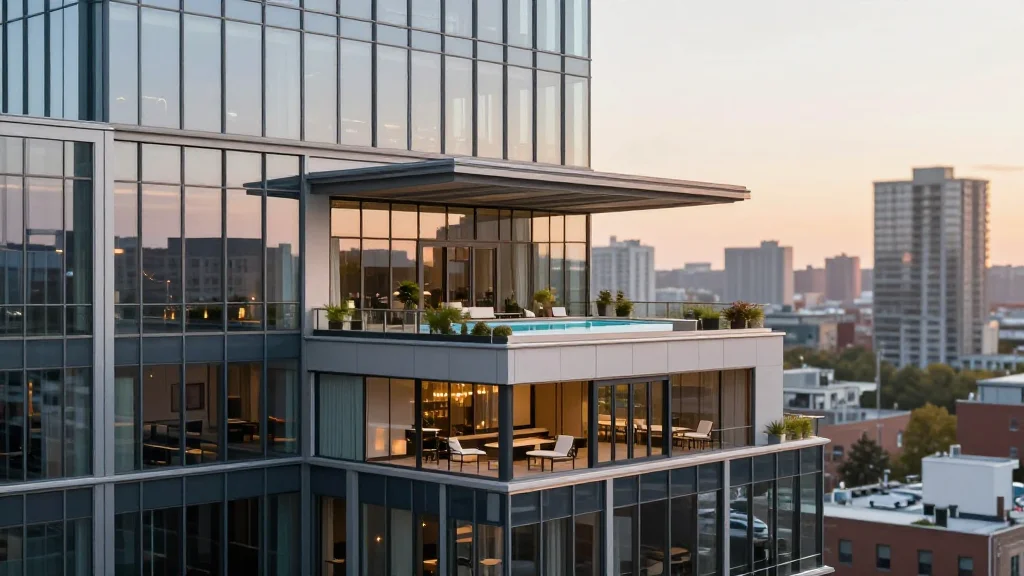
Toronto Retractable‑roof Office Tower Scrapped; Boutique Hotel Plan Approved for 160 John St.

Why It Matters
The pivot from an office tower to a boutique hotel at 160 John St. illustrates how Toronto’s real‑estate market is rebalancing after years of pandemic‑induced office vacancy. By converting a historic warehouse into a hospitality asset, developers are betting on tourism demand and the city’s cultural cachet rather than speculative office leases. This shift could accelerate a broader trend where underutilised office sites are repurposed for hotels, residential units, or mixed‑use projects that better match post‑COVID demand patterns. Additionally, the project’s location—just blocks from the Rogers Centre and within the Entertainment District—places it at the nexus of sports, concerts, and conventions. A new boutique hotel can capture spill‑over traffic from these venues, potentially boosting local employment and tax revenues while preserving the heritage façade of the 1912 building.
Key Takeaways
- •Constantine Enterprises withdrew the 11‑storey retractable‑roof office tower plan for 160 John St.
- •New proposal converts the 1912 warehouse into a boutique hotel with 43 suites and a 142‑sqm restaurant.
- •Early 2024 rezoning approved a six‑storey addition, but the office market remained weak.
- •The site currently houses The Friar pub; tenant fate is undecided.
- •City staff will review the hotel plan before issuing a final decision, with construction potentially starting in late 2026.
Pulse Analysis
Toronto’s downtown office market has been in a prolonged slump, with vacancy rates hovering above 20% in recent quarters. Developers who once chased high‑rise office towers now face a stark reality: without pre‑leased space, the financial risk outweighs the upside. The 160 John St. case is emblematic of this shift. By scrapping a high‑profile, architecturally ambitious office tower, Constantine Enterprises avoided a likely scenario of a half‑filled tower that would struggle to generate cash flow.
Hospitality, by contrast, is benefitting from a resurgence in tourism and a pipeline of major events, including the 2026 FIFA World Cup. Boutique hotels, especially those that preserve historic character, can command premium rates and attract a niche clientele seeking authentic experiences. The 43‑suite scale is modest enough to maintain an intimate brand while still delivering economies of scale for operations. Moreover, the inclusion of a sizable ground‑floor restaurant positions the property as a destination in its own right, potentially drawing locals and visitors alike.
Looking ahead, the 160 John St. redevelopment could set a precedent for other legacy office sites in the Entertainment District and beyond. If the city grants approval and the hotel proves successful, we may see a cascade of similar conversions, reshaping the downtown fabric from a monolithic office corridor into a mixed‑use tapestry of hotels, residences, and cultural venues. Developers will need to balance heritage preservation with modern amenities, and municipal planners will have to streamline approval processes to keep pace with market dynamics. The outcome of this project will be a bellwether for Toronto’s post‑pandemic real‑estate evolution.
Toronto retractable‑roof office tower scrapped; boutique hotel plan approved for 160 John St.
Comments
Want to join the conversation?
Loading comments...