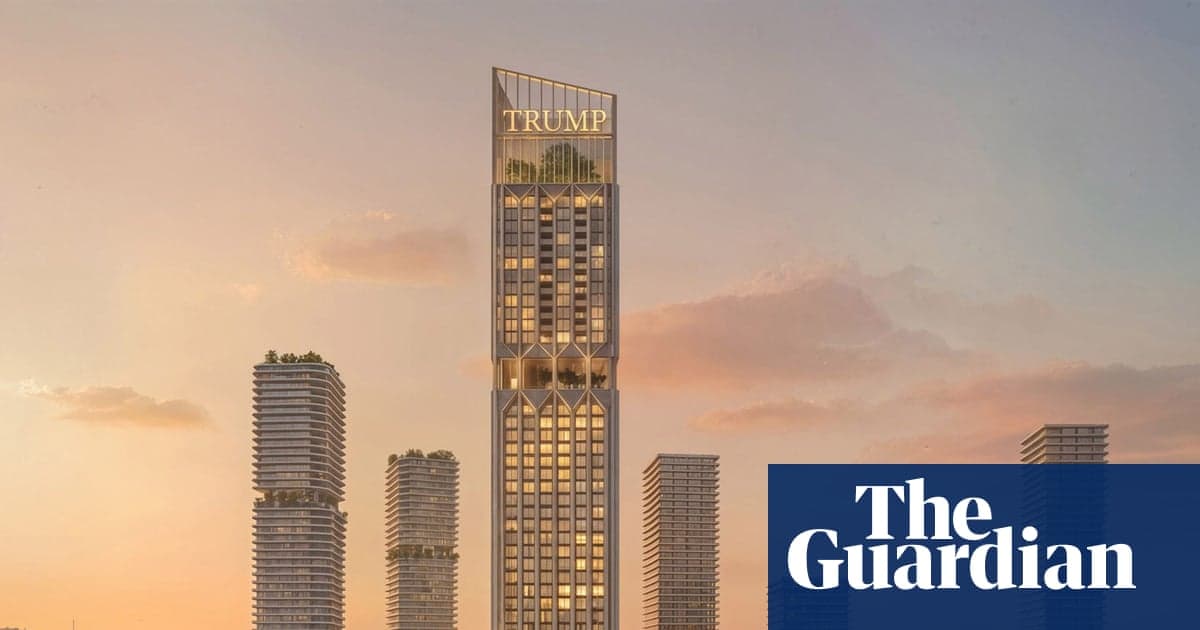
Trump Tower in Georgia to Be Built on Land Part-Owned by Son of US Sanctions-Hit Leader
Why It Matters
The deal intertwines a high‑profile U.S. brand with a sanctioned political family, exposing potential loopholes in sanctions enforcement and heightening scrutiny of foreign investment tied to geopolitics. It also signals how the Trump brand is leveraged to legitimize controversial regimes, affecting both U.S. foreign policy perception and Georgia’s investment climate.
Key Takeaways
- •Trump Tower to rise on land partially owned by Ivanishvili's son
- •Bidzina Ivanishvili sanctioned by US for pro‑Russian activities
- •Deal involves four Georgian firms and US partner Sapir Organization
- •Critics view project as political leverage for Georgia's ruling party
- •US sanctions bar direct business with Ivanishvili but allow exemptions
Pulse Analysis
The Trump Organization has turned its name into a global licensing engine, striking deals that extend far beyond traditional hotel management. From luxury resorts in Oman to a towering skyscraper in Georgia, the brand’s allure lies in its political cachet as much as its real‑estate expertise. This model, however, collides with U.S. sanctions policy when projects intersect with individuals or entities under restriction, prompting regulators to examine whether brand licensing constitutes prohibited support.
In Tbilisi, the proposed 70‑storey tower sits on a former Soviet hippodrome whose ownership traces back to the International Charity Fund Cartu. While the fund is technically a charitable vehicle, 35% of its parent company is held by Uta Ivanishvili, whose father, Bidzina Ivanishvili, was placed on the U.S. sanctions list in 2024 for undermining Georgia’s Euro‑Atlantic trajectory. The remaining 65% of the shares are opaque, allowing the Ivanishvili family to retain influence without breaching direct sanction rules, a nuance that anti‑corruption watchdogs say warrants closer inspection.
The controversy underscores a broader risk: high‑profile U.S. brands can inadvertently legitimize sanctioned actors, complicating diplomatic messaging and potentially eroding the credibility of sanctions regimes. For Georgia, the Trump Tower is marketed as a confidence boost for the economy, yet it may also entrench the ruling Georgian Dream party’s political narrative. Observers suggest that heightened transparency and stricter due‑diligence standards are essential to prevent brand‑driven projects from becoming de‑facto political instruments, especially when they involve opaque ownership structures and sanctioned individuals.
Trump Tower in Georgia to be built on land part-owned by son of US sanctions-hit leader
Comments
Want to join the conversation?
Loading comments...