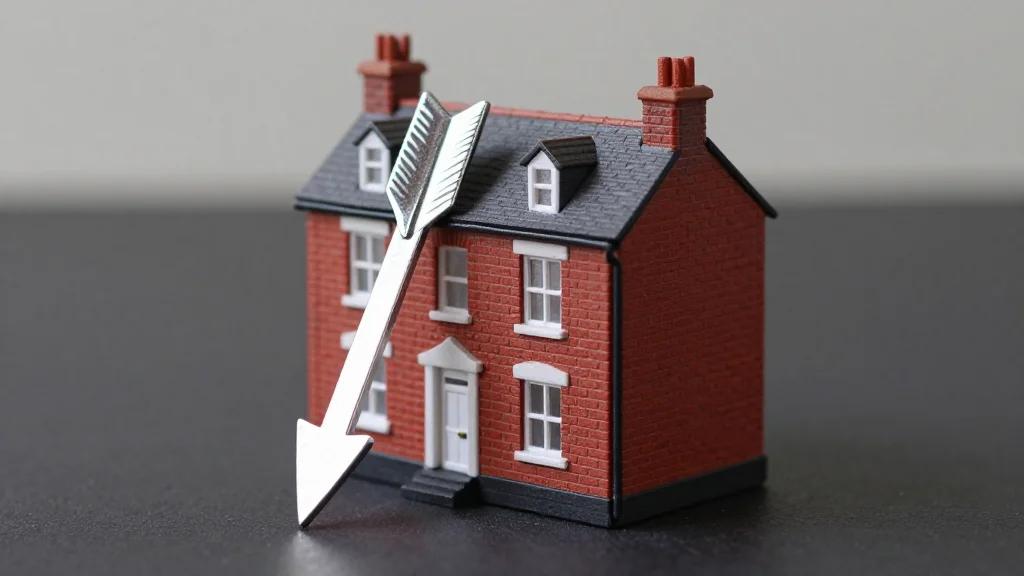
UK Home Sales Slip 7.6% YTD in 2026, Signaling Market Shift

Why It Matters
The 7.6% year‑to‑date decline in UK home transactions signals a broader cooling of the residential market after a period of stimulus‑driven activity. Lenders face a thinner pipeline of new mortgages, which could tighten credit conditions and affect housing affordability. Developers must navigate higher construction costs against a buyer pool that is now more cautious, potentially slowing the delivery of new homes and exacerbating the existing supply‑demand imbalance. Policymakers will likely use these data points to assess the effectiveness of recent tax measures and to consider interventions aimed at improving market transparency, such as tightening sole‑agency duration limits. The widening gap between listing and sale prices also raises concerns about overvaluation, which could lead to a correction if buyer sentiment does not improve.
Key Takeaways
- •UK residential transactions down 7.6% YTD to 342,000 homes under contract by mid‑April 2026.
- •Average price per square foot rose 2% to £345.64, but listing‑sale price gap widened to 25.4%.
- •Price reductions affected 20,500 properties in week 14; 13.2% of March listings were cut.
- •Withdrawal rate for homes leaving agents' books hit 47.4% in March, indicating overvaluation pressure.
- •Exchange completions fell 9.5% to 190,000 by third week of March, reflecting the end of the stamp‑duty holiday.
Pulse Analysis
The current slowdown appears less a sudden shock than the after‑effects of policy‑driven demand spikes. The stamp‑duty holiday, introduced to buoy the market during the pandemic, created a temporary surge that inflated both price expectations and transaction volumes. Its removal in April 2025 left a structural gap that the market is now feeling. Historically, such fiscal incentives tend to produce a lagging correction as buyers recalibrate expectations, and the data from PropertyWire aligns with that pattern.
From a lender’s perspective, the dip in net residential sales – down 5.2% YTD – translates into fewer new mortgage applications and a higher proportion of existing loans that may be under‑water if property values adjust downward. This risk could prompt banks to tighten underwriting standards, further dampening demand. Developers, meanwhile, are caught between rising material costs and a buyer base that is now more price‑sensitive, likely shifting focus toward mid‑range and affordable projects rather than high‑margin luxury builds.
Looking forward, the market’s trajectory will hinge on whether price adjustments can restore buyer confidence without triggering a sharp correction. If the listing‑sale price gap narrows and withdrawal rates fall, we may see a modest rebound in transaction volumes. Conversely, persistent overvaluation and high withdrawal rates could lead to a more pronounced slowdown, prompting policymakers to consider targeted measures—such as revisiting sole‑agency limits or offering modest buyer incentives—to stabilize the market.
UK Home Sales Slip 7.6% YTD in 2026, Signaling Market Shift
Comments
Want to join the conversation?
Loading comments...