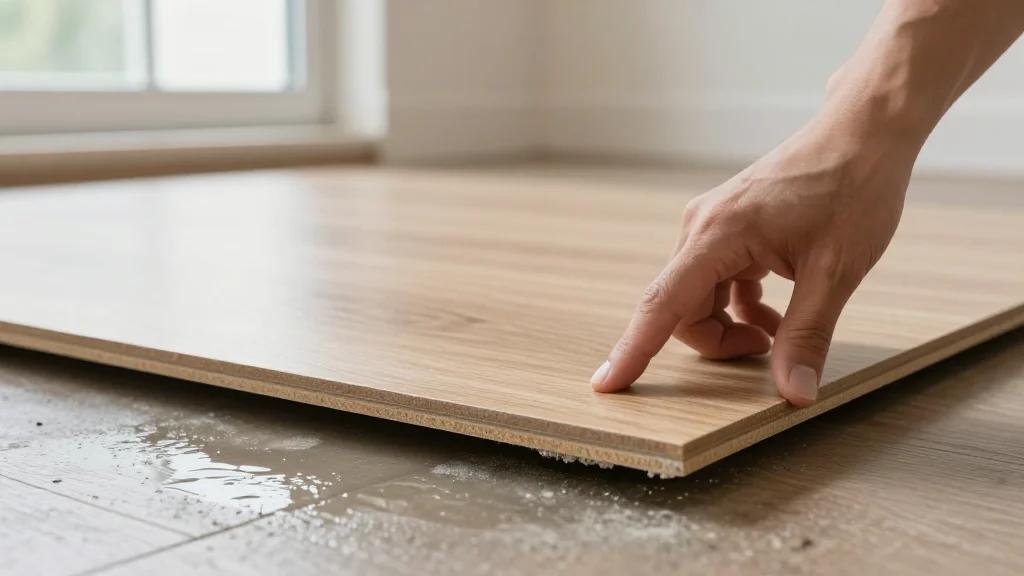
UK Homeowners Urged to Lift One Laminate Flooring Plank After Woman's Shocking Renovation Find Goes Viral
Why It Matters
Undetected moisture can compromise structural integrity, driving expensive floor replacements and insurance claims. The issue highlights builder responsibility and the need for proper damp‑proofing in modern housing.
Key Takeaways
- •Laminate installed directly on concrete without moisture barrier can trap damp
- •Wet concrete under floors leads to swelling, buckling, mold growth
- •Homeowners should lift a plank to inspect for damp early
- •Builders may be liable; warranties can cover replacement in newer builds
- •Professional damp survey recommended for older properties before re‑flooring
Pulse Analysis
Laminate flooring has become a go‑to choice for UK renters and first‑time buyers because of its affordability and ease of installation. However, a surge of DIY renovations has exposed a hidden flaw: many newer developments install laminate directly on concrete slabs without a dedicated moisture barrier. This practice allows ground‑level moisture to rise through the slab, saturating the underlay and the laminate itself. The viral TikTok clip of Kim Ladd’s discovery amplified a broader industry conversation about construction standards, prompting homeowners to question whether their floors are truly protected against damp.
From a technical standpoint, moisture migration through concrete is a slow but relentless process. When water reaches the laminate, its layered composition swells, warps, and can develop a musty odor as mold takes hold. Unlike solid hardwood, laminate cannot be sanded or refinished to remove damage, often necessitating full board replacement. The financial impact is significant: homeowners may face replacement costs ranging from a few thousand pounds to tens of thousands, not to mention potential insurance disputes. Builders of newer estates may be liable under structural warranties, while older properties typically require a damp surveyor to assess the slab, recommend epoxy membranes, or install new subfloors before re‑installing flooring.
Practical guidance now centers on early detection. Lifting a single plank can reveal wet concrete, prompting immediate documentation and ventilation. Homeowners should photograph the issue, halt further work, and consult a qualified damp‑proofing specialist. For newer builds, contacting the developer or warranty provider can lead to remediation at the builder’s expense. In older homes, a professional survey can identify the source—whether a leaking pipe or a compromised damp‑proof membrane—and outline remedial steps. As awareness grows, the market may see increased demand for moisture‑resistant underlays and stricter building code enforcement, protecting both property values and occupant health.
UK homeowners urged to lift one laminate flooring plank after woman's shocking renovation find goes viral
Comments
Want to join the conversation?
Loading comments...