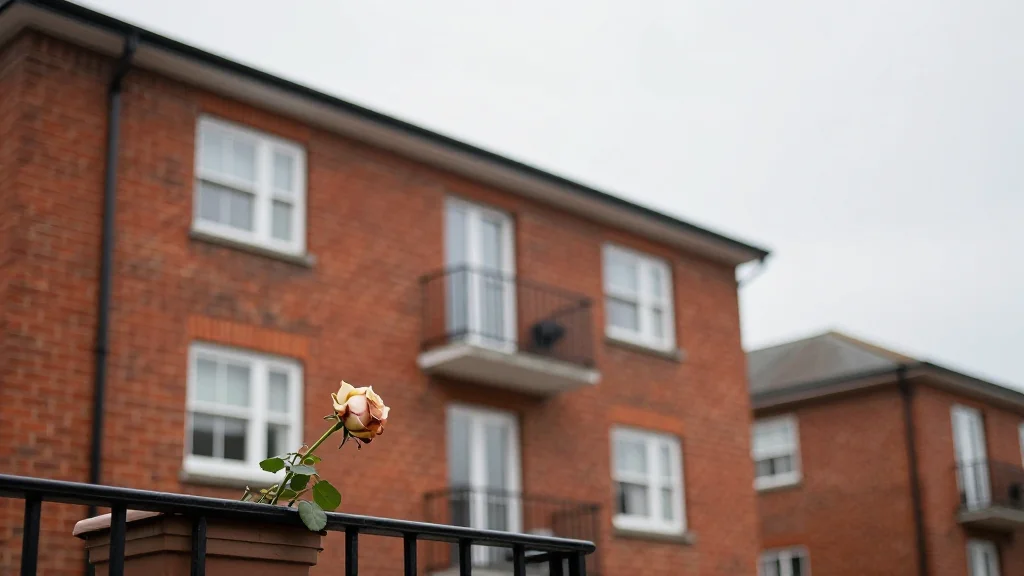
UK Retirement Flats Lose Up to 95% Value as Service Charges Surge, Buyers Warned

Why It Matters
The collapse in retirement‑flat values threatens the financial security of thousands of older Britons who view these properties as long‑term wealth stores. With service charges outpacing inflation, owners face a double‑edged squeeze of declining asset values and rising ongoing costs. The crisis also signals systemic risks for the £10 billion retirement‑village sector, potentially prompting regulatory scrutiny and reshaping the senior‑housing landscape across the UK. Beyond individual losses, the downturn could dampen confidence in niche real‑estate investments, influencing how younger generations allocate capital between traditional property and emerging assets like cryptocurrencies. A weakened retirement‑property market may also reduce construction activity, affecting jobs and regional economies tied to senior‑living development.
Key Takeaways
- •≈190,000 privately owned retirement flats in the UK have lost up to 95% of their original value.
- •Annual service charges have risen >50% in seven years, from £8,401 to £13,497 for a typical two‑bedroom unit.
- •Owner Clive Drysdale estimates combined losses of £12‑15 million across 60 apartments in Swift House.
- •The retirement‑village sector is valued at >£10 billion annually despite the downturn.
- •Resale prices have fallen to as low as £200,000, a 60% loss from original purchase prices.
Pulse Analysis
The retirement‑flat debacle underscores a broader shift in how investors evaluate illiquid, age‑restricted assets. Historically, these properties were marketed as low‑maintenance, inflation‑hedged investments for retirees. The reality—rapid fee inflation, restrictive occupancy rules, and a thin secondary market—has turned them into liability traps. This misalignment mirrors the cautionary tales emerging in other niche real‑estate segments, such as co‑living and student housing, where over‑optimistic yield projections have collided with operational cost spikes.
From a macro perspective, the UK’s aging population will continue to fuel demand for senior housing, but the model must evolve. Developers may need to decouple service‑charge structures from speculative capital gains, perhaps by adopting transparent, capped fee regimes or offering flexible lease terms that broaden the buyer pool. Policymakers could intervene by mandating clearer disclosure of long‑term cost trajectories, akin to mortgage‑lending reforms introduced after the 2008 crisis.
For younger investors, the retirement‑flat collapse serves as a cautionary backdrop to the growing allure of crypto assets. While digital currencies promise high returns, they also carry volatility and regulatory uncertainty. The retirement‑flat saga illustrates that high‑yield promises in any asset class must be weighed against hidden costs and liquidity constraints. As the UK grapples with this real‑estate shock, a more disciplined, data‑driven approach to alternative investments will likely gain traction among the next generation of wealth builders.
UK Retirement Flats Lose Up to 95% Value as Service Charges Surge, Buyers Warned
Comments
Want to join the conversation?
Loading comments...