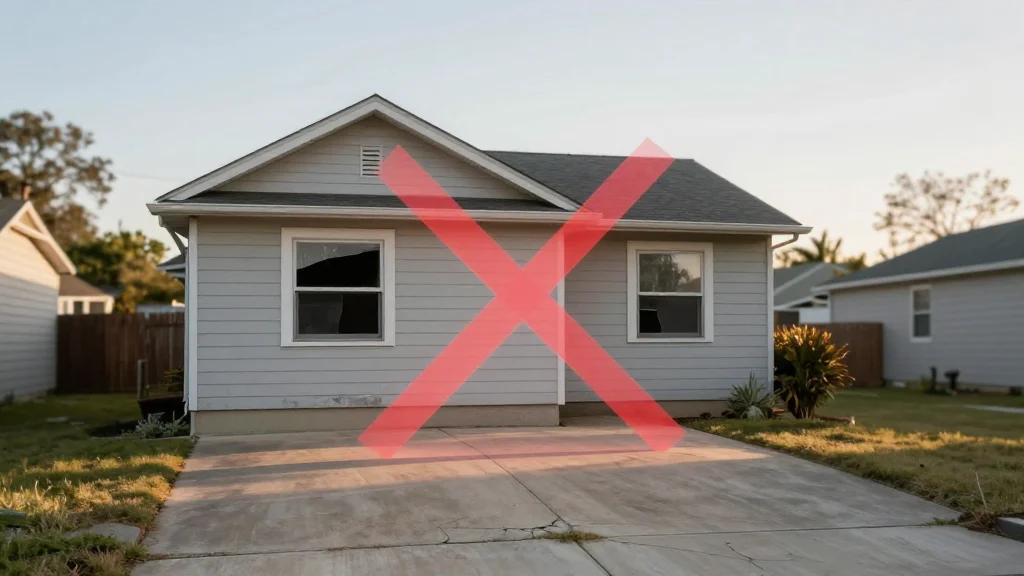
Vacant and Derelict Houses Bought by Dublin City Council Unused Due to Severe Dilapidation
Why It Matters
The stalled properties highlight the limits of refurbishing severely dilapidated stock as a quick fix to Dublin's housing shortage, potentially diverting public funds toward demolition or resale. The outcome will shape future municipal strategies for addressing affordable‑housing gaps.
Key Takeaways
- •Council bought 112 derelict homes, refurbished 77, 32 remain vacant.
- •At least 20 properties deemed too costly, slated for demolition.
- •Buy and Renew scheme aimed at social housing, now faces setbacks.
- •Council may sell some derelict houses back to private market.
- •Assessments will guide councillors on demolition or sale decisions.
Pulse Analysis
Dublin’s chronic housing shortage has driven the city council to adopt the Buy and Renew scheme, a policy that acquires long‑term vacant homes for conversion into social housing. Since its launch in 2017, the council has secured 112 properties, successfully refurbishing 77 and delivering new homes to low‑income families. The approach was praised as a pragmatic way to increase supply without new construction, leveraging existing stock and curbing blight in neighborhoods ranging from Phibsborough to Walkinstown.
However, the scheme’s ambition collided with reality as many acquired buildings were in extreme disrepair. Engineers report that at least 20 of the 32 still‑idle homes require structural interventions that are financially prohibitive, with some structures on the brink of collapse. The high cost of remediation, combined with limited council resources, has forced officials to contemplate demolition—a costly but sometimes unavoidable outcome. This dilemma underscores a broader policy challenge: balancing the urgency of expanding affordable housing against the fiscal prudence of investing in properties that may never become viable.
Looking ahead, Dublin City Council is weighing the sale of several derelict assets back to the private market, starting with the Chapelizod cottages. If successful, the proceeds could be redirected to more cost‑effective housing projects or to accelerate the refurbishment of less compromised units. The council’s forthcoming assessment report will set a precedent for how Irish municipalities manage dilapidated housing inventories, offering lessons for other cities grappling with similar supply‑side constraints and the risk of sunk costs in well‑intentioned but poorly executed acquisition programs.
Vacant and derelict houses bought by Dublin City Council unused due to severe dilapidation
Comments
Want to join the conversation?
Loading comments...