Viral HomeGoods Finds Are Everywhere—Here’s How to Use Them to Boost Your Home’s Value
Why It Matters
Strategic use of affordable, on‑trend HomeGoods finds can enhance staging, leading to higher sale prices, while excessive décor can deter buyers and depress offers.
Key Takeaways
- •Bold HomeGoods pieces should stay under 10% of overall décor.
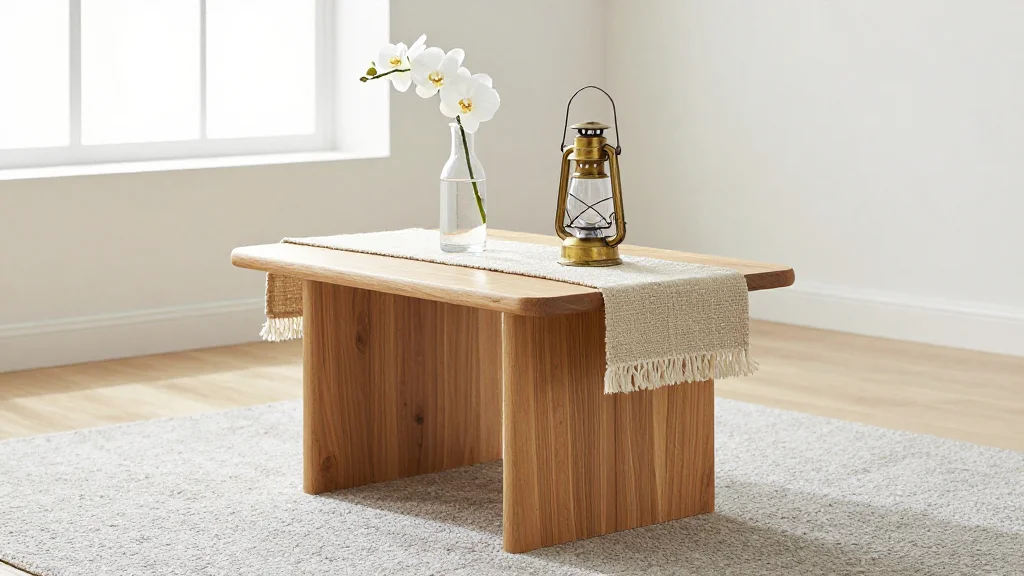
- •Natural materials like wood, stone, metal photograph well and add value.
- •Layered textures and one statement accent create curated, buyer‑friendly look.
- •Over‑staging with seasonal or plastic items can lower perceived home price.
Pulse Analysis
The rise of short‑form video platforms has turned HomeGoods hauls into a cultural phenomenon, turning inexpensive accessories into viral styling cues. Retailer’s constantly refreshed inventory—sourced from dozens of countries each week—feeds a “never‑same‑shop” experience that resonates with millennial and Gen‑Z homebuyers who value discovery. For sellers, this influx of on‑trend pieces offers a low‑cost way to refresh a property’s visual narrative without a full renovation. However, the same items that generate online buzz can also clutter a space if not curated, affecting both in‑person tours and digital listings.
Redfin’s staging guidelines distill the trend into a disciplined formula: keep bold, conversation‑starter items under 10 % of the overall décor and prioritize natural finishes such as wood, stone, metal, or ceramic. These materials reflect light, render accurately in high‑resolution photos, and signal quality to discerning buyers. Layering complementary textures—linen throws, brass candlesticks, woven baskets—creates depth while maintaining a clean backdrop. A single sculptural object or a well‑placed vintage vase can serve as a focal point, guiding the eye without overwhelming the room’s functional appeal.
When applied correctly, modest HomeGoods styling can translate into measurable price premiums, as staged homes often sell faster and for higher offers than unstaged counterparts. Conversely, over‑staging with seasonal knick‑knacks or cheap plastics can trigger buyer fatigue, prompting lower perceived value and longer market time. Real‑estate professionals now advise sellers to adopt a “broadly appealing with a wink” approach—neutral foundations paired with one or two curated accents that echo current design trends. This balance satisfies the market’s appetite for individuality while preserving the timeless aesthetic that drives transaction confidence.
Viral HomeGoods Finds Are Everywhere—Here’s How to Use Them to Boost Your Home’s Value
Comments
Want to join the conversation?
Loading comments...