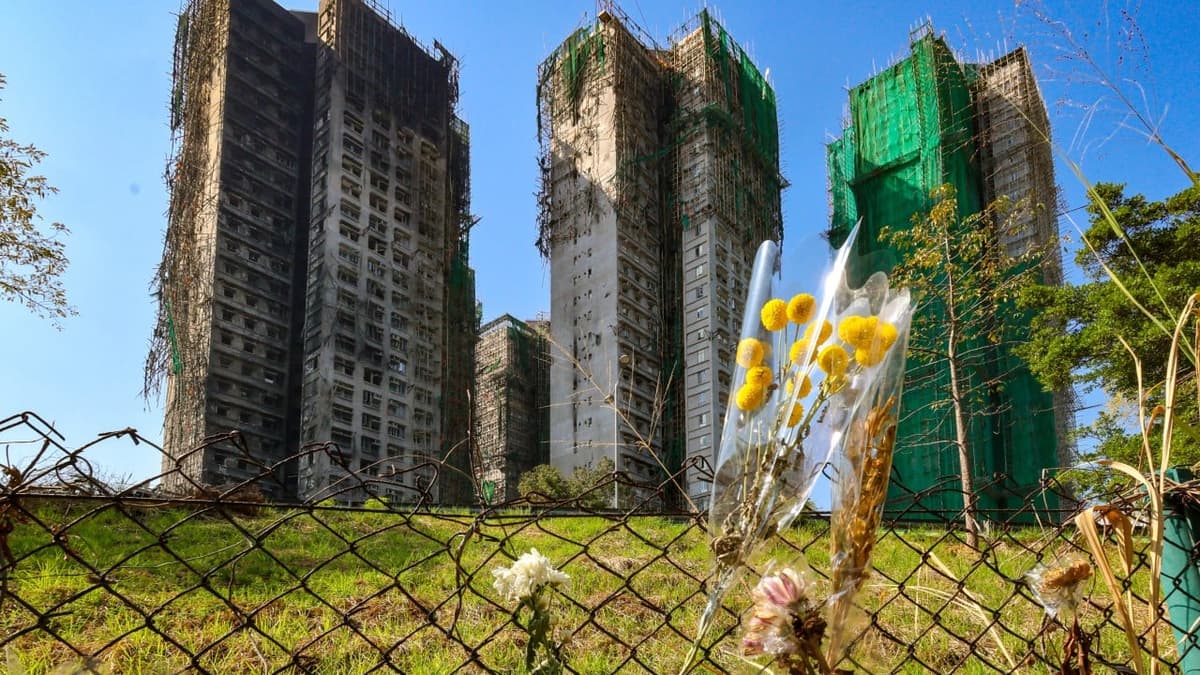
Wang Fuk Court Briefing to Give Residents Answers Before Decisions Are Made: Minister
Why It Matters
The initiative signals a coordinated, transparent response to one of Hong Kong’s deadliest residential fires, aiming to restore homeowner confidence and set a precedent for disaster‑related housing governance.
Key Takeaways
- •Briefing scheduled before owners' meeting to address resident concerns
- •Hop On to explain renovation fund refunds and deposit issues
- •No scheduling conflict with fire inquiry or return period
- •Over 300 homeowners petitioned for meeting on unresolved matters
- •Fire killed 168, displaced nearly 5,000 Tai Po residents
Pulse Analysis
The November blaze at Wang Fuk Court remains a stark reminder of Hong Kong’s vulnerability to high‑rise fire hazards. With 168 fatalities and nearly 5,000 displaced, the tragedy prompted a massive public outcry and a scramble to secure safe, temporary housing. Beyond the immediate humanitarian response, the incident exposed gaps in building management oversight, prompting authorities to tighten enforcement of the Building Management Ordinance and to scrutinise renovation contracts tied to public estates.
In the wake of the disaster, Hop On Management—a Chinachem Group subsidiary appointed as interim administrator—has been tasked with untangling a complex web of financial and legal issues. The company is reviewing over 800,000 documents to clarify each household’s renovation fee status, pending ownership transfers, and refundable deposits. By scheduling a dedicated briefing before any owners’ meeting, Hop On aims to provide transparent explanations of the HK$336 million renovation fund, mitigate resident frustration, and ensure that refund processes comply with statutory requirements. The timing of the briefing is deliberately set to avoid clashing with evidential hearings and the window (20 April‑4 May) when residents may re‑enter flats to collect belongings.
The broader implications extend to Hong Kong’s public housing policy and crisis‑management protocols. A well‑executed briefing can rebuild trust among affected homeowners, demonstrate governmental commitment to procedural fairness, and serve as a template for handling future large‑scale incidents. Moreover, the focus on clear communication and legal compliance may pressure other estate managers to adopt more rigorous document‑management practices, ultimately enhancing safety standards across the city’s dense residential landscape.
Wang Fuk Court briefing to give residents answers before decisions are made: minister
Comments
Want to join the conversation?
Loading comments...