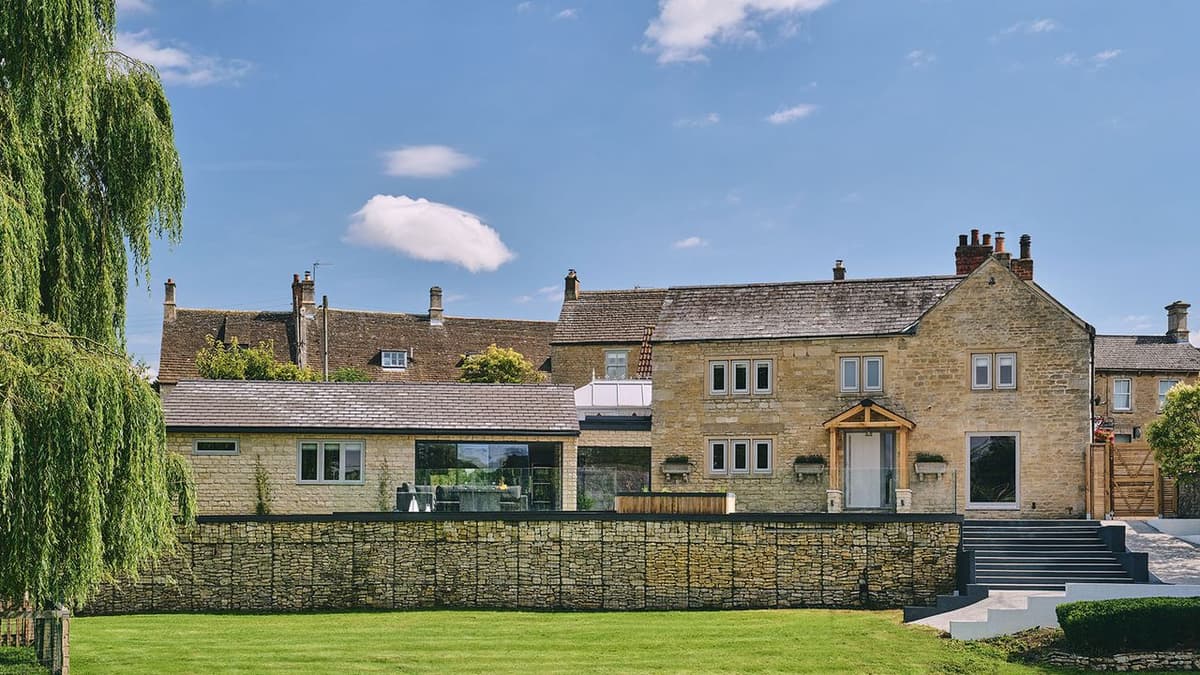
Want to Make Every Pound of Your Build Budget Count? A Quantity Surveyor Explains Why Value Engineering Could Be Your Project’s Secret Weapon
•March 6, 2026
0
Why It Matters
In an environment of rising material prices and constrained budgets, VE equips self‑builders and renovators with a disciplined approach to protect profitability and future resale potential.
Key Takeaways
- •Early VE cuts costs before detailed design
- •QS provides whole‑life cost analysis
- •Simple layouts reduce material and labour
- •Material selection balances performance and price
- •Avoid overspecification to protect resale value
Pulse Analysis
Value engineering has emerged as a cornerstone of modern residential construction, especially as material inflation and labour shortages tighten project margins. Unlike ad‑hoc cost‑cutting, VE scrutinises each design decision against its functional contribution, ensuring that savings do not erode performance or durability. This disciplined approach resonates with homeowners seeking both affordability and long‑term asset resilience, positioning VE as a strategic response to today’s economic pressures.
The practical rollout of VE hinges on timing and collaboration. Engaging a quantity surveyor at the schematic stage enables whole‑life cost modelling, benchmarking, and the identification of low‑impact, high‑value alternatives. Architects, designers and builders contribute constructability insights, while the homeowner’s priorities steer the trade‑off matrix. Real‑world case studies illustrate typical savings: swapping bespoke aluminium windows for high‑quality uPVC can shave 15‑30% off the window budget, and simplifying roof geometry can cut structural costs by up to 35%. These adjustments are often invisible to occupants yet deliver measurable financial benefits.
Beyond immediate savings, VE influences the asset’s lifecycle. By prioritising durable materials in high‑wear zones and avoiding overspecification of mechanical systems, owners reduce future maintenance and energy expenses, thereby enhancing net operating income and resale appeal. Shorter build programmes, another VE by‑product, lower financing costs and disruption. For self‑builders and renovators, adopting a continuous VE mindset—rather than a one‑off exercise—creates a resilient, cost‑optimized home that meets design aspirations while safeguarding long‑term value.
Want to make every pound of your build budget count? A quantity surveyor explains why value engineering could be your project’s secret weapon
0
Comments
Want to join the conversation?
Loading comments...