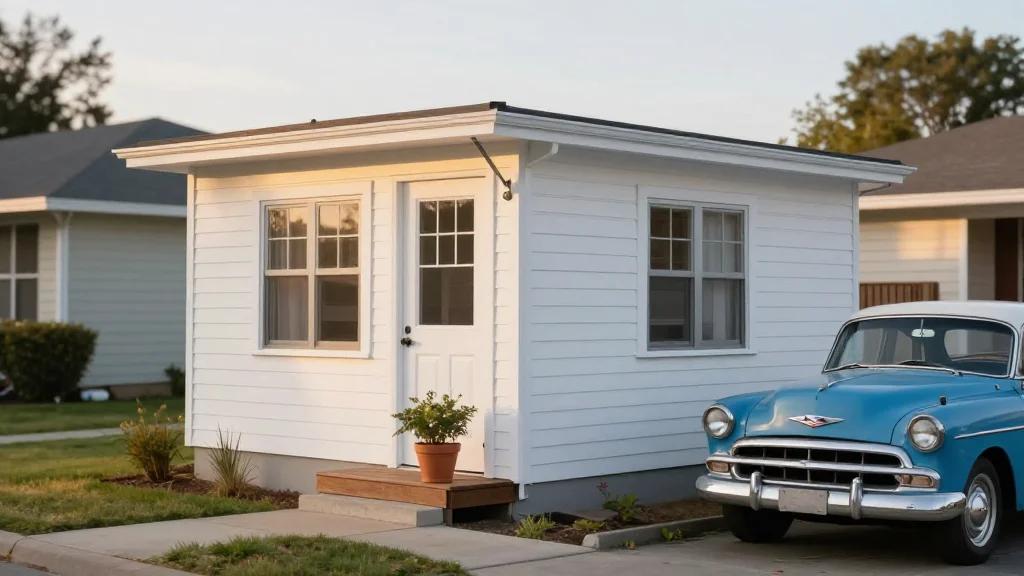
What Do the Gilmore Girls, Happy Days, and Full House Have in Common? ADUs.
Why It Matters
Legalizing ADUs could quickly expand Connecticut’s affordable housing stock while giving homeowners a new revenue stream, easing the broader regional affordability crisis.
Key Takeaways
- •Connecticut bill would legalize ADUs statewide.
- •ADUs can generate rental income for homeowners.
- •Seniors can downsize while staying near family.
- •ADUs increase housing supply without large infrastructure costs.
- •Pop culture shows ADUs have long‑standing American roots.
Pulse Analysis
Across the United States, municipalities are re‑examining zoning codes to accommodate accessory dwelling units, a trend accelerated by rising housing costs and an aging population. ADUs—often built above garages, in basements, or as detached granny flats—offer a modest footprint that can be integrated into existing neighborhoods without the need for new utilities or extensive roadwork. Cities from Portland to Austin have reported measurable increases in housing supply after easing ADU restrictions, demonstrating that modest regulatory tweaks can yield outsized impacts on affordability.
Connecticut’s proposed legislation would standardize ADU allowances statewide, replacing a patchwork of local ordinances that currently limit their construction. By referencing familiar TV settings, the bill’s advocates highlight the cultural familiarity of ADUs, positioning them as a pragmatic tool for families needing multigenerational space and for homeowners seeking supplemental income to cover higher grocery, utility, and childcare expenses. Early data from towns that have already permitted ADUs show modest rent revenues—often $800‑$1,200 per month—enabling owners to offset mortgage payments while adding roughly 5‑10 percent to local housing inventories.
Despite the promise, challenges remain. Financing ADUs can be tricky, as lenders may view them as secondary structures, and some neighborhoods resist perceived density increases. The Connecticut bill addresses these concerns by offering streamlined permitting, tax incentives, and technical assistance for construction. If enacted, the policy could serve as a model for other New England states grappling with similar affordability pressures, illustrating how a culturally resonant, low‑cost housing strategy can be scaled through thoughtful legislation.
What do the Gilmore Girls, Happy Days, and Full House have in common? ADUs.
Comments
Want to join the conversation?
Loading comments...