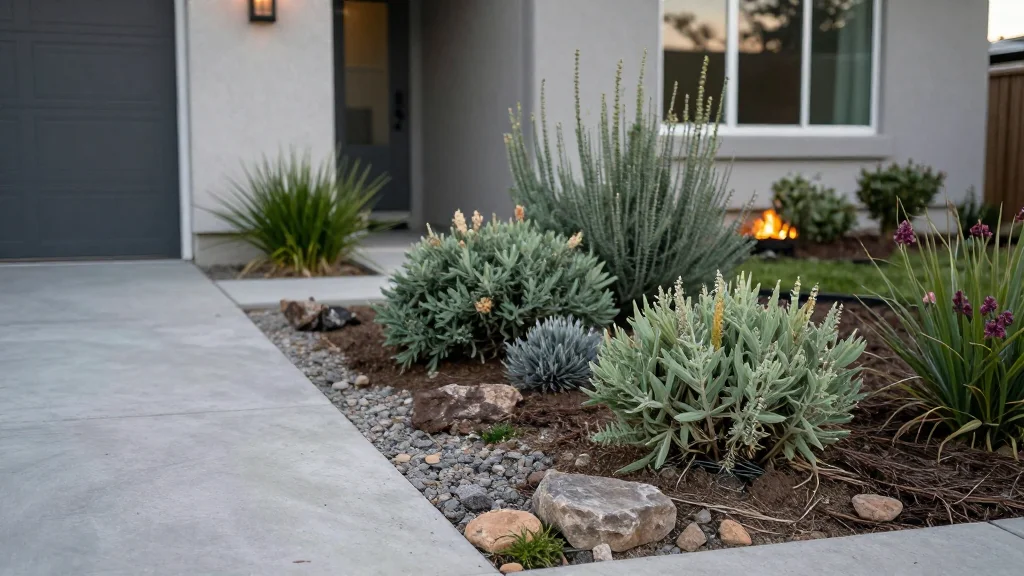
What to Plant (and What to Remove) in California's New 'Zone Zero' Fire-Safety Proposal
Why It Matters
The rules could affect millions of homes in California’s fire‑prone regions, shaping wildfire mitigation strategies and setting a template for other states facing similar threats.
Key Takeaways
- •1-foot Safety Zone bans all combustible vegetation around homes.
- •Grasses allowed beyond zone if trimmed to 3 inches.
- •Small plants up to 18 inches permitted if spaced.
- •Trees stay but branches must meet clearance distances.
- •Homeowners have five years to comply; new builds follow immediately.
Pulse Analysis
Wildfire activity across the American West has surged in the past decade, prompting policymakers to tighten defensible‑space standards. California already enforces Zone One (30 feet) and Zone Two (100 feet) buffers that limit dead vegetation, leaf litter, and firewood near structures. Yet recent urban fire events have exposed gaps in those rules, especially close to homes where ember showers can ignite low‑lying fuels. The new draft builds on that foundation, introducing a hyper‑focused Safety Zone that targets the most vulnerable one‑foot perimeter around a residence.
The Safety Zone proposal blends the hard‑line stance of fire officials with the ecological concerns of scientists. Within the one‑foot buffer, any material capable of burning—mulch, grass, shrubs—must be cleared, while a broader Zone Zero permits ground‑covers trimmed to three inches and small ornamental plants up to 18 inches if spaced. Trees are generally allowed but must maintain specific branch clearances: one foot from walls, five feet above roofs, and ten feet from chimneys, with lower limbs pruned back. Homeowners receive a five‑year window to meet these standards, but new construction must adopt them immediately, creating a clear compliance timeline.
For homeowners, the regulations translate into both upfront costs and long‑term risk reduction. Replacing combustible fences with metal, trimming trees, and maintaining low‑height plantings may require professional services, but the potential to prevent total loss during a wildfire could outweigh those expenses. Builders and developers will need to integrate fire‑resistant landscaping into design plans, potentially spurring a market for non‑combustible materials and low‑fuel vegetation. If adopted, California’s model may inspire neighboring states to craft similar hyper‑local defensible‑space rules, reshaping the national approach to wildfire mitigation.
What to plant (and what to remove) in California's new 'Zone Zero' fire-safety proposal
Comments
Want to join the conversation?
Loading comments...