When Community Becomes Distraction: How To Manage Social Friction In Coworking Spaces
•February 26, 2026
0
Why It Matters
Managing social friction preserves member productivity and boosts retention, directly impacting a coworking operator’s bottom line.
Key Takeaways
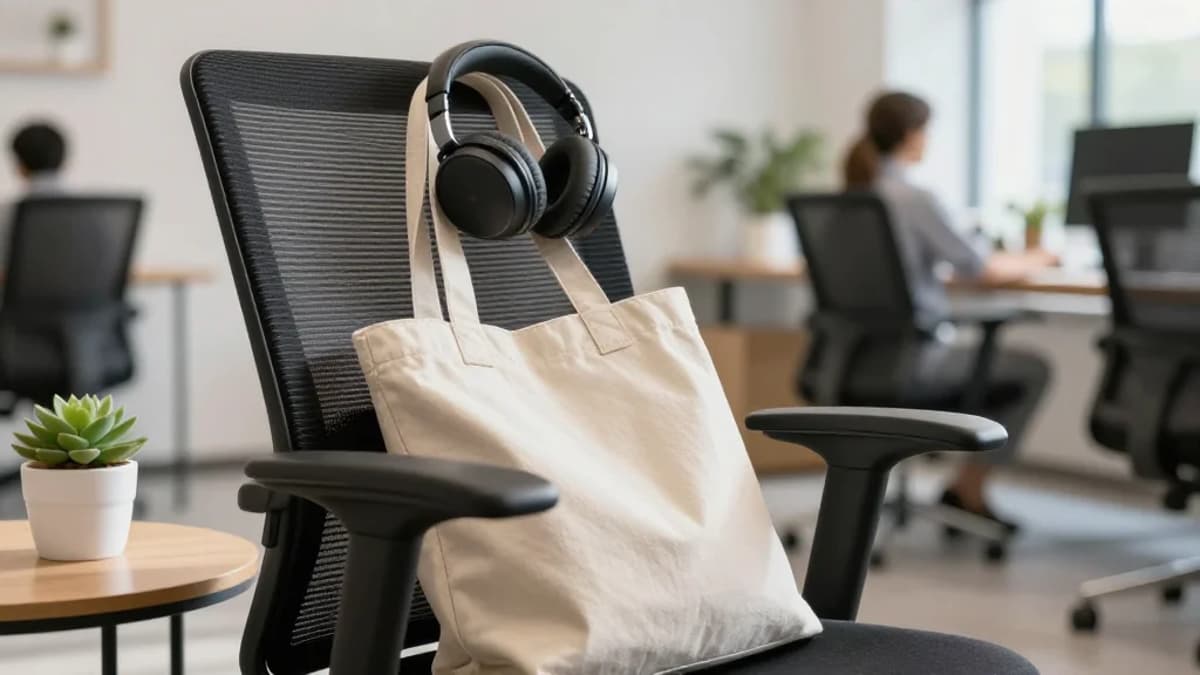
- •Headphones signal availability; over‑ear means “do not disturb”.
- •Laptop orientation reveals focus or openness.
- •Bag on chair creates a soft personal boundary.
- •Schedule events outside core focus hours.
- •Design zoning separates collaboration from concentration zones.
Pulse Analysis
Coworking’s promise of serendipitous interaction hinges on a delicate equilibrium between collaboration and concentration. Unlike traditional offices, these environments lack hierarchical cues, so members rely on subtle signals—headphones indicating mental bandwidth, laptop angles revealing openness, and personal items like bags marking soft boundaries. Recognizing and respecting these cues reduces unintentional interruptions, allowing professionals to tap into the community’s creative energy without sacrificing deep work.
The community manager’s role has evolved from mere hospitality to a hybrid of librarian and event planner. Their primary responsibility is to safeguard focus zones while still fostering a sense of belonging. This means instituting policies that schedule networking lunches, workshops, and happy hours outside core productivity windows, and designing the floor plan with distinct zones—soft seating for casual chats, high‑back booths for privacy, and clear acoustic buffers. Proactive, private interventions when conversations spill into quiet areas reinforce norms without creating a policing atmosphere.
For operators, mastering this balance translates into higher member satisfaction, lower churn, and stronger brand reputation. Spaces that embed behavioral design into architecture and schedule programming strategically become attractive to both extroverted networkers and introverted deep‑workers. As the coworking market matures, data‑driven insights—such as attendance patterns during event-heavy weeks—will guide refinements in zoning and community policies, ensuring that the community enhances rather than erodes productivity. Ultimately, the most resilient coworking models will let members choose when to work and when to connect, delivering the best of both worlds.
When Community Becomes Distraction: How To Manage Social Friction In Coworking Spaces
0
Comments
Want to join the conversation?
Loading comments...