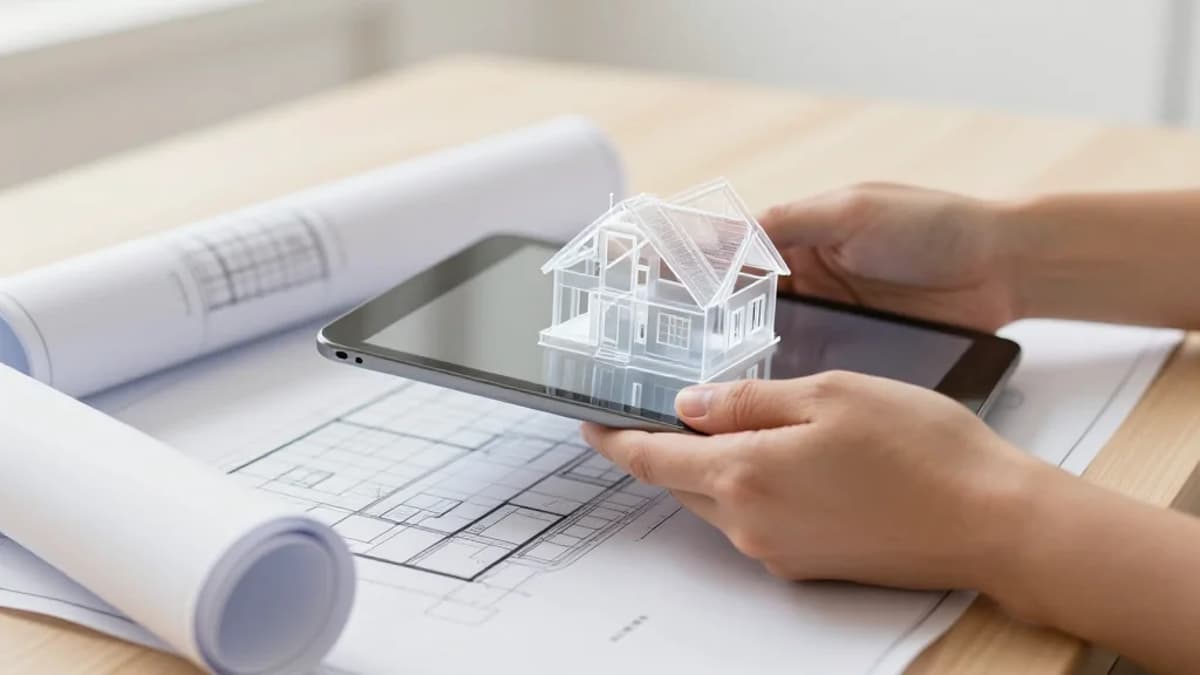
Why Is Communication so Important When Designing a Home? An Architect Explains
•March 10, 2026
0
Why It Matters
Clear, timely dialogue reduces project risk, saving time and money for homeowners and the construction industry. It also strengthens trust between architects, clients, and regulators, leading to higher‑quality outcomes.
Key Takeaways
- •Clear pre‑appointment goals align architect and client expectations
- •Ongoing updates prevent delays and cost overruns
- •Collaborative iteration resolves design obstacles early
- •Direct phone contact speeds issue resolution
- •Integrated consultant communication ensures smooth planning approval
Pulse Analysis
Homebuilding today involves a web of stakeholders—from architects and engineers to planning officers and suppliers. Establishing a solid communication foundation before any contract is signed helps align expectations around budget, aesthetic preferences, and functional requirements. This early alignment not only builds trust but also creates a reference point for future decisions, reducing the likelihood of costly scope changes later in the project.
During the design phase, the flow of information becomes even more critical. Architects who adopt a mixed‑mode approach—combining real‑time video calls, shared 3D models, and quick phone check‑ins—can surface design conflicts early and keep consultants synchronized. Such iterative collaboration shortens feedback loops, prevents regulatory setbacks, and curtails the expense associated with re‑work. Moreover, when communication channels remain open, clients can make informed choices about materials and finishes without waiting for lengthy email threads.
The broader industry is recognizing that communication efficiency directly impacts profitability and client satisfaction. Best‑practice guidelines now emphasize designated communication protocols, regular status reports, and clear escalation paths for issues. As remote collaboration tools evolve, architects who blend technology with personal interaction will differentiate themselves, delivering projects that stay on schedule, within budget, and reflective of the homeowner’s vision. Embracing these practices positions firms to thrive in an increasingly competitive self‑build market.
Why is Communication so Important When Designing a Home? An Architect Explains
0
Comments
Want to join the conversation?
Loading comments...