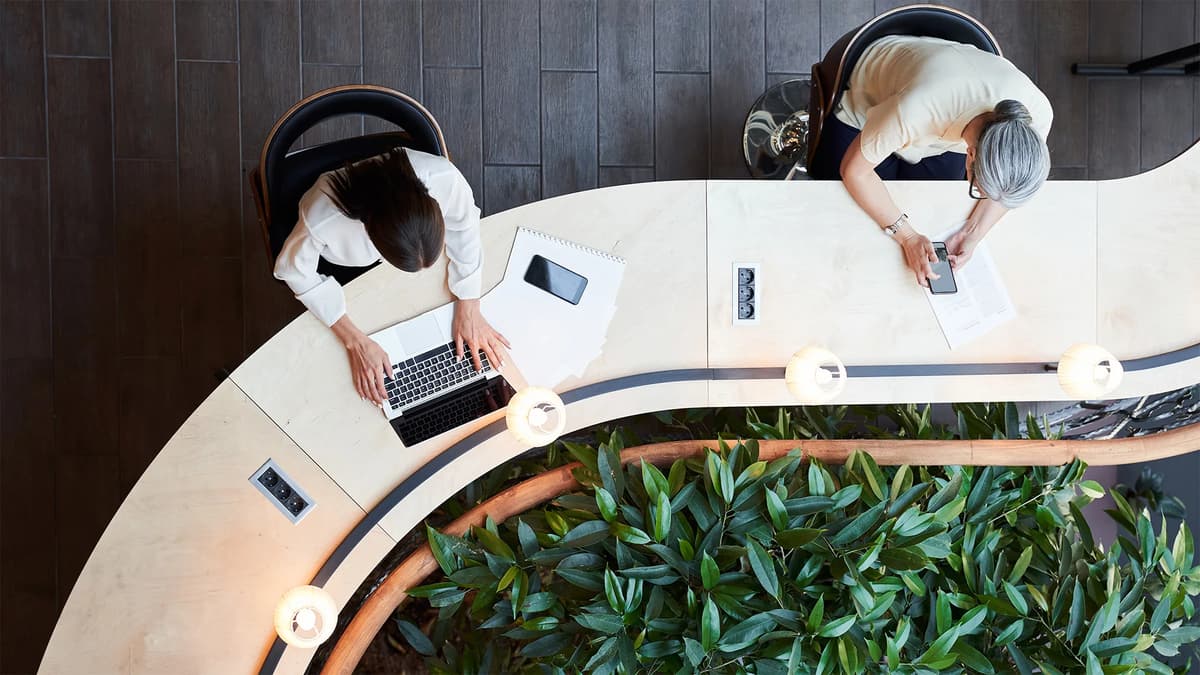
Why Office Seating Choice Can Boost Productivity by 2.5x
Why It Matters
Providing varied work settings directly lifts employee productivity and reduces stress, delivering measurable ROI for firms navigating hybrid work models.
Key Takeaways
- •Multiple seating options raise productivity 2.5x, per Gensler survey
- •Flexible workspaces let employees self‑regulate focus and wellbeing
- •Activity mapping guides optimal seat ratios for varied tasks
- •Easy choice of environment reduces cognitive stress, improves attention
- •Redesign can be budget‑friendly by repurposing existing space
Pulse Analysis
The pandemic accelerated a shift toward remote and hybrid arrangements, leaving many CEOs questioning the value of a traditional office lease. While real‑estate costs remain a significant line item, the decision to abandon physical space altogether can overlook the subtle performance gains that a well‑designed environment provides. Modern workplace research now treats the office as a productivity engine rather than a mere meeting place. By rethinking layout, lighting, and acoustics, companies can transform underutilized square footage into a strategic asset that supports collaboration, focus, and employee wellbeing.
Gensler’s Global Workplace Survey 2025 reveals a striking 2.5‑fold increase in self‑reported productivity among workers who have access to a range of seating choices—from quiet pods to standing desks and collaborative lounges. Neuroscientists explain that this boost stems from the brain’s need for sensory variation; changing posture, light levels, and sound reduces cognitive fatigue and keeps attention sharp. Experts such as Erinn Haley‑Stevenson and Dr. Rachel Melvald stress that the choice must be intuitive, not a bureaucratic hurdle. Activity mapping—tracking how teams split time between focused work, virtual collaboration, and face‑to‑face interaction—helps determine the optimal mix of desks, huddle rooms, and flexible zones.
Implementing a flexible office does not require a costly overhaul. Companies can start by auditing existing furniture, reallocating underused desks to hot‑desking stations, and adding low‑cost elements like mobile partitions, task lighting, and acoustic panels. Clear signage and a digital reservation system make it easy for employees to select the space that matches their current task. As hybrid work solidifies, organizations that embed choice into their physical footprint will see higher engagement, lower turnover, and a stronger justification for the office budget—turning square footage into a competitive advantage.
Why Office Seating Choice Can Boost Productivity by 2.5x
Comments
Want to join the conversation?
Loading comments...