Why Tenants Never Protest High Property Taxes
Why It Matters
Reforming the tax structure could lower operating costs for large landlords, potentially easing rent pressures for tenants and reshaping NYC’s housing‑affordability debate.
Key Takeaways
- •Small homes (≤3 units) own 24% value, pay 14% taxes.
- •Large apartment buildings hold 32% value, pay 44% taxes.
- •Homeowners receive tax discount versus multi‑unit landlords.
- •Tenants rarely push for lower property taxes, fearing landlord gains.
- •Mayor Mamdani may propose reform before state legislature reconvenes.
Pulse Analysis
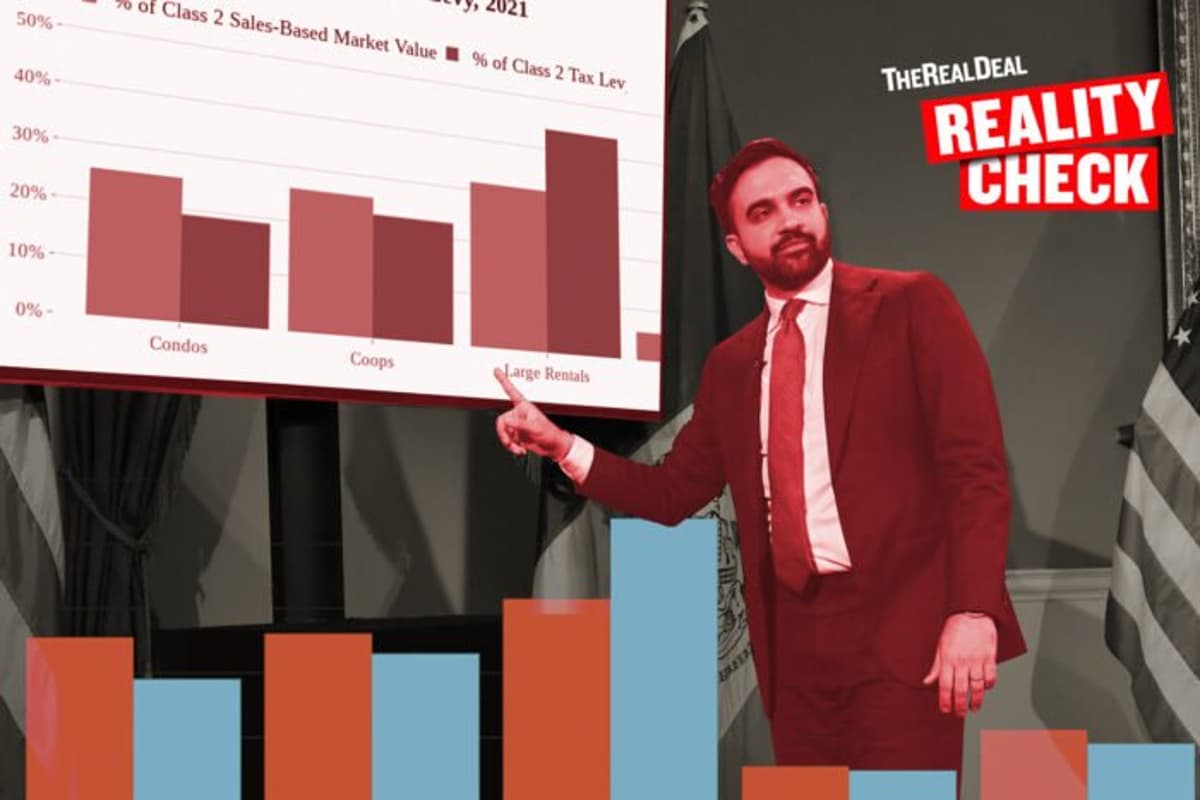
New York City’s property‑tax formula has long tilted in favor of single‑family owners, creating a fiscal wedge between small‑unit homeowners and the owners of high‑rise rentals. According to the latest Furman Center analysis, properties with three or fewer units generate roughly a quarter of the city’s sales‑based real‑estate value yet contribute only a tenth of the tax revenue. In contrast, large apartment buildings—accounting for nearly a third of the market’s value—shoulder 44% of the tax bill, a disparity that inflates landlords’ cost base and, by extension, the rent they charge tenants. This structural imbalance fuels ongoing debates about fairness and affordability in the city’s housing market.
Politically, homeowners wield disproportionate influence because they vote more consistently and move less, while tenant groups, though vocal, focus on rent‑stabilization and legal protections rather than tax policy. Tenants often view lower property taxes as a landlord perk that could translate into higher rents if landlords redirect savings elsewhere. Mayor Zohran Mamdani, who campaigned on a progressive agenda, now faces the challenge of aligning tenant interests with a tax reform that could relieve pressure on large landlords without alienating his base. His window of opportunity narrows as the state legislature prepares to reconvene in January, prompting stakeholders to lobby for swift action.
If the mayor succeeds in narrowing the tax gap, landlords of sizable buildings may see operating expenses drop, potentially easing rent growth rates that have historically been tied to tax burdens—some estimates suggest taxes account for up to 30% of rent. However, any reform must balance revenue needs for city services with the goal of housing affordability. A calibrated approach could set a precedent for other high‑cost cities grappling with similar inequities, while a misstep might exacerbate tensions between tenants, landlords, and policymakers.
Why tenants never protest high property taxes
Comments
Want to join the conversation?
Loading comments...