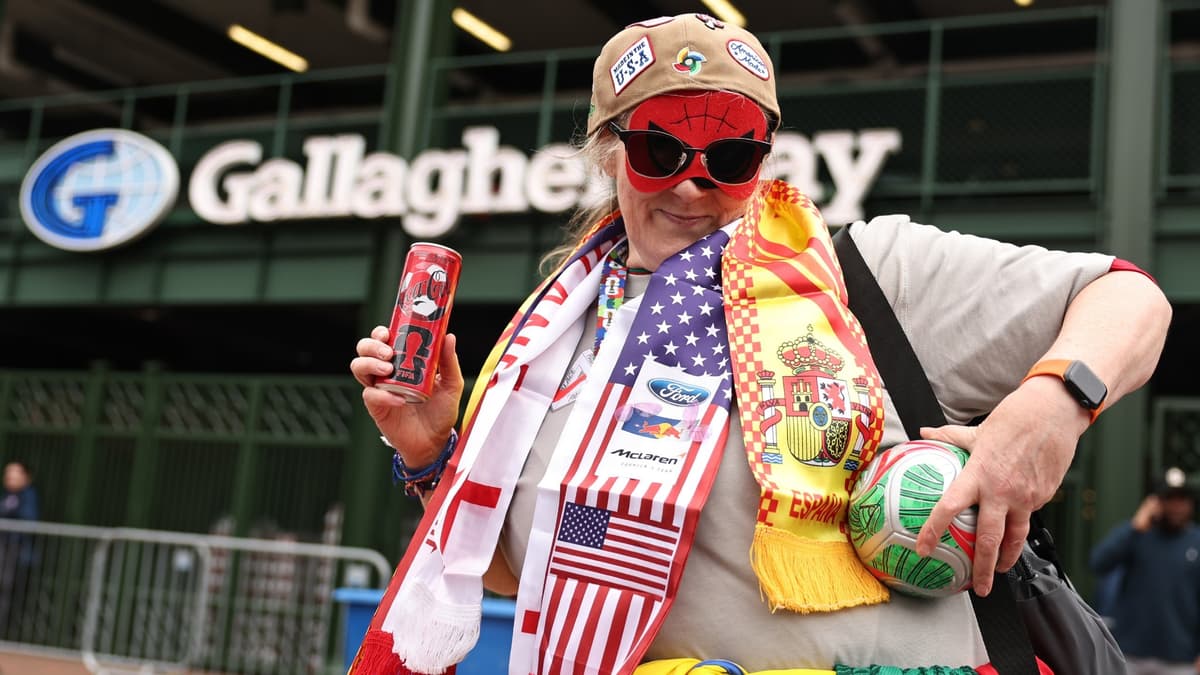
World Cup Host Cities See Vacation Rental Bookings Surge up to 58% During Tournament
Why It Matters
The booking boom underscores strong consumer spending on travel, bolstering the short‑term rental sector and local economies before the World Cup. It also reveals how city policies can reshape rental demand patterns.
Key Takeaways
- •June/July U.S. short‑term rentals up 15%‑17% YoY
- •Host cities see average 66% booking increase, Miami 58.4% rise
- •Match‑day spikes reach 244% in Miami, 108% in Jersey/Newark
- •NYC restrictions shift demand to neighboring Jersey City and Newark
- •FIFA expects $17.2 B economic boost and 185k jobs from tournament
Pulse Analysis
The 2026 FIFA World Cup is turning the United States into a global travel magnet, and short‑term rental platforms are feeling the pressure. AirDNA’s March 2026 report shows national June and July bookings already outpacing 2025 by double digits, while host cities such as Miami, Dallas, and Kansas City are experiencing demand jumps of 45% to 58% year‑over‑year. These figures reflect not only the tournament’s draw but also a broader summer travel rebound, as warmer weather and pent‑up demand push vacation‑rental occupancy to new highs.
Investors and property owners should note the pronounced volatility around match days. Miami’s bookings surged 244% on the Brazil‑Scotland game, and Jersey City/Newark saw a 108% increase for the final at MetLife Stadium. Such spikes create lucrative short‑term revenue windows but also raise operational challenges, from pricing strategy to compliance with local regulations. New York’s crackdown on rentals under 30 days has already redirected traffic to adjacent markets, highlighting how municipal policy can quickly reshape supply dynamics and affect investor returns.
Beyond the rental market, FIFA estimates the World Cup will inject $17.2 billion into the U.S. economy and support 185,000 full‑time jobs, comparable to the impact of ten Super Bowls. This economic infusion will ripple through hospitality, transportation, and retail sectors, offering ancillary opportunities for businesses that can capture the influx of 5 million fans. Stakeholders should prepare for sustained demand through the tournament’s June‑July window and consider longer‑term positioning as the U.S., Canada, and Mexico co‑host future events.
World Cup Host Cities See Vacation Rental Bookings Surge up to 58% During Tournament
Comments
Want to join the conversation?
Loading comments...