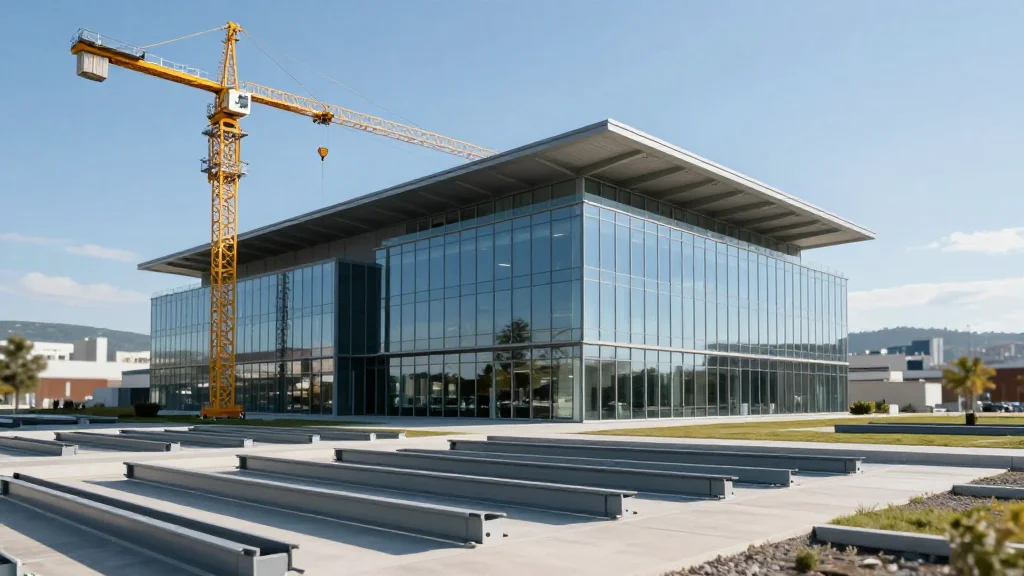
Yakima City Council Approves Funding for Hogback Commercial Project in West Yakima

Why It Matters
The Hogback development marks a strategic shift for Yakima, moving the city toward a more diversified, service‑oriented economy. By adding substantial office and retail space, the project aims to attract businesses that have historically bypassed smaller markets, thereby expanding the municipal tax base and reducing reliance on seasonal agricultural revenues. Moreover, the council’s emphasis on water‑conservation measures reflects a growing awareness of climate‑related constraints that could shape future development approvals across the Pacific Northwest. If successful, the project could serve as a template for other mid‑size cities seeking to balance growth with sustainability. The inclusion of community‑benefit provisions also signals a trend toward more inclusive development practices, potentially easing resident concerns about gentrification and traffic congestion while delivering tangible economic benefits.
Key Takeaways
- •Yakima City Council unanimously approved funding for the Hogback commercial development in West Yakima.
- •The project will add roughly 250,000 sq ft of office space and 150,000 sq ft of retail.
- •Developers project 500 construction jobs and 200 permanent positions.
- •Funding combines municipal bonds with state development grants; exact amount not disclosed.
- •Developers pledged water‑efficient design and a community benefits agreement for local businesses.
Pulse Analysis
Yakima’s decision to back the Hogback project reflects a broader regional trend where smaller cities leverage public‑private partnerships to attract office and retail tenants traditionally drawn to larger metros. The unanimous council vote eliminates political uncertainty, allowing developers to lock in financing and move quickly on site work. Historically, Yakima’s commercial real‑estate market has lagged behind neighboring jurisdictions, leaving a supply gap that has forced local firms to lease space in older, less efficient buildings. By delivering a modern, mixed‑use campus, the city can improve its competitive positioning and retain talent that might otherwise relocate.
The water‑conservation component is a critical differentiator. As drought conditions tighten water allocations across the West, municipalities that embed sustainability into development approvals will likely face fewer regulatory hurdles and enjoy stronger community support. The developers’ commitment to low‑flow fixtures and xeriscape landscaping not only mitigates risk but also aligns with state incentives for water‑wise construction, potentially unlocking additional grant funding.
Looking ahead, the success of the Hogback development will hinge on the ability to attract anchor tenants and maintain a balanced tenant mix. If the project secures a regional corporate office or a national retailer, it could catalyze a cascade of ancillary investments, from hotels to transit upgrades. Conversely, an overreliance on speculative retail could expose the project to market volatility, especially if consumer spending trends shift. The council’s oversight mechanisms—quarterly progress reports and a traffic‑impact study—provide a framework to adjust course as needed, ensuring that the development delivers on its economic promises while safeguarding community interests.
Yakima City Council Approves Funding for Hogback Commercial Project in West Yakima
Comments
Want to join the conversation?
Loading comments...