Why It Matters
Yard House demonstrates how mid‑size urban sites can be transformed into high‑impact hospitality destinations, signaling renewed investment in French city‑center dining experiences. The design’s emphasis on flexibility and sustainability sets a benchmark for future commercial projects in dense European markets.
Key Takeaways
- •1,600 m² footprint maximizes limited urban lot
- •Modern façade integrates glass, metal, and reclaimed brick
- •Open‑plan interior supports versatile dining configurations
- •Sustainable systems target net‑zero operational energy
- •Exbrayat’s design reinforces its reputation in European hospitality
Pulse Analysis
The Yard House project, designed by Exbrayat Enrico architectes, illustrates a shift toward adaptive, high‑density hospitality concepts in French metropolitan areas. At 1,600 m², the building occupies a compact parcel in Montreuil, yet the architects have leveraged vertical space and a transparent envelope to create a sense of openness. By employing a mix of glass curtain walls and reclaimed brick, the design respects the industrial heritage of the neighborhood while delivering a contemporary aesthetic that appeals to both locals and visitors. This approach aligns with broader European trends where developers seek to revitalize underused urban sites without sacrificing architectural ambition.
Sustainability is a core pillar of the Yard House design. The project incorporates passive solar shading, high‑performance insulation, and a building‑integrated HVAC system that targets net‑zero operational energy consumption. Water‑saving fixtures and a rooftop green terrace further reduce the environmental footprint, positioning the venue as a model for eco‑conscious hospitality. These features not only meet tightening French energy regulations but also resonate with increasingly environmentally aware diners, offering a competitive edge in a crowded market.
From a business perspective, Yard House represents a strategic investment in the post‑pandemic dining landscape. Montreuil’s proximity to Paris and its growing residential population provide a ready customer base, while the flexible interior layout allows the operator to pivot between casual dining, private events, and pop‑up concepts. Exbrayat Enrico architectes’ reputation for delivering functional yet striking commercial spaces enhances the project's marketability, potentially attracting premium tenants and boosting the area's economic vitality. The development underscores how thoughtful architecture can drive both cultural relevance and financial performance in urban hospitality.
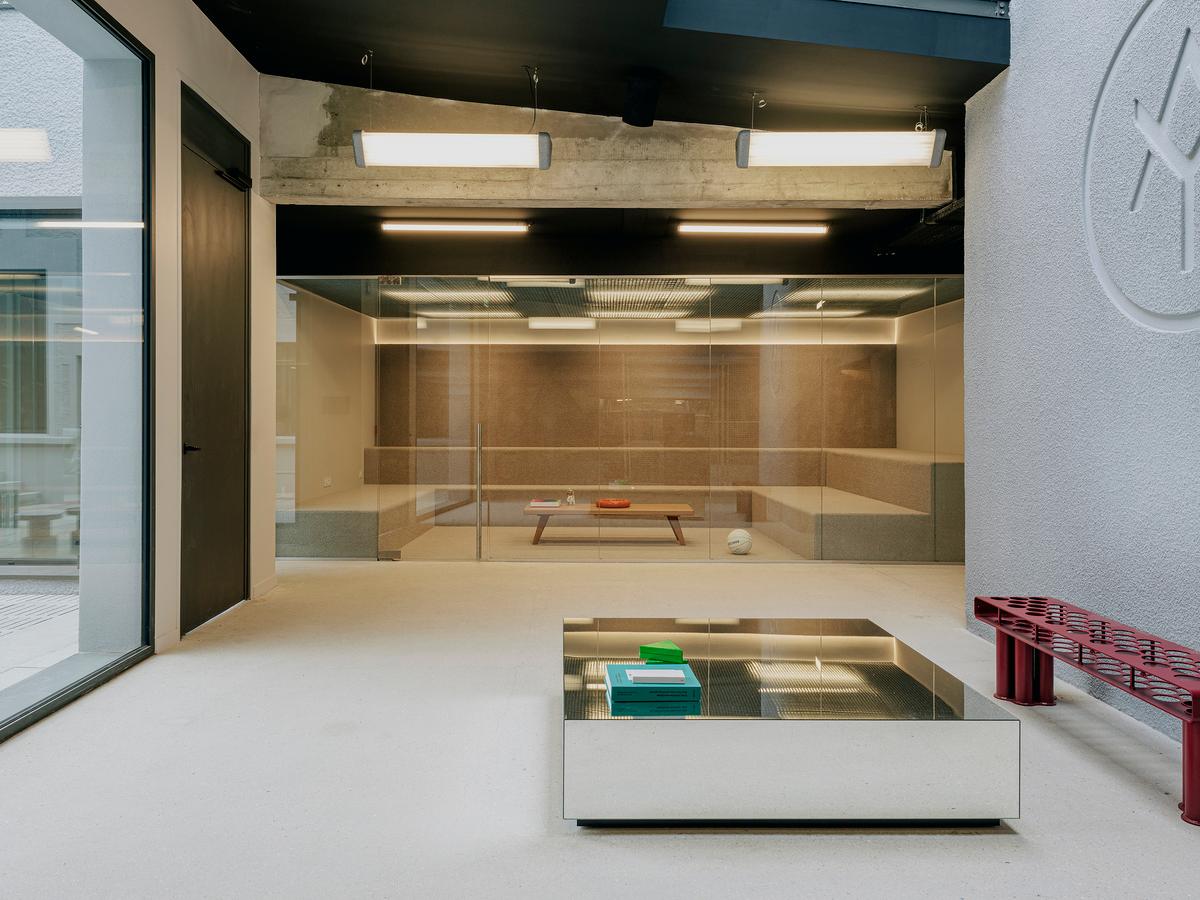
Yard House / Exbrayat Enrico architectes
Comments
Want to join the conversation?
Loading comments...