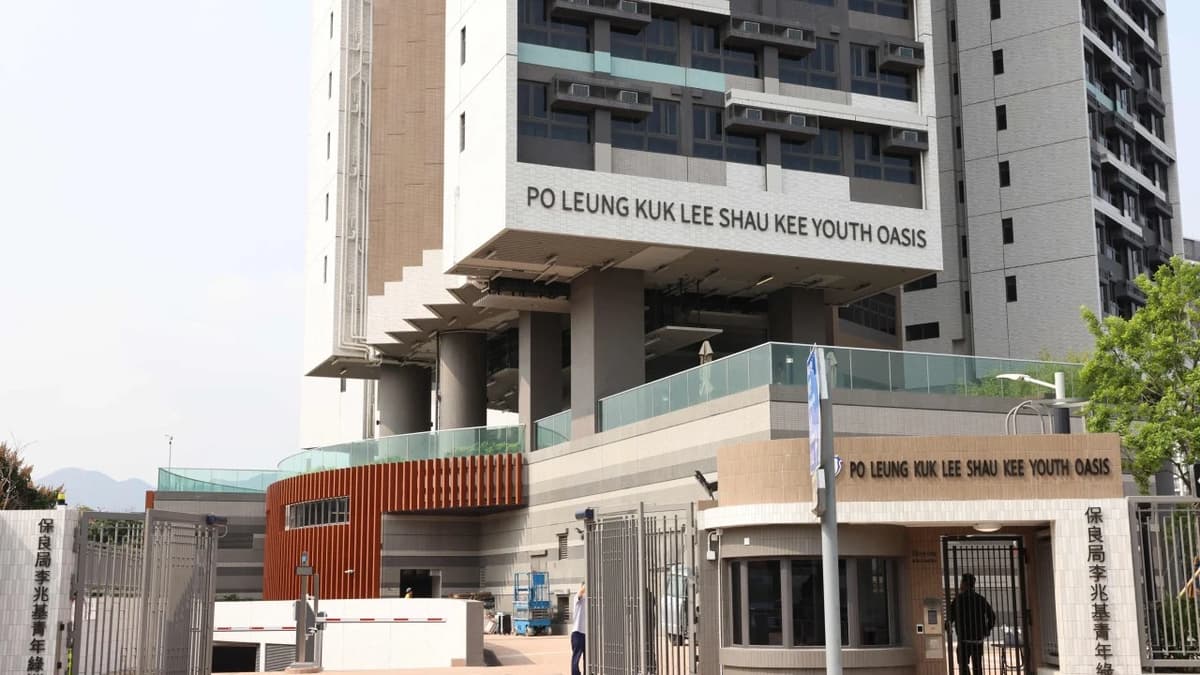
Youth Hostel Scheme Falls Short as only 44% of Expected Flats Offered: Audit
Why It Matters
The shortfall exposes weaknesses in Hong Kong’s public‑private housing model, limiting affordable options for the city’s young workforce and risking public confidence in government‑NGO collaborations.
Key Takeaways
- •Only 44% of targeted 3,000 hostel flats delivered
- •Five hostels delayed 3–11 years beyond original schedules
- •Ventilator procurement cost up to four times market price
- •Vacant rooms persist despite waiting list, average 10‑month wait
Pulse Analysis
The Youth Hostel Scheme was introduced in Hong Kong’s 2011‑12 policy address to convert underused NGO sites into affordable accommodation for working young adults. The government fully funds construction while NGOs operate the hostels on a self‑financing basis, aiming for 3,000 units across seven facilities. This model was intended to alleviate the city’s chronic housing shortage and provide a stepping‑stone for youth entering the labor market.
The Audit Commission’s recent review paints a starkly different picture. As of December 2025, only two hostels – HKFYG Youth Hostel PH2 in Tai Po and Po Leung Kuk Lee Shau Kee Youth Oasis in Yuen Long – are operational, offering 1,326 flats, just 44% of the original target. Five hostels lag behind schedule by three to 11 years, and the government failed to secure funding approvals for their construction. Procurement lapses also emerged, with one NGO spending HK$9,400 (≈US$1,200) per thermo‑ventilator versus a market price of roughly HK$2,300 (≈US$300). Meanwhile, rooms remain vacant despite a waiting list, and applicants wait an average of ten months for allocation.
The shortfall has broader implications for Hong Kong’s affordable‑housing agenda. It highlights the risks of relying on NGOs without robust monitoring and raises questions about the efficacy of public‑private partnerships in delivering timely, cost‑effective solutions. The audit’s recommendations – revisiting the 3,000‑unit target, tightening procurement controls, and improving occupancy monitoring – could reshape future housing initiatives and restore confidence in the government’s ability to address youth housing needs. Stakeholders will be watching closely as the Home and Youth Affairs Secretary considers these reforms.
Youth hostel scheme falls short as only 44% of expected flats offered: audit
Comments
Want to join the conversation?
Loading comments...