Zimbabwe’s Diaspora Reshapes Real Estate and Farming Investment Trends
Why It Matters
The trend creates a new capital stream that can mitigate Zimbabwe’s high unemployment and stimulate rural development, while deepening the economic bond between the country and its diaspora.
Key Takeaways
- •Diaspora buyers now account for up to 50% of high‑end home sales.
- •Land prices in key regions rose 20‑30% year‑on‑year.
- •About 10‑15% of new farm leases involve diaspora investors.
- •Influencers Chitima and Birioti guide diaspora investment via social media.
- •Remittances projected $2.45 billion in 2025, fueling local projects.
Pulse Analysis
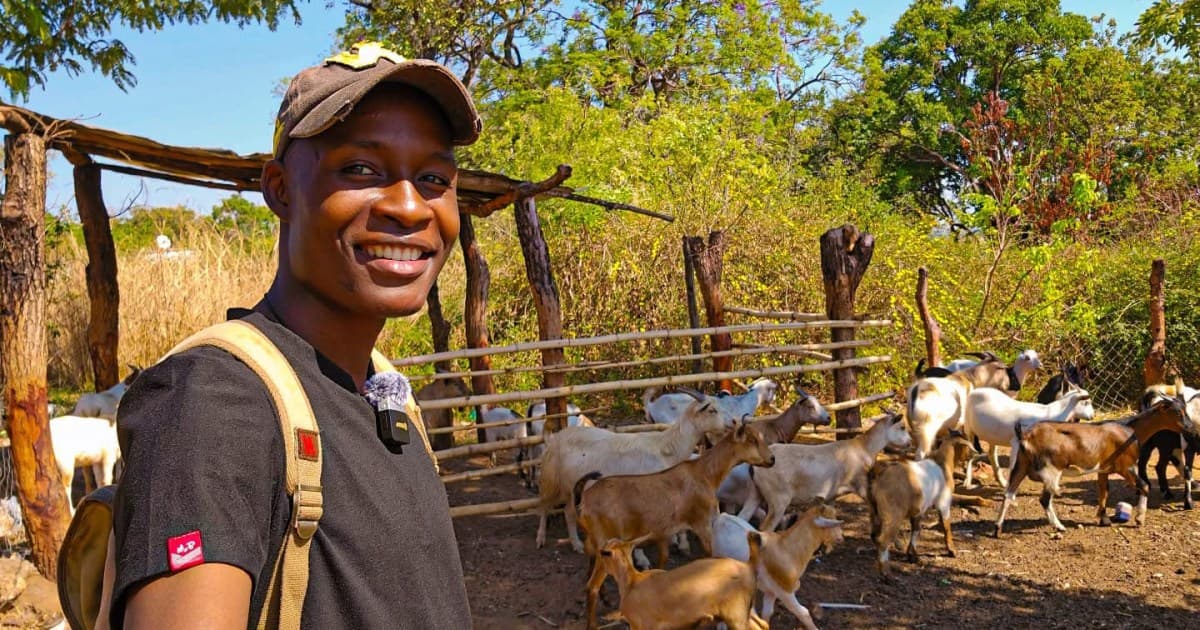
Social media has become a powerful conduit for Zimbabwe’s overseas community, turning ordinary content creators into de‑facto investment advisors. Kundai Chitima and Kelvin Birioti fill a long‑standing information gap, offering on‑the‑ground perspectives that contrast with traditional, often pessimistic narratives about the country’s economy. Their videos combine property walkthroughs, farming tutorials, and market trend analysis, giving diaspora investors confidence to allocate capital toward housing projects and agricultural ventures they might otherwise avoid.
The financial implications are measurable. Real‑estate agents report that diaspora buyers now account for roughly 50% of high‑end residential transactions, while land values in Mashonaland Central and Matabeleland have climbed 20‑30% year‑on‑year. The Zimbabwe Farmers Union notes that 10‑15% of new farm leases are secured by overseas investors, injecting modern agribusiness practices into a sector long dominated by subsistence farming. Coupled with remittances projected at $2.45 billion in 2025, these flows represent a tangible source of foreign‑origin capital that can support job creation and infrastructure development.
Policymakers face both opportunity and risk. Encouraging transparent, diaspora‑focused investment channels could help alleviate the nation’s 21.8% unemployment rate and reduce reliance on informal labor. However, the influx of capital must be matched with stable regulatory frameworks to prevent asset bubbles and ensure that benefits reach broader communities. As influencers continue to shape perceptions, credible information and supportive policies will be essential to harness this diaspora momentum into sustainable economic growth.
Zimbabwe’s diaspora reshapes real estate and farming investment trends
Comments
Want to join the conversation?
Loading comments...