Where We Buy: Retail Real Estate with James Cook
Turning Vacant Retail Into Fantasy Worlds with Mike Bennett Studios - Where We Buy #382
Why It Matters
The conversation highlights a scalable blueprint for revitalizing vacant retail properties through immersive, experience‑driven concepts that attract diverse audiences and increase dwell time. As malls and storefronts across the U.S. struggle with vacancies, Wonderwood’s blend of art, entertainment, and community programming offers a timely, profitable alternative for developers and city planners.
Key Takeaways
- •Immersive fantasy retail draws 30,000 visitors in 30 days.
- •Custom soundtracks and characters create unique, repeatable experiences.
- •Digital waitlist extends foot traffic to neighboring local businesses.
- •Affordable, ADA‑accessible design appeals to families and adults alike.
- •Concept scalable to tier‑2 markets lacking zoos or aquariums.
Pulse Analysis
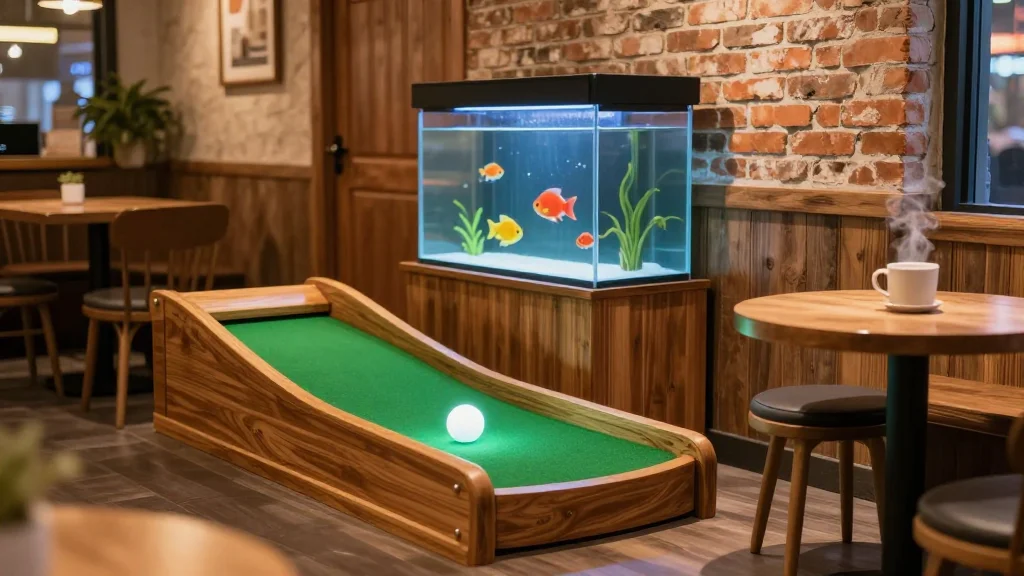
Mike Bennett’s Wonderwood transforms vacant retail into a fully immersive fantasy world, blending a medieval‑themed cafe, hand‑painted indoor mini‑golf, and a cartoon aquarium. Every surface is hand‑crafted, original soundtracks echo through each zone, and live characters—clowns, a rat king, and a bard—drive storytelling that feels like stepping into a 90s cartoon. This experiential retail model goes beyond décor; it creates a destination where guests linger, explore, and return for new narratives, positioning Wonderwood as a benchmark for immersive, art‑driven concepts.
From a business perspective, the venue’s digital waitlist turns long mini‑golf queues into a catalyst for neighborhood commerce. While guests wait, they wander to nearby bookstores, mom‑and‑pop shops, and pop‑up markets, extending dwell time and boosting foot traffic for surrounding retailers. Frequent events—trivia, story time, maker fairs—keep the calendar full, while an all‑day, pub‑style menu caters to both breakfast crowds and evening diners. ADA‑accessible design, affordable pricing, and free‑pass initiatives broaden appeal, making the space a true third‑place for families and adults alike.
The concept’s scalability is evident in its social media reach—over two million followers—and its ability to fill market gaps, such as Portland’s lack of an aquarium. By repurposing underused buildings like former banks, the model offers a repeatable template for tier‑two and tier‑three cities seeking unique, experience‑based attractions. Partnerships with real‑estate owners or licensing agreements could embed Wonderwood‑style venues into lifestyle centers, delivering community‑centric entertainment that drives repeat visitation and diversified revenue streams.
Episode Description
Mike Bennett was an unemployed artist in Portland, Oregon when he created a public art project that captured the imagination of the city during the pandemic. He then created art popups in increasingly large retail spaces, then Wonderwood Indoor Mini Golf & Cafe, and then The Portland Aquarium, an indoor cartoon aquarium. Bennett and his business partner Teddy Albertson discuss these spaces, their plans for their new Zooquarium brand, and how they're turning vacant retail spaces into community-driven immersive destinations that are getting national attention.
James Cook is the Director of Retail Research in the Americas for JLL.
Subscribe: Apple Podcasts | Spotify
Listen: WhereWeBuy.show
Email: jamesd.cook@jll.com
YouTube: http://everythingweknow.show/
Read more retail research here: http://www.us.jll.com/retail
Theme music is Run in the Night by The Good Lawdz, under Creative Commons license.
Comments
Want to join the conversation?
Loading comments...