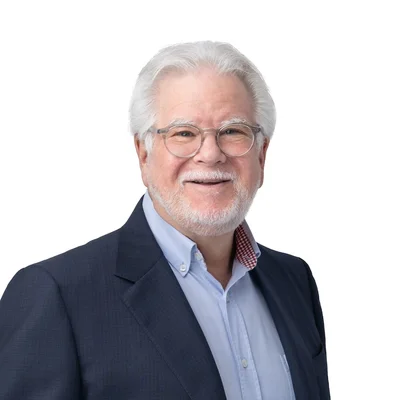
The Tax Questions, Answered by Ken Raiss
Why It Matters
Effective ownership structures prevent tax leakage and protect high‑value assets, essential for sustainable wealth growth.
Key Takeaways
- •Simple trust purchases often hide costly structural mistakes.
- •Property investing requires business‑grade ownership structures, not minimalism.
- •Choose flexible structures aligned with long‑term wealth goals.
- •Reworking existing structures can be time‑consuming and expensive.
- •Subscribe for bi‑weekly insights on wealth protection and growth.
Summary
Ken Raiss explains that building wealth is only half the battle; the other half lies in protecting it through proper tax and ownership structures. He emphasizes that property investing is a high‑stakes business, not a hobby, and that investors often make the mistake of buying assets within a trust without considering the long‑term implications.
The core insight is that simplicity can be dangerous. Raiss warns that a “keep it simple” mindset leads to costly restructuring later, as trusts and other entities may lack the flexibility needed for evolving wealth goals. He advises selecting a structure that maximizes adaptability and then working backwards to align it with the investor’s overall financial journey.
Notable quotes include, “You don’t want a simple solution unless it absolutely works to solve something critical,” and, “Pick a structure that creates maximum flexibility for where you want your wealth journey to take you.” These statements underscore the need for strategic planning rather than ad‑hoc decisions.
For investors, the implication is clear: proper structuring can safeguard assets, reduce tax exposure, and streamline future transitions. Raiss’s advice encourages proactive design of ownership entities, positioning investors to preserve and grow wealth efficiently.
Comments
Want to join the conversation?
Loading comments...