Maersk Restarts Red Sea Transits Amid Vessel Shortage
Key Takeaways
- •Maersk's first Red Sea voyages in three months
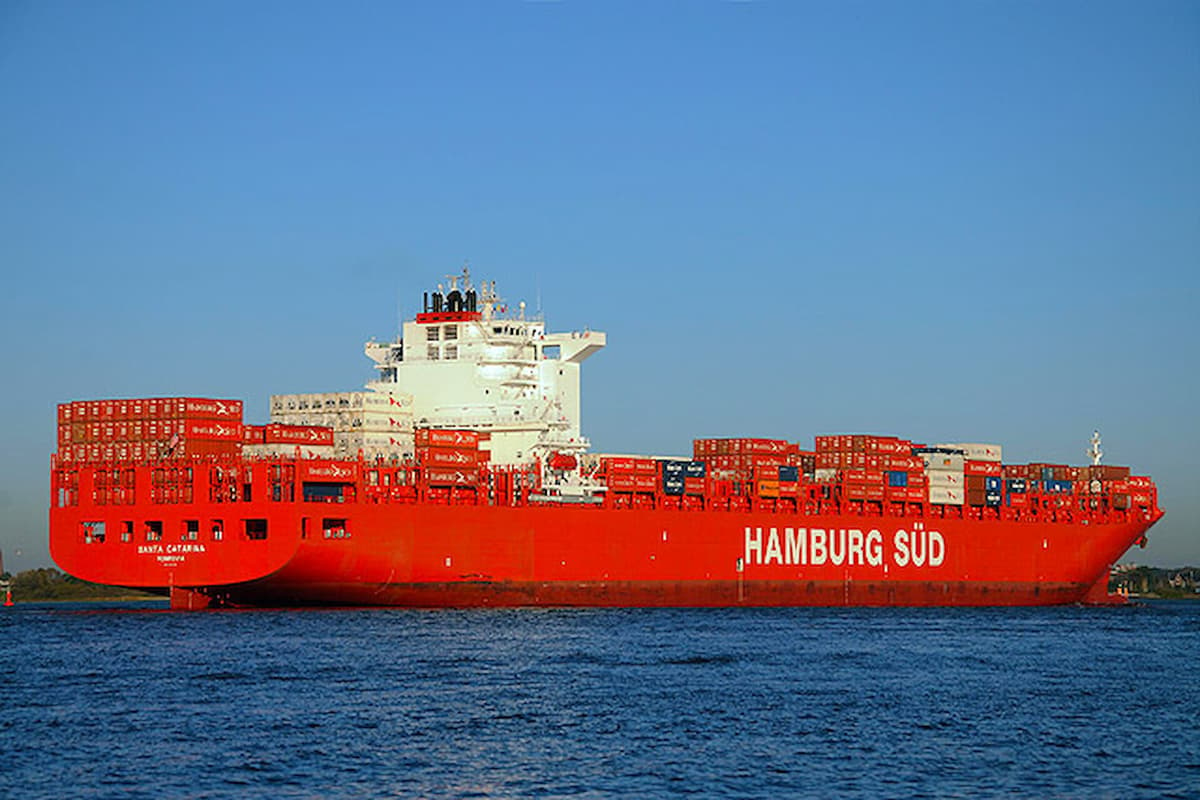
- •Vessels: 7,154‑TEU Santa Catarina and 8,648‑TEU Clementine
- •Global charter rates have surged amid vessel scarcity
- •Limited tonnage keeps freight costs elevated for shippers
Pulse Analysis
The Red Sea corridor has been a flashpoint for global supply chains since mid‑2023, when Houthi missile attacks forced carriers to reroute around the Cape of Good Hope. That detour added weeks to transit times and strained an already tight container market, driving up freight indices and prompting a scramble for available slots. Industry analysts estimate that the disruption has shaved roughly 10‑15% off global container vessel capacity, amplifying price volatility across Asia‑Europe lanes.
Maersk’s decision to send the 7,154‑TEU Santa Catarina and the 8,648‑TEU Clementine through Bab el‑Mandeb reflects a calculated risk‑return assessment. While charter rates for ultra‑large vessels have spiked above $30,000 per day, the Danish carrier is leveraging its own fleet to capture premium pricing and restore service reliability for key customers. The move also underscores a broader trend: carriers are increasingly willing to accept higher operational risks to meet demand, especially as alternative routes prove cost‑inefficient.
For shippers, the restart offers a modest relief but does not erase the underlying capacity crunch. Freight forwarders must still navigate limited slot availability and negotiate steep surcharges, which could compress margins for import‑export firms. Looking ahead, the market will watch whether Maersk’s re‑entry prompts other lines to follow suit, potentially stabilizing rates, or if persistent vessel shortages keep the Red Sea a high‑cost chokepoint for the foreseeable future.
Maersk restarts Red Sea transits amid vessel shortage
Comments
Want to join the conversation?