Key Takeaways
- •Diesel price averaged $3.90/gal since Jan 2020, peaked $5.81.
- •1 mpg gain saves ~$12,000 annually on 120k‑mile routes.
- •Incremental driving habits, maintenance, and aerodynamics improve fuel economy.
- •Monitoring fuel usage can reveal hidden cost‑saving opportunities.
- •No single fix; combine multiple small efficiencies for best results.
Pulse Analysis
Rising diesel costs have become a headline concern for independent truckers, with the average price hovering around $3.90 per gallon and occasional spikes above $5.80. For a typical power unit covering 120,000 miles a year, fuel can consume a sizable share of revenue, making every mile per gallon a critical lever. Understanding the financial impact of a single MPG improvement—roughly $12,000 in annual savings—helps operators prioritize efficiency measures alongside traditional cost controls.
The path to better mileage lies in a series of modest, actionable steps rather than a single technological breakthrough. Smooth acceleration and deceleration, maintaining optimal tire pressure, and reducing idle time can each shave fractions of a gallon per mile. Regular engine tune‑ups, clean air filters, and using low‑viscosity lubricants ensure the powertrain runs at peak efficiency. Aerodynamic enhancements such as roof fairings, side skirts, and streamlined trailer designs reduce drag, while route optimization software cuts unnecessary mileage. Together, these practices create a compounding effect that pushes fuel consumption down without major capital outlay.
Beyond immediate cost reductions, improved fuel economy supports broader industry goals, including lower emissions and compliance with tightening environmental regulations. Operators who embed efficiency into daily operations position themselves for long‑term resilience as fuel markets fluctuate. Moreover, the data gathered from telematics and fuel‑tracking platforms can inform future investments, from hybrid powertrains to alternative fuels. In a market where margins are thin, the cumulative impact of these incremental gains can be the difference between profitability and loss, underscoring why diesel MPG matters to every owner‑operator today.
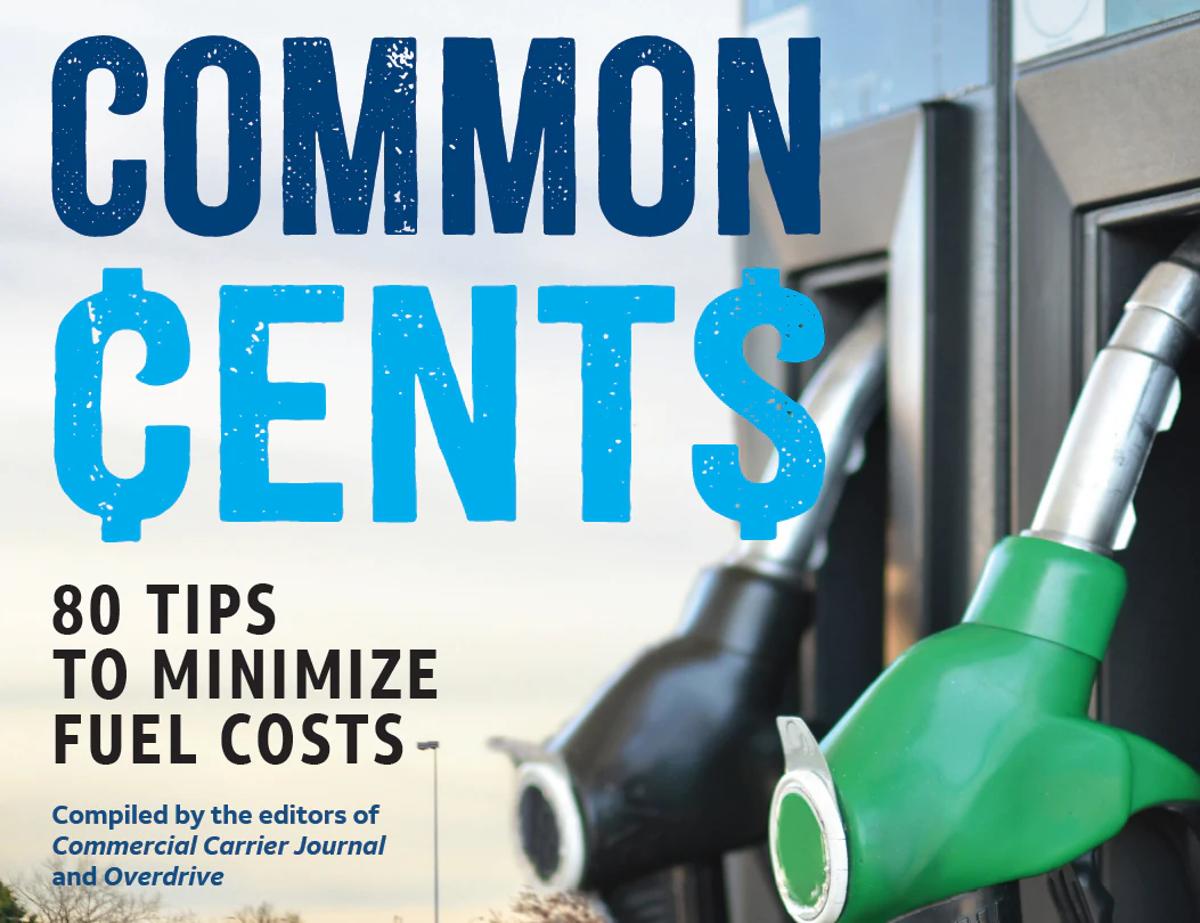
80 ways to boost your diesel's MPG
Comments
Want to join the conversation?