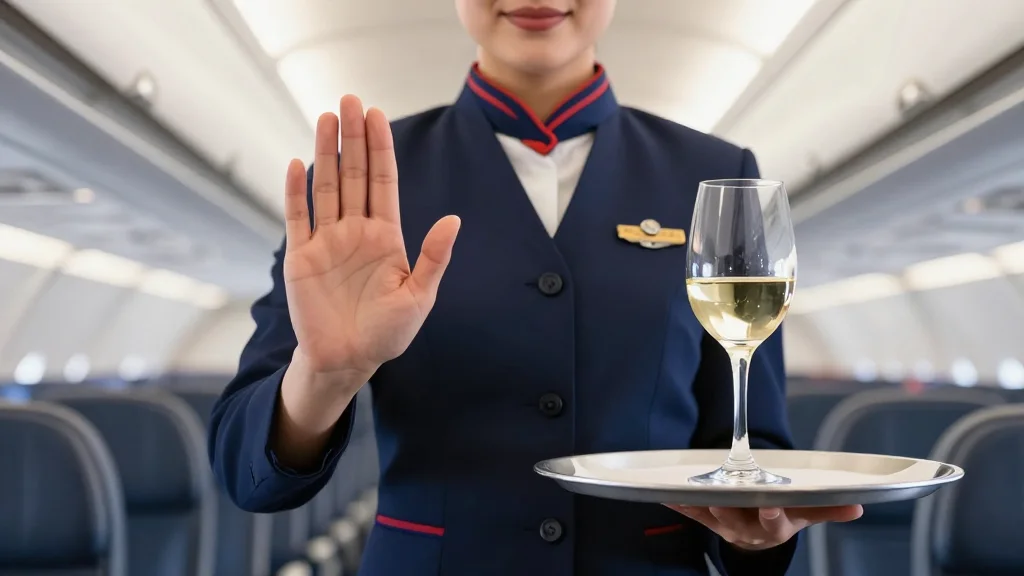
Alaska Airlines Faces $165,000 Fine For Allowing Intoxicated Passengers On Board Its Planes
Key Takeaways
- •FAA proposes $165,000 civil penalty for Alaska Airlines
- •Violations occurred on 11 flights between Feb 2024‑Feb 2025
- •Airline added enhanced training for flight attendants and agents
- •Serves remote Alaskan villages where alcohol is banned, increasing risk
- •Past incidents include drug‑induced hallucinations and emergency‑exit attempts
Pulse Analysis
The FAA’s enforcement action against Alaska Airlines is notable because civil penalties for intoxicated passengers are rare. Regulation 14 CFR § 121.575(c) explicitly bars carriers from boarding anyone who appears intoxicated, and the agency reserves the right to levy fines when airlines fall short. By citing 11 separate incidents over a year, the FAA signals that even sporadic lapses can trigger substantial monetary consequences, reinforcing the importance of robust pre‑boarding checks and crew vigilance.
Alaska Airlines faces a unique operational dilemma: it serves dozens of isolated communities where alcohol is either heavily restricted or outright banned. For residents, a single flight may represent the only legal opportunity to consume alcohol for weeks or months, creating a predictable surge in in‑flight intoxication risk. The airline’s response—enhanced training for flight attendants and customer‑service agents—aims to identify and intervene earlier, but the challenge remains balancing cultural sensitivities with safety mandates. Incidents like the November 2024 case, where a passenger from a dry village became violent mid‑flight, illustrate the real‑world stakes.
Industry‑wide, the Alaska case may prompt carriers to revisit their own intoxication policies, especially those operating in similar remote or regulatory‑tight environments. Airlines could invest in more sophisticated screening technologies, stricter alcohol service limits, or partnerships with local authorities to pre‑empt problem behavior. Beyond compliance, the reputational fallout from allowing intoxicated passengers can erode consumer confidence, making proactive safety measures a competitive advantage. As regulators continue to prioritize passenger safety, airlines that demonstrate measurable improvements may avoid penalties and preserve brand integrity.
Alaska Airlines Faces $165,000 Fine For Allowing Intoxicated Passengers On Board its Planes
Comments
Want to join the conversation?