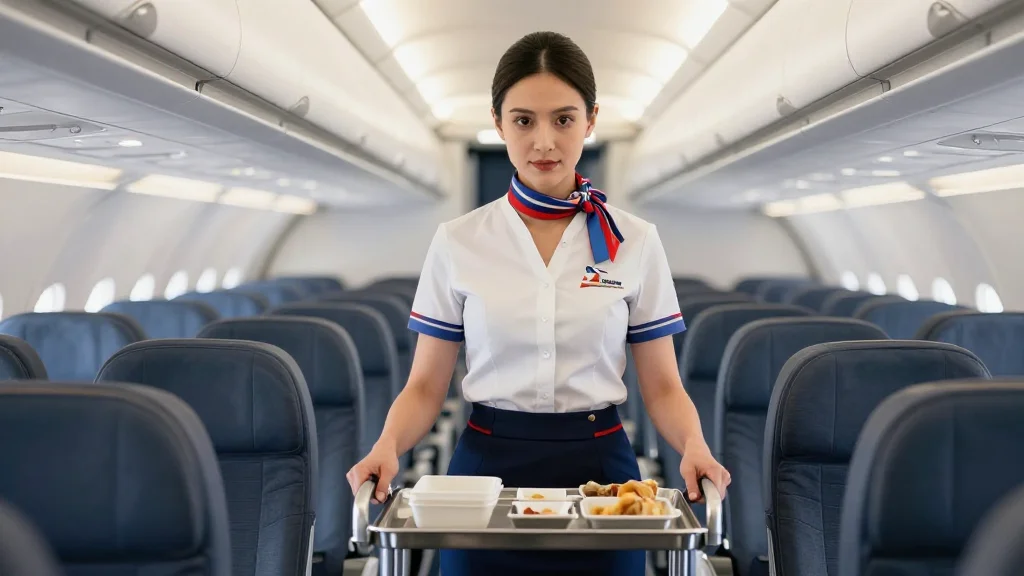
American Airlines Flight Attendants Say They Should Be Paid More For Working London Flights Due to Catering Mess
Key Takeaways
- •AA dropped its Heathrow catering contract, sparking a service disruption
- •Double‑catering forced crews to handle outbound and return meals on one flight
- •British Airways' Do&Co now supplies Business Class meals, improving passenger feedback
- •APFA filed a grievance demanding extra compensation for the added workload
Pulse Analysis
The loss of a long‑standing catering partner at London Heathrow threw American Airlines into a logistical scramble. Catering is a linchpin of the long‑haul experience, affecting everything from galley space to food safety. When the contract was abruptly suspended—amid reports of hygiene violations and even a photo of a dead rodent—AA was forced to double‑cater, loading meals for both legs of a round‑trip flight. This practice strains limited galley capacity, risks food spoilage, and adds considerable physical labor for flight attendants, who must manage heavier carts and more complex service sequences.
Labor unions quickly reacted. The Association of Professional Flight Attendants (APFA) filed a formal grievance, arguing that crews are now performing “significantly increased and often unpredictable” work without any staffing or pay adjustments. In an industry already grappling with pilot shortages and rising wage expectations, such grievances can translate into higher labor costs or even work‑to‑rule actions. The situation also highlights a broader trend: airlines increasingly face pressure to balance cost‑cutting measures—like renegotiating vendor contracts—with the need to maintain crew morale and service quality, especially on premium transatlantic routes that generate substantial revenue.
American’s stop‑gap partnership with British Airways’ Do&Co has already yielded positive passenger feedback for Business Class, suggesting a possible permanent solution. However, the airline must still resolve economy‑class catering and decide whether to secure a new long‑term supplier or retain the interim arrangement. The outcome will influence not only AA’s cost structure but also its competitive standing against rivals such as United and Delta, which have more stable catering ecosystems. Ultimately, the episode serves as a cautionary tale for carriers: disrupting a critical support service can ripple through operations, labor relations, and brand perception, especially on a route that accounts for a quarter of all seats between Heathrow and the United States.
American Airlines Flight Attendants Say They Should Be Paid More For Working London Flights Due to Catering Mess
Comments
Want to join the conversation?