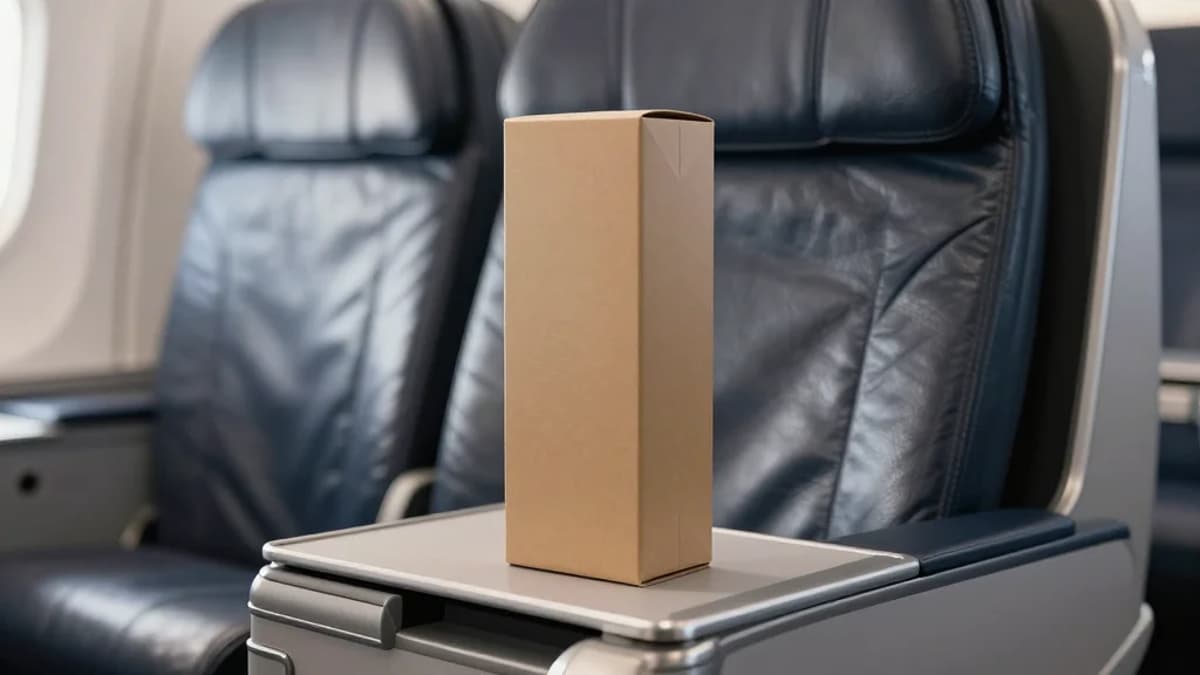
American Airlines’ ‘Premium Push’ Now Sees It Serving Boxed Wine On Flights From Its Biggest International Premium Destination
•March 6, 2026
0
Key Takeaways
- •Boxed wine replaces flagship wines on Heathrow routes
- •Catering meltdown forces double catering from United States
- •Bollinger champagne removed, replaced by cheap Cava
- •Potential hygiene issues raise safety concerns
- •Premium strategy jeopardized, could hurt competitive positioning
Summary
American Airlines’ high‑profile premium push has hit a snag as boxed wine appears in Flagship Business Class on flights to and from London Heathrow, its biggest international premium market. The change follows a week‑long catering meltdown that forced the airline to load all food and beverage supplies in the United States, a rare "double‑catering" practice for transatlantic routes. In addition, the carrier has dropped its Bollinger champagne partnership, substituting cheaper sparkling options. The situation has sparked speculation about hygiene lapses at its third‑party caterer, though the airline has offered no comment.
Pulse Analysis
American Airlines has spent years courting high‑value travelers with upgraded cabins, curated wine lists, and exclusive champagne partnerships. The recent substitution of boxed wine for premium selections on its Heathrow flights signals a stark deviation from that narrative, exposing how supply‑chain disruptions can quickly undermine brand positioning. Industry observers note that the airline’s reliance on a single third‑party caterer at a key hub amplified the risk, turning a logistical hiccup into a public relations challenge that rivals are poised to exploit.
The decision to "double‑cater"—loading all meals and beverages in the United States for both outbound and inbound legs—highlights the logistical strain of transatlantic service. Limited galley space and the need to preserve freshness make such an approach unusual, yet it was deemed necessary to avoid a complete loss of onboard service. This workaround, however, forces the airline to prioritize space‑efficient items like boxed wine, sacrificing the curated wine experience that premium passengers expect. The move also raises cost considerations, as pre‑positioned inventory can increase waste and handling expenses.
For American Airlines, the fallout extends beyond a single product swap. The removal of Bollinger champagne and the emergence of hygiene rumors threaten the perception of quality that underpins its premium strategy. Competitors Delta and United, which continue to promote robust catering programs, may capture disaffected customers seeking consistent luxury. To restore confidence, American will likely need to diversify its catering partners, enhance transparency around food safety, and reaffirm its commitment to premium amenities—steps essential for preserving market share on the lucrative US‑London corridor.
Comments
Want to join the conversation?