Anglo-Eastern Strengthens Fleet Security as Hormuz Disruption Continues
Key Takeaways
- •16 vessels and 350 crew affected by Hormuz closure.
- •GSD monitors 30‑50 ships in high‑risk zones at any time.
- •Risk areas include Red Sea, Bab el‑Mandeb, Gulf of Guinea.
- •GSD integrates intel from navies, flag states, P&I clubs.
- •Supports crisis response, crew welfare, provisioning during disruptions.
Pulse Analysis
The Strait of Hormuz has been effectively shut for four months, forcing vessels to reroute around the Cape of Good Hope or seek alternative passages. The detour adds days to voyages, inflates fuel consumption, and strains supply chains already pressured by pandemic recoveries and geopolitical tensions. Anglo‑Eastern, which operates a fleet of over 700 container ships, disclosed that 16 of its vessels and more than 350 seafarers from 12 nationalities are directly affected by the disruption. The prolonged closure also pressures charter rates as carriers scramble for limited slots.
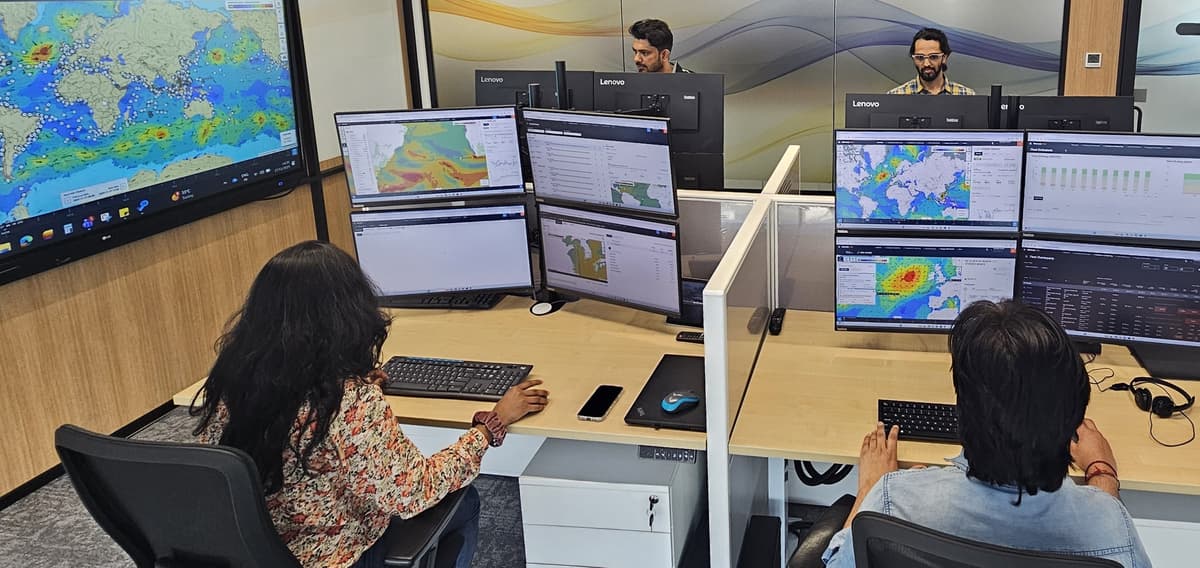
To mitigate these risks, Anglo‑Eastern relies on its Global Security Desk (GSD), a centralized hub launched in 2024 that fuses maritime intelligence from naval agencies, P&I clubs and flag states. The desk monitors hotspots beyond Hormuz—including the Red Sea, Bab el‑Mandeb, Gulf of Guinea, Somali coast, Malacca Strait and Black Sea—providing real‑time threat assessments and coordinating crisis response, crew welfare and provisioning. The GSD’s integration with digital platforms enables automated alerts and seamless information flow to on‑board bridge teams. By translating raw data into actionable guidance, the GSD helps captains decide whether to transit, delay or divert, preserving cargo integrity and crew safety.
The move underscores a broader industry shift toward proactive security operations as maritime threats multiply. Shipping lines are increasingly expected to embed intelligence services into daily logistics, a trend accelerated by the convergence of geopolitical flashpoints and criminal activity in regions like the Gulf of Guinea. Operators that can swiftly interpret and act on risk data stand to reduce insurance premiums, avoid costly delays and maintain reliability for shippers, positioning security as a competitive advantage in a volatile global trade environment. As insurers tighten underwriting criteria, documented security protocols like Anglo‑Eastern’s GSD become key criteria for lower premiums.
Anglo-Eastern strengthens fleet security as Hormuz disruption continues
Comments
Want to join the conversation?