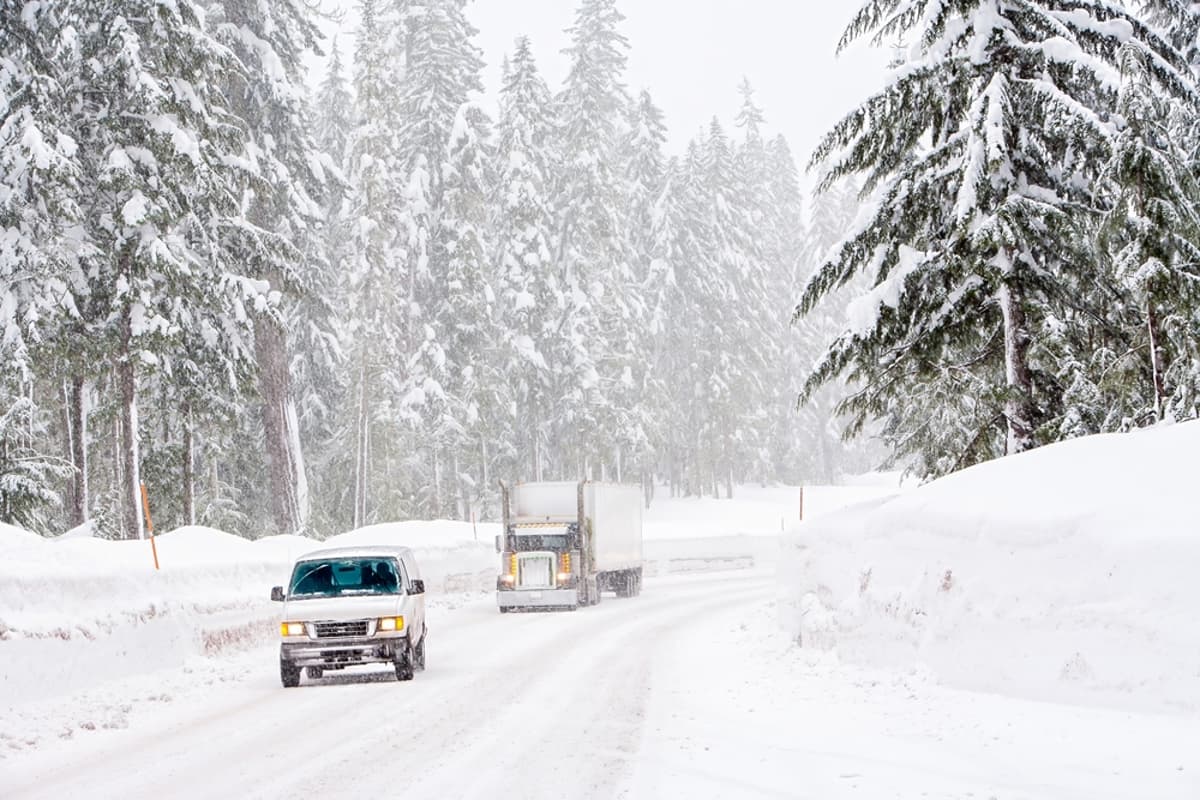
Avoiding Winter Pileups: How Truck Drivers Can Stay Safe on Icy Roads
Key Takeaways
- •Chain-reaction crashes involve 20‑25 collisions in seconds
- •Speeding and tailgating trigger rapid pileups on icy highways
- •Visibility under 50 feet sharply raises accident risk
- •Maintain extra following distance and avoid pack driving
- •If trapped, stay inside cab and call emergency services
Pulse Analysis
Winter pileups have evolved from isolated incidents into multi‑vehicle chain reactions that can involve two dozen trucks in a matter of seconds. The phenomenon is driven by a perfect storm of higher freight volumes, tighter delivery windows, and drivers who underestimate the loss of traction on snow‑covered pavement. When visibility drops below 50 feet, reaction times shrink dramatically, turning a single hard brake into a domino effect. Industry analysts note that each major pileup can halt interstate corridors for hours, inflating fuel costs, driver overtime, and supply‑chain disruptions.
To break the cascade, trucking firms are emphasizing defensive driving protocols that go beyond basic winter‑tire recommendations. Maintaining a minimum three‑second gap, activating hazard lights at the first sign of reduced sightlines, and avoiding the temptation to “draft” behind slower trucks are proven tactics. Modern telematics can alert drivers to sudden deceleration patterns ahead, while route‑optimization software helps planners select roads with lower exposure to wind‑blown snow. By positioning the rig in the right lane and identifying safe pull‑over spots before conditions deteriorate, drivers preserve both cargo integrity and personal safety.
The financial stakes of a pileup extend far beyond immediate vehicle damage. Insurance premiums rise, regulatory fines may be imposed, and delayed deliveries erode customer confidence. Companies that embed winter‑risk assessments into their operational dashboards see measurable reductions in incident rates and associated costs. Moreover, a culture that rewards cautious driving—such as bonus structures tied to safety metrics—reinforces the behavioral changes needed to curb chain‑reaction crashes. As climate patterns produce more erratic winter storms, proactive safety planning will become a competitive differentiator for carriers nationwide.
Avoiding Winter Pileups: How Truck Drivers Can Stay Safe on Icy Roads
Comments
Want to join the conversation?