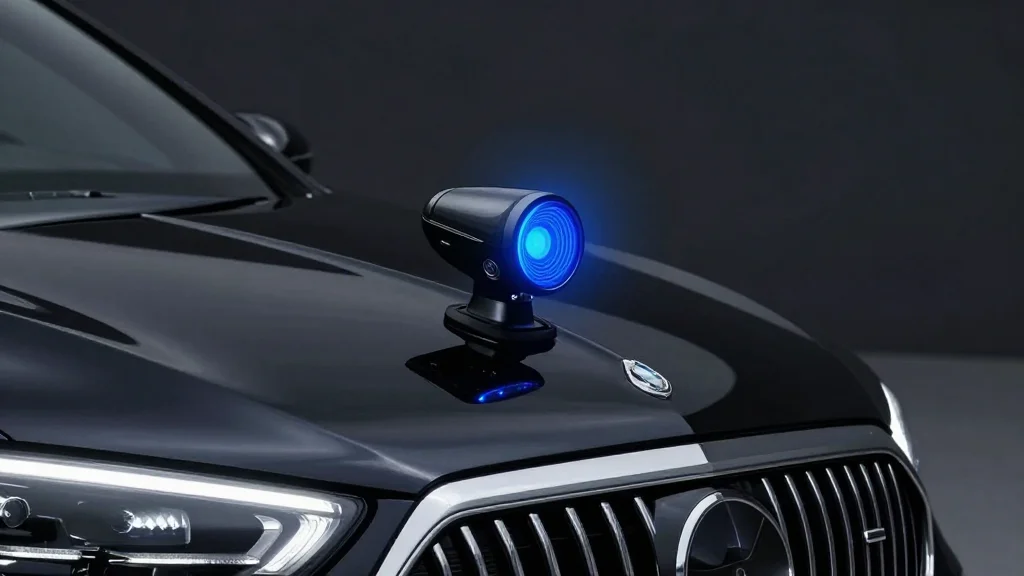
BMW and Mercedes Halt Level 3: Weekly Connected and Autonomous Vehicle News
Key Takeaways
- •BMW, Mercedes stop Level 3 development over cost, demand concerns
- •Tesla avoids Level 3, using cameras instead of expensive lidar
- •Industry sees shift toward cheaper sensor suites for near‑term autonomy
- •Consumers remain hesitant, slowing premium autonomous feature rollouts
- •Regulators may favor lower‑risk Level 2/3 systems pending safety data
Pulse Analysis
The recent suspension of Level 3 autonomous driving projects by BMW and Mercedes marks a pivotal shift in the luxury automotive sector. Level 3, which permits hands‑off driving under certain conditions, traditionally relies on costly lidar arrays and high‑precision mapping. Both manufacturers concluded that the price tag—often exceeding $10,000 per vehicle—and tepid consumer appetite made the technology financially untenable for near‑term mass deployment. This retreat forces OEMs to reconsider the cost‑benefit calculus of intermediate autonomy and to explore more affordable sensor configurations.
Tesla’s long‑standing strategy of eschewing lidar in favor of a vision‑only system now appears vindicated. By leveraging advanced neural networks and high‑resolution cameras, Tesla has delivered Level 2‑plus features without the heavy hardware burden. The market’s reaction suggests that a camera‑centric approach may set a new industry baseline, prompting rivals to accelerate development of software‑driven perception stacks while trimming hardware expenditures. Analysts predict that this could compress the timeline for broader adoption of semi‑autonomous features, as manufacturers chase the cost efficiencies demonstrated by Tesla.
Looking ahead, the halt of Level 3 initiatives may accelerate the push toward either more modest Level 2‑plus systems or a leapfrog to Level 4/5 solutions in controlled environments. Regulators, wary of safety implications, are likely to scrutinize any high‑risk deployments, favoring technologies with proven reliability and lower hardware complexity. Consequently, OEMs may allocate R&D funds toward scalable sensor suites, robust data pipelines, and partnerships that enhance mapping and V2X capabilities. The industry’s trajectory now leans toward pragmatic, cost‑effective autonomy that balances consumer expectations with realistic profitability.
BMW and Mercedes Halt Level 3: Weekly Connected and Autonomous Vehicle News
Comments
Want to join the conversation?