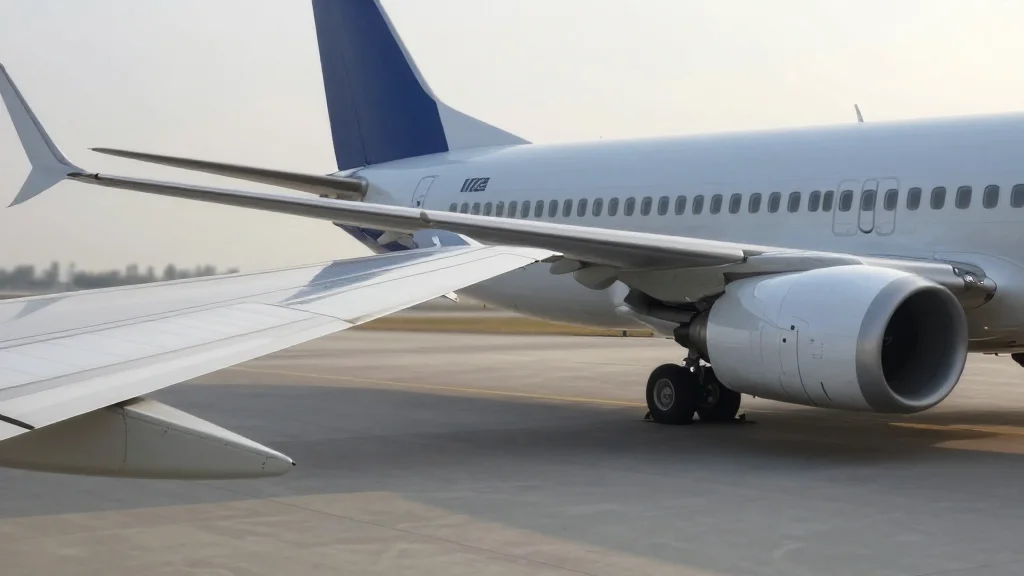
Boeing Employee Tells Why the Company Didn’t Develop the 757 Instead of the Older 737
Key Takeaways
- •757’s high thrust gear and landing gear added significant weight
- •Engine size and lack of new thrust‑clean designs raised costs
- •737NG’s larger wing and commonality cut purchase price 20%
- •Post‑9/11 airline bankruptcies slashed demand for niche 757 market
- •Most 757s remain in service, proving durability despite limited production
Pulse Analysis
The Boeing 757 entered service in 1983 as a high‑performance, narrow‑body jet designed to replace the aging 727. With a 228‑seat capacity, a 3,900‑nautical‑mile range and a fuel burn up to 80 % lower than the 727, the 757 quickly earned a reputation for strong climb rates, short‑field capability, and reliable operations in challenging environments such as Tibet’s high‑altitude airports. Its design shared a cockpit with the 767, offering pilots a common rating and simplifying crew training. Yet those technical advantages came with a price tag that proved difficult for airlines to justify.
The core of the cost problem lay in the aircraft’s physical architecture. The 757’s tall, four‑wheel landing gear—necessary to accommodate the high‑clearance flight deck and larger engines—added considerable weight and ate into fuselage volume, requiring heavier bulkheads. Its first‑generation super‑critical wing limited internal fuel capacity, while the 35‑45 kN thrust engines were adapted from larger tri‑ and quad‑engine platforms, lacking the economies of scale enjoyed by the CFM56 powerplant on the 737 and A320 families. Consequently, a 757 cost roughly 20 % more per seat than a similarly equipped 737NG, a decisive factor for cost‑sensitive carriers.
Market dynamics sealed the 757’s fate. The launch of the 737 Next‑Generation in the early 1990s introduced a larger wing, higher cruise Mach and shared pilot type rating, allowing the 737 to perform 80 % of the missions previously reserved for the 757 at a lower acquisition cost. The Airbus A321 further eroded the 757’s niche, while the 9/11 attacks triggered airline bankruptcies and a sharp contraction in demand for specialized, higher‑cost aircraft. Boeing responded by ending 757 production in 2004 after delivering the 1,050th unit. Despite its limited run, most 757s remain in service, a testament to the aircraft’s durability and the lingering value of its unique performance envelope.
Boeing Employee tells why the company didn’t develop the 757 instead of the older 737
Comments
Want to join the conversation?