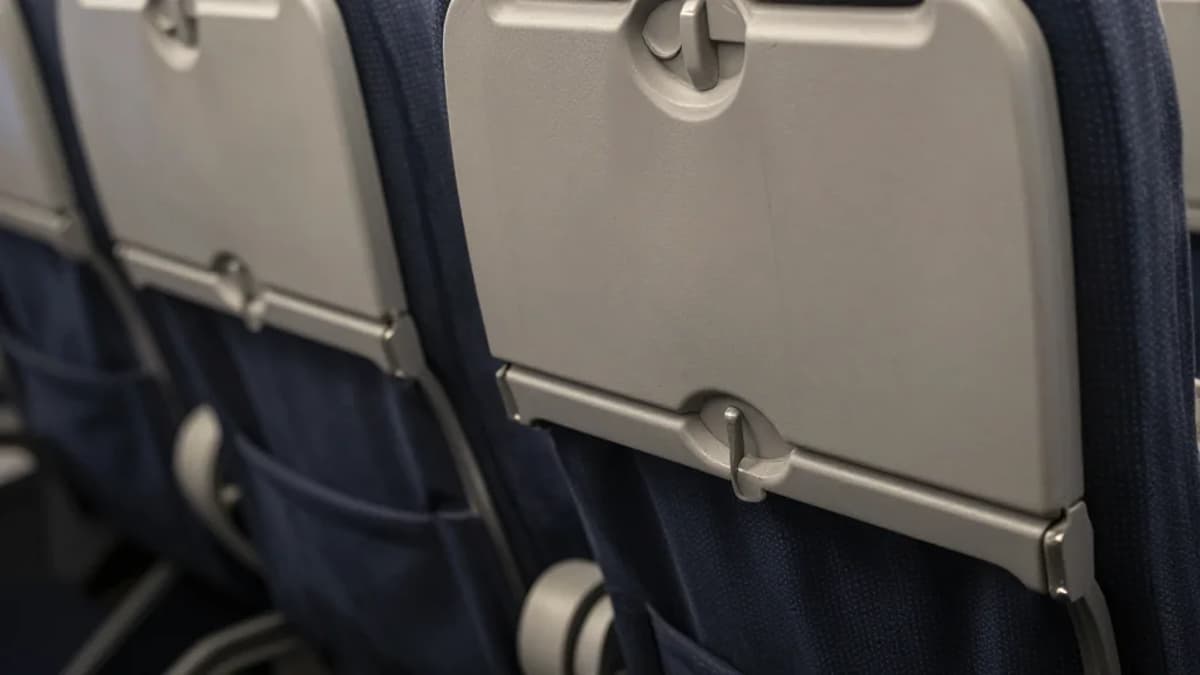
Broken Seats, Broken Armrests And Out Of Order Tray Tables — American Airlines Calls It ‘Product Delivered’
•March 3, 2026
0
Key Takeaways
- •American classifies broken seats as "product delivered"
- •DOT deregulation shields airlines from tort claims
- •Paid infant seat reassigned, refund denied
- •First‑class tray table outage voids meal promise
- •Marketing premium, but service often subpar
Summary
American Airlines is refusing compensation for numerous in‑flight product failures, from broken seats and armrests to out‑of‑order tray tables. The carrier argues that its advertised premium service is fully delivered even when essential amenities are missing. A mother’s paid infant seat was reassigned, and the airline denied a refund, citing that the child still flew. These incidents highlight a broader tension between airline marketing promises and the legal protections afforded to carriers under the Airline Deregulation Act.
Pulse Analysis
Airlines have turned premium cabins into revenue engines, bundling extra legroom, upgraded meals, and exclusive amenities to justify higher fares. Yet the American Airlines cases reveal a disconnect: the carrier markets a "premium experience" while delivering a product that frequently falls short of basic expectations. When seats break, tray tables malfunction, or paid infant seats are reassigned, the airline’s response—labeling the service as fully delivered—highlights a growing consumer‑airline friction that could dampen willingness to pay for ancillary upgrades.
The legal backdrop amplifies this tension. The Airline Deregulation Act, upheld by the Supreme Court, pre‑empts state‑law tort claims, effectively shielding airlines from lawsuits based on a covenant of good faith. This federal preemption means passengers cannot pursue traditional negligence or breach‑of‑contract claims in most states, leaving the Department of Transportation as the primary regulator—an agency that historically refrains from enforcing service‑level standards. Consequently, airlines like American can deny refunds or compensation without violating federal law, even when the delivered product clearly deviates from advertised promises.
For travelers, the practical takeaway is heightened vigilance. Documenting issues, leveraging social media pressure, and filing complaints with the DOT may be the only recourse short of costly litigation. Industry observers suggest that mounting consumer dissatisfaction could spur legislative action to restore some state‑level protections or compel the DOT to adopt stricter enforcement mechanisms. Until such reforms materialize, passengers must weigh the allure of premium pricing against the risk of receiving a subpar product that airlines may legally deem "delivered."
Comments
Want to join the conversation?