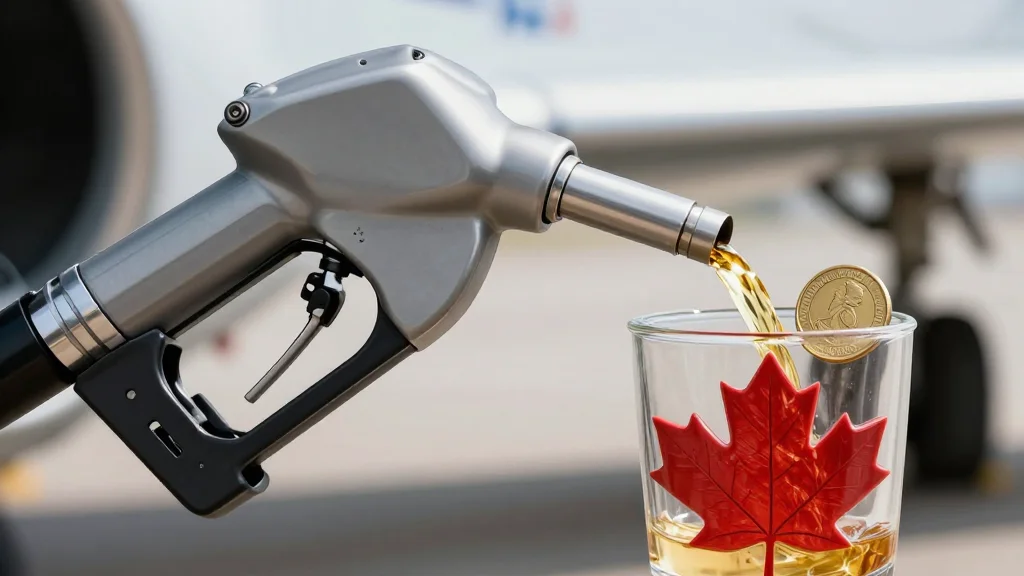
Canada Offers Airlines A Fuel Bailout With Tax Breaks And Subsidized Loans
Key Takeaways
- •Tax suspension saves Air Canada ~C$78 million (US$56 million) annually.
- •Loans up to C$150 million (US$110 million) per airline, four‑year term.
- •Recipients must keep Canadian ops, limit dividends, and cap executive pay.
- •Smaller carriers likely to accept loans; larger airlines have sufficient liquidity.
Pulse Analysis
Canada’s decision to suspend the fuel excise tax comes at a time when jet‑fuel prices, though lower than their 2022 peak, remain volatile. By shaving 4 Canadian cents per litre, the policy directly reduces operating expenses for domestic carriers, translating into tens of millions of dollars in savings for the nation’s largest airline. The move also aligns Canada with other jurisdictions that have offered temporary relief to the aviation sector, signaling a willingness to intervene when market forces threaten essential air services.
The Liquidity for Airline Sector Resilience facility adds a financial cushion for carriers that may still struggle despite the tax break. Up to C$150 million (about US$110 million) per airline can be borrowed at a rate that sits between Canada’s sovereign borrowing cost and commercial airline loan rates, with a four‑year amortization schedule. However, the program imposes strict conditions: borrowers must maintain Canadian operations, limit dividend payouts, adhere to “Buy Canadian” commitments, and accept caps on executive compensation. These covenants aim to ensure public funds support broader economic goals rather than simply enriching shareholders.
For the industry, the combined tax holiday and loan program could stave off short‑term liquidity crunches and protect up to several thousand jobs. Yet the assistance raises questions about fiscal prudence, especially for carriers like Air Canada that already hold C$7.5 billion in liquidity. Smaller airlines, which lack deep balance sheets, are more likely to tap the loans, potentially reshaping competitive dynamics. Politically, the package reflects a balancing act: governments seek to avoid high‑profile airline failures while managing taxpayer exposure, a pattern increasingly common in post‑pandemic aviation policy worldwide.
Canada Offers Airlines A Fuel Bailout With Tax Breaks And Subsidized Loans
Comments
Want to join the conversation?