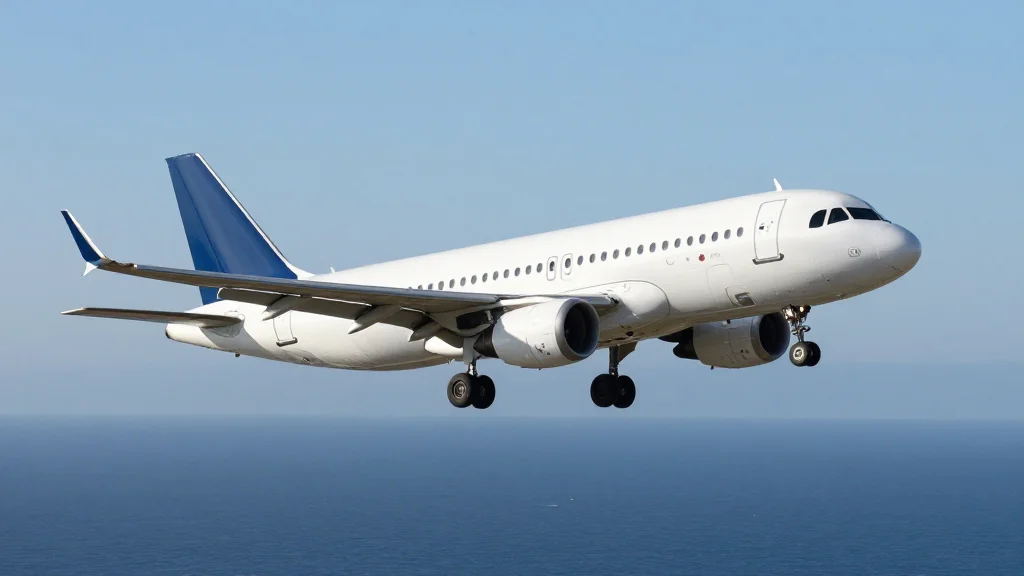
Captain Realizes His Co-Pilot Is Still in Training Only After Packed Airbus A320 Departs For Paris, Plane Makes Unscheduled Return
Key Takeaways
- •Captain discovered trainee co‑pilot after departure, prompting return to Malta
- •Flight KM‑478 turned back near Sicily, avoiding Paris arrival
- •Scheduling error placed unqualified crew on commercial flight
- •KM Malta Air formed in 2024 after €290 million aid denied (~$316 M)
- •Incident underscores need for stricter crew‑qualification checks
Pulse Analysis
The unexpected return of the Malta‑Paris Airbus A320 underscores how tightly regulated crew qualifications are in commercial aviation. A first officer in training must always be paired with a qualified captain or instructor, a rule designed to ensure that any procedural gaps are instantly covered. In this case, the captain lacked the required supervisory credentials, prompting an immediate decision to abort the flight and safeguard passengers. Such protocols, while sometimes inconvenient, are essential to maintaining the safety net that underpins airline operations.
Beyond the cockpit, the mishap points to systemic weaknesses in KM Malta Air’s crew‑scheduling processes. The airline, a state‑owned successor to the defunct Air Malta, was created after the European Union denied a €290 million (~$316 million) state‑aid package. The pressure to launch quickly may have stretched staffing resources, leading to the scheduling oversight that placed an unqualified captain on a revenue‑generating flight. Regulators typically hold airlines accountable for ensuring that crew rosters match certification requirements, and failures can trigger audits, fines, or operational restrictions.
For the broader industry, the incident serves as a cautionary tale about the balance between rapid market entry and operational diligence. Passengers increasingly expect transparency and safety assurances, especially from carriers emerging from public‑funded restructurings. Airlines must invest in robust scheduling software, cross‑check qualifications in real time, and foster a culture where crew members feel empowered to flag discrepancies before takeoff. As European authorities continue to monitor state‑supported airlines, incidents like this could influence future approval processes and reinforce the importance of rigorous crew management across the sector.
Captain Realizes His Co-Pilot is Still in Training Only After Packed Airbus A320 Departs For Paris, Plane Makes Unscheduled Return
Comments
Want to join the conversation?