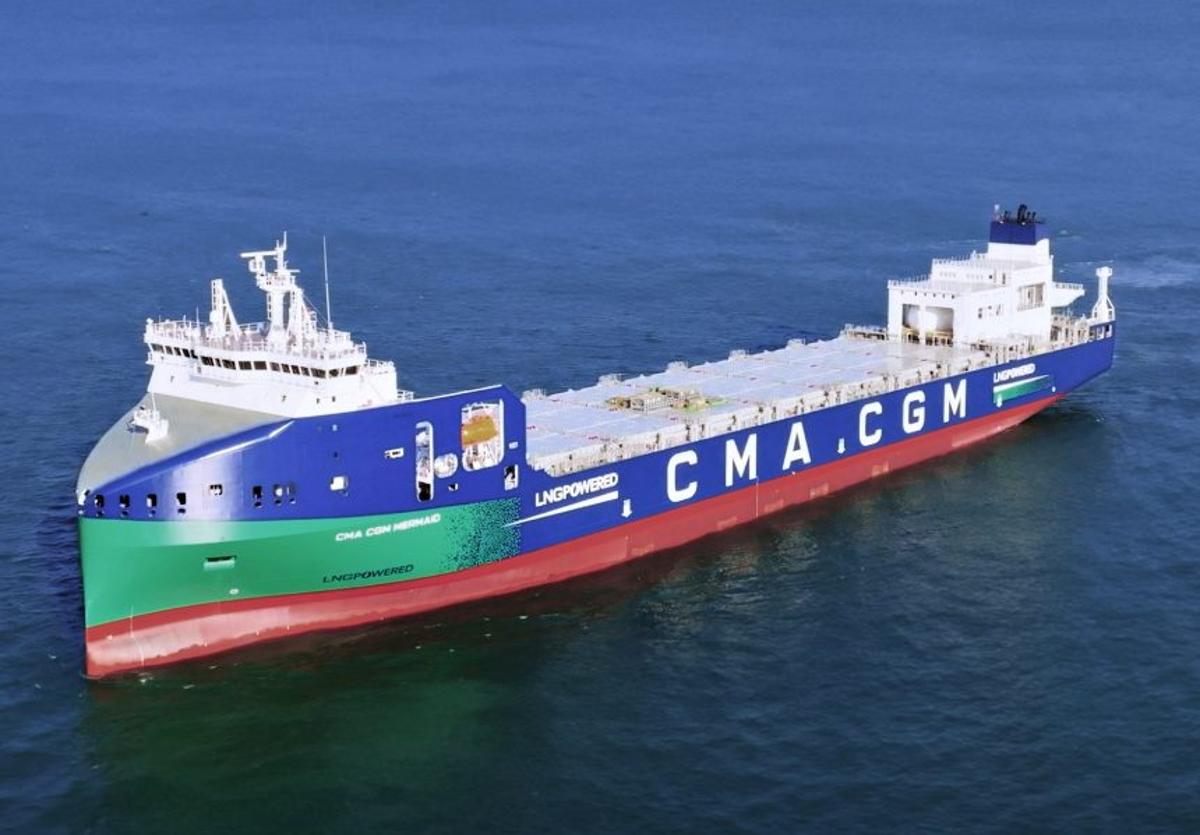
CMA CGM Suspends All Bookings for Key Middle East Ports
•March 3, 2026
0
Key Takeaways
- •CMA CGM halts bookings across Bahrain, Kuwait, Qatar.
- •UAE ports suspended except Fujairah, Khor Fakkan.
- •Saudi ports suspended except Jeddah, King Abdullah, Yanbu, NEOM.
- •Existing cargo handled individually by local offices.
- •Shippers may shift to rival carriers for Gulf routes.
Summary
CMA CGM announced an immediate suspension of all bookings for ports in Bahrain, Kuwait, Qatar, Iraq’s Umm Qasr, and most UAE and Saudi Arabian gateways, citing crew and cargo safety amid ongoing Middle East developments. The halt applies to both ports of loading and discharge and remains in effect until further notice. Exceptions include Fujairah and Khor Fakkan in the UAE and Jeddah, King Abdullah, Yanbu and NEOM in Saudi Arabia. Existing cargo on board will be managed individually by local offices.
Pulse Analysis
The sudden suspension of bookings by CMA CGM reflects a growing trend among global carriers to prioritize crew safety amid escalating geopolitical tensions in the Gulf region. Recent developments, including missile threats and maritime security incidents, have forced operators to reassess route viability and exposure to volatile ports. By halting both ports of loading and discharge, CMA CGM signals a precautionary stance that goes beyond its earlier restriction on hazardous cargo. This move underscores how quickly shipping lines can adapt schedules when risk assessments shift, setting a precedent for industry‑wide contingency planning.
The operational fallout will be felt across supply chains that rely on the Upper Gulf’s fast‑lane connections. With Bahrain, Kuwait and Qatar fully blocked, and only a handful of UAE and Saudi ports remaining open, available container capacity will tighten sharply, likely driving freight rates upward for the short term. Shippers are expected to reroute cargo through alternative hubs such as Jebel Ali, Port Suez, or even Indian Ocean gateways, adding transit time and inventory costs. Local agents’ case‑by‑case communications further complicate planning, prompting customers to seek more predictable services.
From a market perspective, CMA CGM’s suspension creates an opening for rivals such as MSC, Maersk and Hapag‑Lloyd to capture displaced volumes and reinforce their Gulf footprints. The shift may accelerate ongoing consolidation trends, as carriers vie for limited berth slots and negotiate new service contracts with terminal operators. In the longer run, the episode highlights the strategic importance of diversifying trade lanes and investing in resilient logistics networks that can absorb regional shocks. Stakeholders will monitor how quickly the suspension is lifted and whether it prompts broader regulatory or insurance adjustments.
Comments
Want to join the conversation?