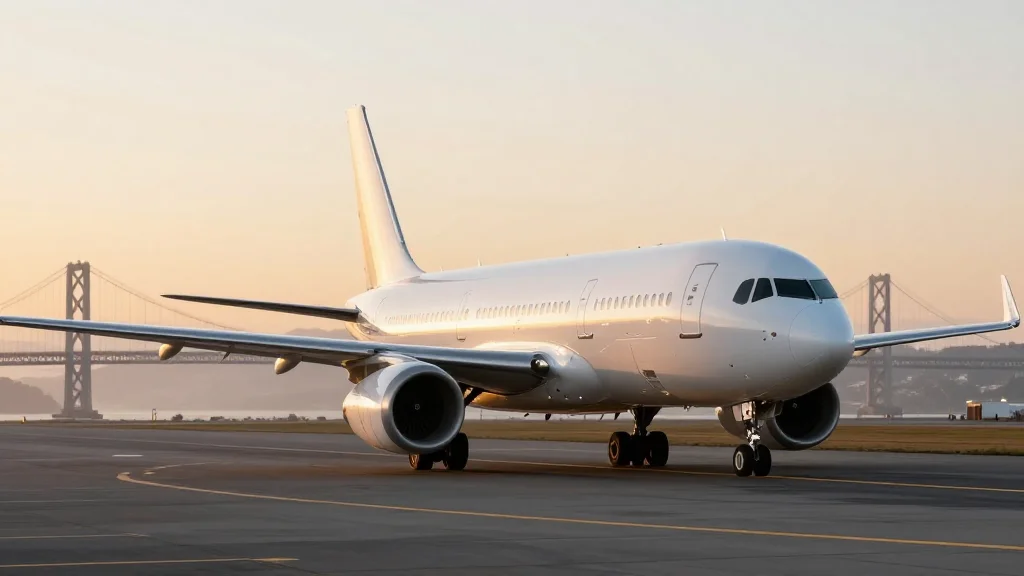
Cranky on the Web: The Brawl By the Bay Is Settled, Talking A220-500

Key Takeaways
- •Oakland can use “Oakland San Francisco Bay International Airport” branding.
- •“San Francisco” must not appear before “Oakland” in the airport name.
- •Settlement does not resolve underlying capacity or airline service issues.
- •Cranky Flier podcast explores possible A220‑500 stretch variant.
- •Analysts question the stretch’s attractiveness to airlines amid narrow‑body competition.
Pulse Analysis
The Bay Area’s two major airports have long vied for identity and market share. Oakland’s recent settlement with San Francisco resolves a legal tug‑of‑war over naming rights, allowing the facility to brand itself as Oakland San Francisco Bay International Airport while prohibiting the reverse order. This compromise aims to preserve Oakland’s local heritage and mitigate passenger confusion, yet it does little to address chronic capacity constraints, airline service gaps, and the broader competition for carriers that favor San Francisco International’s larger catchment area.
Meanwhile, Airbus’s A220‑500 stretch concept has entered the spotlight as airlines search for higher‑capacity, fuel‑efficient narrow‑body options. The Cranky Flier podcast dissected the aircraft’s potential to add roughly 20–30 seats to the standard A220‑300, positioning it between the A220 and the larger A321neo. Proponents argue the stretch could unlock new medium‑haul routes and improve unit economics, while skeptics warn that airlines may prefer proven A321neo variants or await the upcoming A321XLR. The discussion underscores the delicate balance between fleet commonality, operating costs, and market demand in a post‑pandemic recovery.
Both stories converge on a common theme: the relentless pressure on aviation stakeholders to optimize branding, capacity, and aircraft choice. Oakland’s naming settlement may smooth regional marketing but will require strategic airline partnerships to translate into traffic growth. Simultaneously, the A220‑500’s viability will hinge on whether carriers can justify the incremental seats against existing narrow‑body alternatives. For investors and industry watchers, these developments signal that even seemingly peripheral decisions—airport names or stretch variants—can ripple through route economics, passenger experience, and ultimately, the competitive landscape of U.S. air travel.
Cranky on the Web: The Brawl By the Bay is Settled, Talking A220-500
Comments
Want to join the conversation?