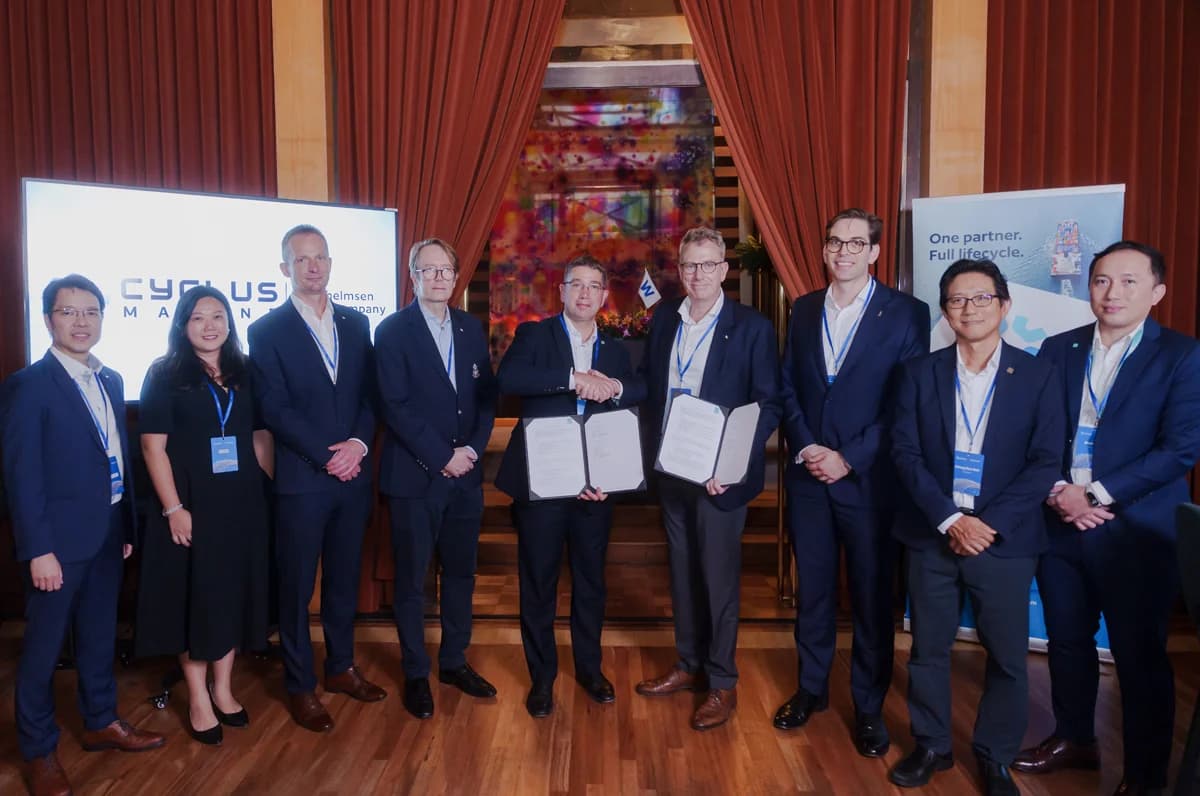
Cyclus Marine and Lloyd’s Register Partner on Responsible Ship Recycling Framework
Key Takeaways
- •MoU launches global framework to assess ship‑recycling facilities
- •Joint audits target safety and compliance gaps in yards
- •Training program upgrades workers’ technical and safety skills
- •Initiative supports shipowners with transparent end‑of‑life decisions
- •Partnership aligns with stricter sustainability regulations and aging fleet pressures
Pulse Analysis
The maritime sector faces a looming surge in decommissioned vessels as the global fleet ages and international emissions caps tighten. Ship recycling, once a low‑visibility activity, now sits at the intersection of environmental stewardship, worker safety, and corporate reputation. Existing yards vary widely in capability; some operate with minimal oversight, leading to hazardous waste releases and injuries. Regulators such as the International Maritime Organization have introduced the Hong Kong Convention, but implementation remains uneven, prompting owners to seek reliable third‑party assurance for end‑of‑life decisions.
Cyclus Marine, a specialist in ship‑lifecycle management, brings a data‑driven platform that tracks vessels from construction through scrappage. Lloyd’s Register contributes decades of classification expertise and a globally recognised technical assurance framework. Their memorandum of understanding outlines four pillars: a universal yard assessment methodology, systematic audit protocols, a certified training curriculum for yard workers, and an industry‑wide advocacy programme for responsible recycling. By standardising metrics and publishing audit results, the alliance aims to reduce information asymmetry, enabling shipowners to compare facilities on safety, environmental performance, and cost efficiency.
The collaboration arrives as investors and insurers increasingly scrutinise ESG credentials across the supply chain. A transparent recycling framework can lower liability exposure and unlock financing for vessels slated for demolition. Moreover, consistent standards may encourage the development of green yards equipped with advanced waste‑capture technologies, fostering a market shift toward circular maritime economics. If adopted widely, the Cyclus‑Lloyd’s Register model could become the de‑facto benchmark, prompting other classification societies and technology firms to launch similar initiatives, ultimately raising the bar for global ship‑breaking practices.
Cyclus Marine and Lloyd’s Register partner on responsible ship recycling framework
Comments
Want to join the conversation?